Some carpet brands chase trends; others have spent more than a century earning a reputation. Couristan carpet falls firmly in the second group, a heritage name known for woven area rugs, indoor-outdoor collections, and broadloom that leans toward classic patterns and dense construction. If you are weighing this brand for a living room, stair runner, or covered patio, what matters is understanding the fibers, the construction methods, and which of their collections fits your room and your budget.
A Heritage Brand With a Specific Niche
Couristan has been around since the early 20th century and built its name on power-loomed and woven rugs rather than wall-to-wall builder-grade carpet. That focus shows in the product line. You will find detailed Oriental and traditional patterns, flatweaves, sisal looks, and weather-resistant outdoor designs more often than plain plush in 40 neutral shades. The brand sits in the mid to upper-mid price tier, competing on pattern quality and durability rather than rock-bottom cost.
Fiber Types You Will Encounter
The fiber decides how a carpet feels, wears, and cleans. Couristan uses several, and the right one depends on where the rug will live.
- Wool: their premium woven rugs use natural wool, prized for resilience, soft hand, and natural stain resistance from the lanolin in the fiber
- Polypropylene (olefin): the workhorse of indoor-outdoor collections, fade-resistant and able to shrug off moisture
- Courtron polypropylene: the brand’s proprietary fiber engineered for the outdoor and high-traffic lines
- Triexta and nylon blends: used in some softer indoor collections for stain resistance and bounce-back
For a covered porch or sunroom, the polypropylene and Courtron lines make sense because they resist fading and dry quickly. For a formal living room you want underfoot for decades, wool is worth the premium.
Popular Collections
The catalog is broad, but a few collections come up again and again when homeowners shop the brand.
Indoor-Outdoor and Patio Lines
These flatwoven, UV-stabilized designs handle a covered deck, three-season room, or high-moisture entryway. They hose clean and dry fast, which is exactly what an outdoor rug needs to survive a wet season.
Traditional and Oriental Collections
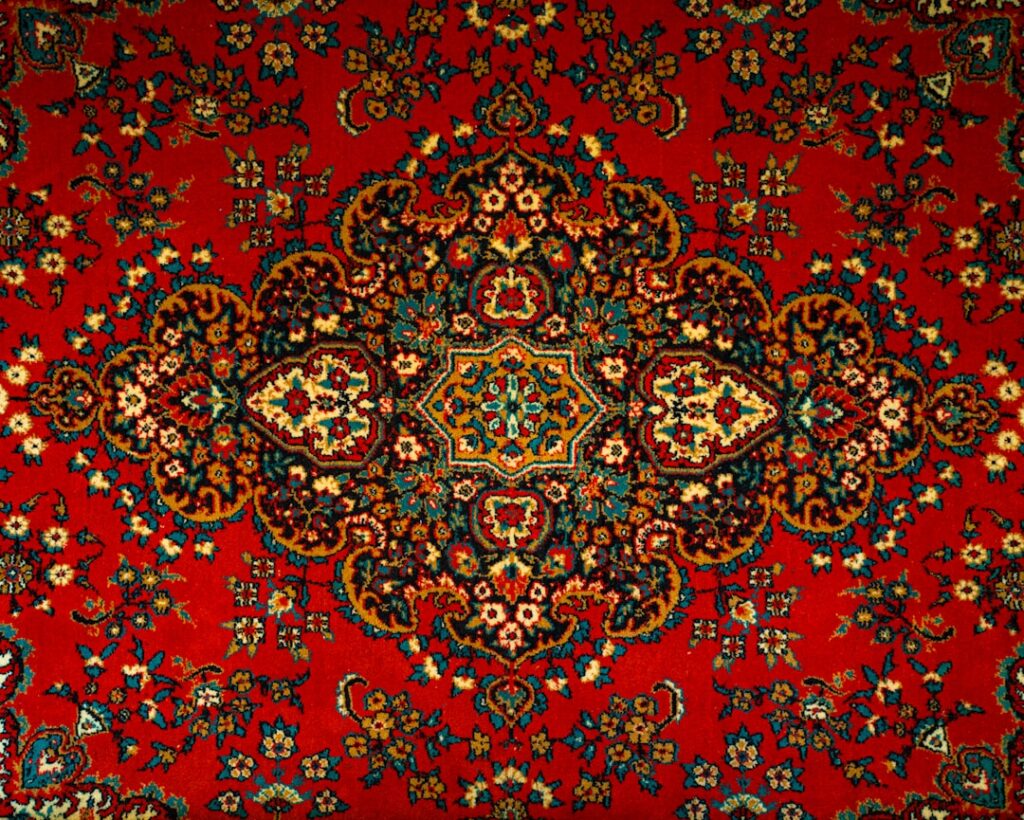
Power-loomed reproductions of classic Persian and Oriental patterns, these aim for the look of an antique rug at a fraction of a hand-knotted price. Dense pile and intricate borders define the line.
Natural and Sisal-Look Collections
For a coastal or organic-modern room, the natural-fiber and sisal-look weaves bring texture without the maintenance headaches of real sisal, which stains easily and cannot handle moisture.
Construction and Durability
Carpet longevity comes down to density and fiber, not marketing. Couristan’s woven rugs tend toward tighter constructions than tufted budget rugs, meaning the loops or pile sit closer together and resist crushing in traffic lanes. When comparing two rugs, fold a corner back; the less backing you see between the tufts, the denser and longer-lasting the rug.
For broadloom and runners, check the face weight if it is listed. A higher face weight, measured in ounces per square yard, generally signals more fiber and better wear, though fiber type matters too. A dense wool runner on a busy staircase will outlast a thin polyester one by years.
Choosing the Right Size and Placement
Even a beautiful rug looks wrong at the wrong size. In a living room, aim to get at least the front legs of all major furniture onto the rug, which usually means an 8-by-10 or 9-by-12 in an average room. For a dining room, the rug should extend 24 to 30 inches beyond the table edge on all sides so chairs stay on it when pulled out. Stair runners typically need a width that leaves 3 to 4 inches of stair tread showing on each side.
Cleaning and Care
Care depends entirely on fiber, so check the label before you reach for any cleaner. General guidelines hold across the line:
- Vacuum regularly to lift grit before it grinds at the fibers and dulls them
- Blot spills immediately with a clean white cloth rather than rubbing, which spreads stains
- Use a rug pad underneath to prevent slipping, reduce wear, and add cushion
- Rotate the rug every six months so sun fading and foot traffic wear evenly
- Wool rugs should avoid harsh alkaline cleaners; stick to wool-safe products or professional cleaning
Indoor-outdoor polypropylene rugs are the easy ones; many can be taken outside, hosed down, scrubbed with mild soap, and laid flat to dry in the sun.
Is It Right for Your Home?
Couristan makes sense if you want pattern, woven construction, and a brand with a long track record, and you are willing to pay a bit more than the cheapest big-box options. The indoor-outdoor lines are a strong pick for covered patios and high-traffic entries, while the wool and traditional collections suit formal rooms meant to last. If you only need a temporary, disposable rug for a rental, a lower-cost brand may serve better. But for a piece you want underfoot for many years, the heritage construction earns its keep.
Comparing to Other Rug Brands
It helps to know where this brand sits relative to the alternatives on the market. Against bargain big-box rugs, the heritage lines offer denser construction, better pattern definition, and longer wear, at a higher price. Against true hand-knotted wool rugs and high-end designer pieces, the power-loomed offerings cost far less while delivering a similar look from a few feet away, trading the heirloom investment value of a hand-knotted rug for accessibility.
The sweet spot is the buyer who wants something better than disposable, with real pattern and durability, but who is not ready to spend thousands on a single hand-knotted piece. The indoor-outdoor collections in particular fill a niche that many premium brands ignore, giving you weather-resistant rugs that still look intentional rather than purely utilitarian.
What to Check Before You Buy
A short checklist saves you from a rug that looks great online but disappoints in person. Run through these points before ordering.
- Fiber: confirm whether it is wool, polypropylene, or a blend, and match it to the room’s moisture and traffic
- Indoor vs. outdoor rating: only weather-rated lines belong on a covered patio or in a damp entry
- Size: measure your space and the furniture footprint before choosing dimensions
- Pile height and density: denser, tighter construction wears better in traffic lanes
- Care requirements: wool needs gentler cleaning than synthetic, so factor that in
Match the fiber to the room, get the size right, and add a quality pad underneath. Do that, and a well-chosen rug from this line will anchor a space and hold up to daily life for a long time.