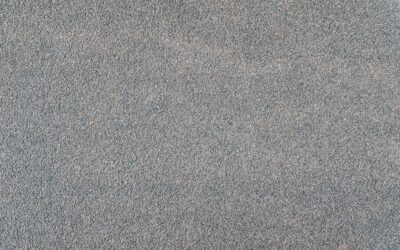
Most homeowners never think about the carpet under their feet at the airport, the office, or the school hallway. That floor takes thousands of footsteps a day and still looks fine years later. That product is industrial carpet, and a growing number of homeowners are bringing it into basements, home gyms, mudrooms, and rental units precisely because it shrugs off abuse that would destroy a plush residential carpet in a season. It is not glamorous, but for the right room it is one of the smartest flooring decisions you can make.
What Industrial Carpet Actually Is
Industrial carpet, sometimes called commercial or contract carpet, is engineered for heavy foot traffic rather than barefoot comfort. The fibers are densely packed, the pile is short and tightly looped, and the construction prioritizes wear resistance over softness. You give up the cloud-like feel of a residential plush, but you gain a surface that resists crushing, matting, and staining for a decade or more.
Two things separate it from the carpet in a typical living room. First, the face weight and density are far higher, meaning more fiber per square yard. Second, the backing is reinforced, often with a moisture-resistant or antimicrobial layer that holds up to spills, rolling chairs, and the occasional flood.
Common Types You Will Encounter
Not all commercial carpet is the same. When you start shopping, you will run into a few distinct categories, each suited to different rooms and budgets.
- Loop pile (Berber-style): Uncut loops create a flat, dense surface that hides footprints and resists crushing. Ideal for basements and hallways.
- Cut pile commercial: A slightly softer feel with cut fiber tips, used where comfort matters a bit more, like a finished home office.
- Carpet tiles: 18-by-18-inch or 24-by-24-inch squares that you install piece by piece. If one tile gets ruined, you swap a single square instead of replacing the room.
- Broadloom: Traditional roll carpet, 12 feet wide, for large continuous areas with fewer seams.
For DIY-minded homeowners, carpet tiles are usually the best starting point. They require no stretching tools, most have peel-and-stick or pressure-sensitive backing, and a single person can carpet a 200-square-foot basement in an afternoon.
Fiber Choices and Why They Matter
The fiber determines how the carpet performs over its life. Nylon is the gold standard for durability and resilience, bouncing back from compression better than anything else, and it is what you will find in most premium contract carpet. Olefin (polypropylene) costs less and resists moisture and fading, which makes it popular for basements and outdoor-adjacent spaces, though it crushes more easily under heavy furniture.
Solution-dyed fibers, where color is added during manufacturing rather than after, hold up to bleach and harsh cleaners without losing their color. If you are carpeting a space that will see real cleaning chemicals, like a home gym or a pet area, prioritize solution-dyed olefin or nylon.
Cost: What to Budget
One of the biggest draws of industrial carpet is the price relative to its lifespan. Expect material costs in these ranges:
- Basic olefin loop: $1.50 to $3 per square foot
- Mid-grade nylon commercial: $3 to $5 per square foot
- Premium nylon carpet tiles: $4 to $7 per square foot
- Professional installation: $1 to $2 per square foot on top of materials
For a 400-square-foot basement, you might spend $600 to $1,400 in materials. Because most homeowners install carpet tiles themselves, you can often keep the whole project under $1,000 and still walk away with a floor rated to last 10 to 15 years.
Where It Makes Sense in a Home
Industrial carpet earns its keep in rooms where residential carpet fails. Basements top the list because the moisture-resistant backing and low pile resist mildew and trapped humidity. Home gyms benefit from the firm, stable surface that stands up to dropped weights and rolling equipment. Mudrooms, laundry rooms, playrooms, and home offices with rolling chairs are all strong candidates.
It is less appropriate for bedrooms and formal living rooms, where you actually want softness underfoot. Nobody wants to sink their bare toes into a stiff commercial loop first thing in the morning. Match the product to the room.
Installation Tips From the Field
If you go the tile route, prep matters more than anything. The subfloor must be clean, dry, and flat. Sweep and vacuum thoroughly, then check for moisture if you are over concrete by taping a 2-foot square of plastic to the floor overnight; condensation underneath means you need a sealer first.
Start your layout from the center of the room, not a wall, so your border tiles are symmetrical. Dry-lay a full row in both directions before peeling any adhesive. For broadloom installs, a power stretcher and knee kicker are non-negotiable, and that job is usually worth hiring out. Use a sharp utility knife with fresh blades for clean cuts, and change the blade often since carpet backing dulls steel fast.
Maintenance and Lifespan
This is where industrial carpet shines. Vacuum once or twice a week with a beater bar set high enough not to snag the loops. For spills, blot immediately rather than rubbing. A wet-dry vacuum handles bigger messes, and most commercial carpet tolerates a deep extraction cleaning once or twice a year.
Because individual tiles can be replaced, a damaged area never means a full re-carpet. Buy 10 percent extra at install and store the spares flat. With basic care, a quality nylon commercial carpet will outlast two or three residential carpets, which is exactly why builders and facility managers have trusted it for decades and why it deserves a spot in your home.
Pad or No Pad?
One question trips up nearly everyone making the switch from residential carpet: do you need padding underneath? With commercial broadloom, the answer is usually no. Most contract carpet is a “direct glue-down” product designed to bond straight to the subfloor with no pad at all. The dense construction provides its own structure, and a pad would actually allow too much movement, leading to ripples and premature wear.
Carpet tiles are the same story. They are engineered with a stiff backing that sits flat without cushioning. If comfort underfoot is a priority, look for tiles with an attached cushion backing rather than adding a separate pad, which can cause tiles to shift. Skipping the pad also keeps the floor lower, which matters at doorways and transitions to other flooring.
Choosing a Color and Pattern
Commercial carpet is sold in a huge range of colors and patterns, and the smart move is to use that variety to your advantage. Mid-tone grays, browns, and flecked multicolor patterns hide dirt and traffic patterns far better than solid light colors. A speckled or “tweed” pattern is forgiving in a busy basement or playroom because it disguises the inevitable spills and stains.
Carpet tiles open up design options a roll never could. Mix two complementary colors in a checkerboard, run a contrasting border around the room, or lay a stripe to define a walkway. Because you are working with squares, these effects require no special skill, just a little planning before you peel and stick. Order an extra box of each color so future repairs blend in seamlessly.