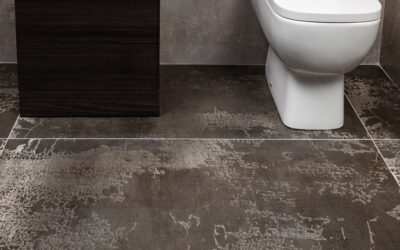
Industrial tile captures the raw, utilitarian appeal of concrete floors, weathered metal, and factory-warehouse surfaces while offering the durability and easy maintenance of modern porcelain. Whether you are chasing an urban loft aesthetic or simply want a floor that shrugs off heavy use, industrial-look tile delivers character that softer materials cannot. This guide covers the types available, where to use them, realistic costs, and how to get the look right.
Part of our Tile & Grout guide — explore the full guide →
- What Counts as Industrial Tile
- Popular Types of Industrial Tile
- Where Industrial Tile Works Best
- Durability and Performance
- Industrial Tile Costs
- Design Tips for a Balanced Industrial Look
- Installation Considerations
- Is Industrial Tile Right for Your Home?
- Maintenance and Cleaning
- Comparing Industrial Tile to Real Concrete
What Counts as Industrial Tile
The term covers any tile designed to mimic the surfaces of industrial and commercial spaces rather than a single product. That includes concrete-look porcelain, metal-effect tiles, oxidized and rust-finish designs, terrazzo, and large-format cement-look slabs. The common thread is a raw, understated, often monochromatic surface that reads as functional and unfussy.
Most industrial tile sold for homes today is actually porcelain printed and textured to imitate these materials. That is a feature, not a compromise: you get the gritty concrete or aged-metal look without the cracking, staining, cold, and constant sealing that real concrete floors require.
Popular Types of Industrial Tile
Understanding the main categories helps you match the tile to your space and style.
- Concrete-look porcelain: The most popular option, replicating smooth or troweled cement in grays, taupes, and charcoals. Available in large formats up to 24-by-48 inches for minimal grout lines.
- Metal-effect tile: Mimics brushed steel, corten rust, or oxidized copper. Great as an accent wall or backsplash rather than a whole floor.
- Terrazzo: Speckled composite look that adds subtle color and pattern while keeping the industrial-modern vibe.
- Cement encaustic: Patterned geometric tiles that pair raw texture with graphic design, popular in entryways and powder rooms.
- Brick-look tile: Thin porcelain or clay tiles that recreate exposed factory brick walls.
Where Industrial Tile Works Best
Concrete-look porcelain is a natural fit for open-plan living areas, kitchens, entryways, and mudrooms where its neutral tone and toughness shine. Because porcelain is waterproof and stain-resistant, it also performs well in bathrooms and laundry rooms, unlike real concrete that needs sealing.
Metal-effect and brick-look tiles are best used as accents. A brushed-steel backsplash or a corten-rust feature wall adds industrial edge without making the whole room feel cold. For commercial-grade durability in a home workshop, garage, or basement, choose a through-body porcelain rated for heavy traffic and freeze-thaw cycles.
Durability and Performance
Industrial tile is built to take abuse, which is precisely its appeal. Porcelain rated with a PEI score of 4 or 5 handles heavy residential and even light commercial traffic, resisting scratches, dents, and chips far better than vinyl or laminate. It will not fade in sunlight, absorb spills, or harbor odors.
For wet or outdoor areas, check the slip-resistance rating; a DCOF of 0.42 or higher is recommended for floors that get wet. Frost-rated tiles can extend the industrial look to covered patios and garage floors. Because porcelain is dense and non-porous, it requires no sealing, unlike genuine concrete or cement tile, which must be sealed and periodically resealed.
Industrial Tile Costs
Pricing spans a wide range depending on material and format:
- Concrete-look porcelain: $3 to $10 per square foot for standard lines, $10 to $18 for large-format designer slabs.
- Metal-effect tile: $8 to $20 per square foot, often sold in smaller quantities as accents.
- Terrazzo-look porcelain: $5 to $15 per square foot.
- Genuine cement encaustic: $10 to $25 per square foot, plus sealing costs.
- Professional installation: $8 to $15 per square foot, higher for large-format tiles that require a flatter substrate and careful leveling.
A 300-square-foot living area in mid-grade concrete-look porcelain, professionally installed, typically runs $3,300 to $7,500. Buy 10 to 15 percent extra for cuts and future repairs, since matching dye lots later is difficult.
Design Tips for a Balanced Industrial Look
The risk with industrial style is that it can feel cold or unfinished, so balance is everything. Warm up gray concrete floors with wood furniture, leather, woven textiles, and plenty of greenery. Layer in soft rugs to break up large expanses of hard surface and add acoustic comfort.
Large-format tiles with minimal, color-matched grout lines produce the seamless, poured-concrete illusion that defines the modern industrial aesthetic. Contrasting grout, by comparison, emphasizes the grid and reads more traditional. Pair the flooring with matte black fixtures, exposed Edison-style lighting, and metal shelving to complete the loft-inspired feel without overdoing it.
Installation Considerations
Large-format industrial tiles demand a very flat substrate; even minor dips cause lippage where tile edges sit unevenly. Professionals often apply self-leveling underlayment and use leveling clips to guarantee a smooth plane. This is one area where hiring an experienced installer usually pays off.
Because porcelain is hard and dense, cutting it requires a wet saw with a diamond blade, not a snap cutter, especially for the large slabs. Plan the layout to keep full tiles in the most visible areas and cuts along the edges. Proper thinset coverage under big tiles is critical to prevent hollow spots that can crack under load.
Is Industrial Tile Right for Your Home?
Industrial tile suits homeowners who want a modern, low-maintenance, extremely durable surface with an urban edge. It is ideal for active households, open-concept spaces, and anyone drawn to the loft aesthetic but unwilling to deal with real concrete’s cracking and sealing headaches.
If you prefer warm, traditional interiors or crave the softness of carpet and wood underfoot, industrial tile may feel too stark. But paired thoughtfully with warm textures and good lighting, it creates a striking, timeless space that stands up to daily life for decades with almost no upkeep.
Maintenance and Cleaning
One of the biggest advantages of industrial-look porcelain is how little it asks of you. Because the surface is non-porous and requires no sealing, routine care amounts to sweeping or vacuuming grit and mopping with a pH-neutral cleaner. Avoid oil-based or wax cleaners that leave a film and dull the matte finish that gives concrete-look tile its character.
Grout lines are the only real maintenance concern, since they can trap dirt and show wear over time. Sealing cement grout after installation and using a stain-resistant epoxy grout in high-traffic zones keeps the joints looking sharp. For genuine cement or encaustic tile, follow the manufacturer’s sealing schedule, typically an initial seal plus resealing every one to three years depending on traffic and exposure.
Comparing Industrial Tile to Real Concrete
Homeowners drawn to the look often weigh porcelain against polishing or pouring an actual concrete floor. Real concrete offers unmatched authenticity and seamlessness, but it cracks over time, feels cold underfoot, stains easily, and demands regular sealing to stay presentable. Installing or grinding concrete is also messy, heavy work that limits where it can go in an existing home.
Industrial porcelain sidesteps nearly all of those drawbacks. It resists cracking and staining, installs over most subfloors, works with radiant heat for warmth, and comes in consistent formats with predictable results. For the vast majority of homeowners, concrete-look porcelain delivers the aesthetic they want with a fraction of the risk and upkeep, which is exactly why it has become the default choice for achieving an industrial interior.
Prefer to explore on your own?
See how new flooring looks in your actual room in seconds — free, no signup.
Try the free Floor Studio →