The living room is where life happens — movie nights, conversations with friends, lazy Sunday mornings with coffee. A cozy living room invites you to sit down, relax, and stay awhile. But creating that warm, welcoming atmosphere requires more than just tossing a blanket on the couch.
In this guide, we break down every design element that contributes to living room coziness, from the flooring beneath your feet to the lighting overhead. Whether you are working with a spacious family room or a compact apartment living area, these ideas will help you build a space that feels like a warm embrace.
- Key Elements of a Cozy Living Room
- Flooring That Feels Warm
- Furniture Layout for Coziness
- Color Schemes That Warm a Room
- Layered Lighting for Ambiance
- Textiles & Soft Furnishings
- Fireplace & Alternative Heat Sources
- Walls & Decor
- Natural Elements & Greenery
- Cozy Ideas for Small Living Rooms
- Seasonal Refresh Ideas
- Budget-Friendly Cozy Upgrades
- Frequently Asked Questions
Key Elements of a Cozy Living Room
Coziness is not a single design choice — it is the cumulative effect of many elements working together. Research in environmental psychology identifies five key factors that make a space feel cozy.
- Warmth: Both literal (temperature) and visual (warm tones, natural materials).
- Softness: Touchable textures that invite physical contact — plush fabrics, cushions, and rugs.
- Intimacy: A sense of enclosure and proportion that makes the space feel personal rather than vast.
- Personalization: Items that reflect your life, memories, and tastes.
- Gentle light: Warm, diffused lighting rather than harsh overhead fluorescents.
Every recommendation in this guide targets one or more of these five factors. You do not need to implement every idea — even a few changes can dramatically transform how your living room feels.
Flooring That Feels Warm
The floor is the largest horizontal surface in the room and sets the foundation for your entire design. Cold, hard floors undermine coziness no matter how well you decorate the rest of the space.
| Flooring Type | Warmth Underfoot | Coziness Factor | Best Pairing |
|---|---|---|---|
| Hardwood (oak, walnut) | Moderate | High with area rug | Plush area rug, layered textures |
| Engineered oak | Moderate | High with area rug | Same warmth as solid at lower cost |
| Carpet (wall-to-wall) | Very warm | Excellent | No additional rug needed |
| Luxury vinyl plank | Cool to moderate | Good with area rug | Thick area rug adds needed warmth |
| Cork | Warm | Very good | Naturally insulating and soft |
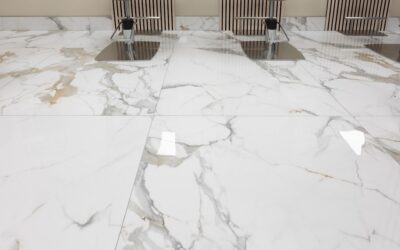
| Tile | Cold | Low without radiant heat | Radiant floor heating + large rug |
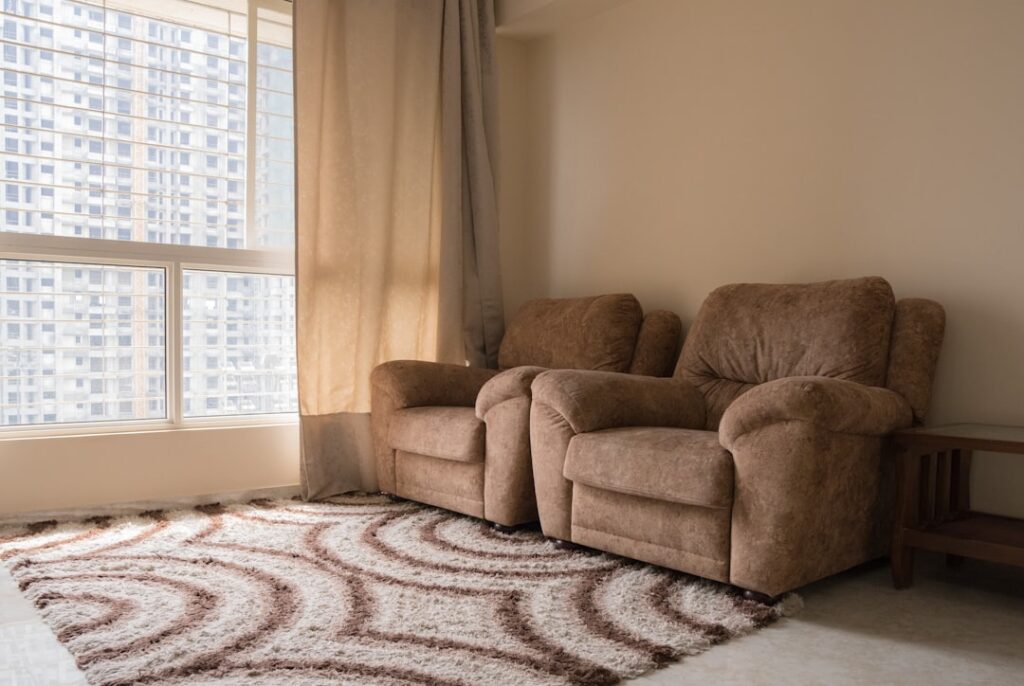
For most living rooms, hardwood or engineered oak flooring paired with a large, plush area rug delivers the ideal balance of warmth, beauty, and practicality. The rug should be large enough for all front furniture legs to sit on it, creating a cohesive, grounded seating area.
Maintaining your floors keeps the whole room feeling fresh. Check our guide to the best hardwood floor cleaner for products that protect your investment without leaving residue.
Furniture Layout for Coziness
How you arrange furniture matters more than what furniture you own. A cozy layout brings seating together and creates an intimate conversation area.
Layout Principles
- Pull furniture away from the walls. Floating seating toward the center of the room creates a more intimate grouping, even in large rooms.
- Create a focal point. Arrange seating around a fireplace, TV, or large window. Every cozy room needs a visual anchor.
- Keep conversation distance under 8 feet. If seats are too far apart, the room feels disconnected. Rearrange until everyone can chat comfortably without raising their voices.
- Use an L-shape or U-shape layout. A sofa and loveseat in an L-shape, or a sectional in a U-shape, wraps around the focal point and creates a sense of enclosure.
- Add a round coffee table or ottoman. Rounded shapes feel friendlier than sharp rectangles and improve traffic flow.
Cozy Furniture Essentials
- Oversized sofa or sectional: Deep seats and soft cushions invite you to sink in and stay.
- Accent chair with a throw: A reading chair in a corner with a lamp and blanket creates a personal nook within the larger room.
- Upholstered ottoman: Doubles as a footrest, extra seating, and coffee table with a tray on top.
- Bookcases: Filled bookshelves add warmth, color, and personality. They also help absorb sound, making the room feel quieter and more intimate.
Color Schemes That Warm a Room
Color has an immediate emotional impact. Warm tones make a room feel smaller, closer, and more inviting, while cool tones push walls back and create distance.
| Color Palette | Wall Color | Accents | Mood |
|---|---|---|---|
| Warm Neutral | Creamy white, warm greige | Camel, rust, chocolate | Classic, universally warm |
| Earth Tones | Terracotta, warm clay | Forest green, gold, cream | Organic, grounded |
| Moody & Dark | Deep navy, charcoal, forest green | Brass, amber, burnt orange | Dramatic, cocooning |
| Soft Warmth | Blush, dusty rose, soft peach | Warm gray, cream, gold | Gentle, romantic |
| Scandinavian Warm | Off-white, pale linen | Natural wood, oatmeal, sage | Calm, minimalist warmth |
Dark wall colors are one of the most effective ways to make a large living room feel cozier. A room painted in deep charcoal or navy blue feels dramatically more intimate than the same room in bright white. For tips on making light color palettes feel warm, check our guide to white kitchen ideas, where the same design principles apply.
Layered Lighting for Ambiance
Lighting makes or breaks coziness. A single overhead fixture creates flat, harsh illumination that feels institutional. Layered lighting creates pools of warm light that draw you in.
The Three Layers
- Ambient: Overall room lighting from a dimmable overhead fixture, recessed lights, or a central pendant. Keep it soft and adjustable.
- Task: Reading lamps beside armchairs, floor lamps next to the sofa. These serve practical needs while adding warmth.
- Accent: Table lamps, candles, string lights, LED strip lighting behind shelves or under cabinets. These create the magical glow that defines a cozy space.
Lighting Tips for Maximum Coziness
- Use bulbs in the 2700K color temperature range (warm white). Avoid anything above 3500K.
- Install dimmer switches on every overhead fixture. This single upgrade transforms a room’s ambiance.
- Aim for 3 to 5 light sources in a living room. More sources at lower intensity feel warmer than one bright source.
- Candles (real or LED) add flickering warmth that no other light source can replicate.
- Consider the visual relationship between your ceiling height and lighting. Our standard ceiling height guide helps you choose fixture types that suit your room proportions.
Textiles & Soft Furnishings
Textiles are the secret weapon of cozy design. They add softness, warmth, and visual texture that hard surfaces cannot provide.
Essential Cozy Living Room Textiles
- Throw blankets: Drape at least two throws across the sofa and armchair. Chunky knit, faux fur, and waffle-weave cotton are excellent choices.
- Decorative pillows: Mix sizes (18″, 20″, 22″) and textures (velvet, linen, knit, faux fur). Odd numbers look more natural — aim for 3 to 5 pillows per sofa.
- Area rug: A thick, high-pile rug anchors the seating area and adds warmth underfoot. Wool, shag, and deep-pile synthetics work best.
- Curtains: Full-length drapes in a heavy fabric like velvet, linen, or blackout cotton frame windows and insulate against drafts. Hang them as close to the ceiling as possible for maximum impact.
- Poufs & floor cushions: Extra seating that doubles as casual, relaxed lounging spots.
Fireplace & Alternative Heat Sources
Nothing says cozy like a fire. If you have a fireplace, make it the centerpiece of your living room design.
Fireplace Options
- Wood-burning fireplace: The most atmospheric option with real flames, crackling sounds, and the scent of burning wood. Requires a functioning chimney flue and regular maintenance.
- Gas fireplace insert: Convenient push-button operation with realistic flames. No ash cleanup and more heat efficient than wood burning.
- Electric fireplace: No venting required. Modern electric fireplaces produce convincing flame effects and supplemental heat. Available as inserts, wall-mounted, or freestanding units.
- Bioethanol fireplace: Uses clean-burning ethanol fuel. No chimney or venting needed. Produces real flames with minimal heat output — primarily decorative.
No Fireplace? Try These Alternatives
- A cluster of pillar candles on a large tray creates a fireplace-like glow.
- A TV fireplace screensaver or streaming fireplace video provides visual warmth.
- A space heater with a ceramic or infrared element adds physical warmth to a cozy corner.
- String lights behind or inside an unused fireplace opening create a magical effect.
Walls & Decor
Bare walls feel cold and unfinished. Thoughtful wall treatments and decor add personality and visual warmth.
- Gallery wall: A curated collection of family photos, art prints, and travel memories in coordinating frames tells your story.
- Wood accent wall: Shiplap, reclaimed wood planks, or wood slat panels add natural texture and warmth behind the sofa or fireplace.
- Built-in bookshelves: Filled with books, plants, and personal objects, built-ins add warmth and reduce echo in a room.
- Woven wall art: Macrame, tapestries, and textile art add bohemian warmth and soften hard walls.
- Mirrors: A large mirror opposite a window reflects natural light deeper into the room, amplifying warmth without adding fixtures.
Natural Elements & Greenery
Bringing nature indoors is one of the most effective ways to make a space feel alive and welcoming. Studies consistently show that indoor plants reduce stress and improve mood.
- Large statement plant: A fiddle leaf fig, monstera, or rubber plant in a woven basket adds life and height to a corner.
- Trailing plants on shelves: Pothos, string of pearls, and philodendrons add cascading greenery that softens hard edges.
- Natural wood accents: Wooden bowls, trays, cutting boards displayed as decor, and driftwood pieces add organic warmth.
- Natural fiber elements: Jute rugs, rattan baskets, linen curtains, and cotton throws connect the space to the natural world.
- Fresh or dried flowers: A simple vase of eucalyptus or dried pampas grass adds a finishing touch of organic beauty.
Cozy Ideas for Small Living Rooms
Small living rooms have a built-in advantage for coziness — the compact scale naturally feels intimate. The challenge is making them feel snug without feeling cramped.
| Strategy | Why It Works | How to Implement |
|---|---|---|
| Limit the color palette | Reduces visual chaos | Choose 2-3 colors and repeat throughout |
| Scale furniture down | Prevents overcrowding | Choose apartment-sized pieces with slim profiles |
| Use vertical space | Draws the eye up | Tall bookshelves, floor-to-ceiling curtains |
| One large rug instead of multiple small ones | Unifies the space | Choose a rug that fits under all seating |
| Multifunctional furniture | Reduces clutter | Storage ottomans, nesting tables, sofa beds |
| Fewer, larger art pieces | Feels intentional, not cluttered | One large piece instead of many small ones |
If your small living room needs a TV but lacks wall space, consider a ceiling TV mount to free up the wall and floor area for other design elements.
Seasonal Refresh Ideas
Swapping a few key elements each season keeps your living room feeling fresh and appropriately cozy for the weather outside.
| Season | Textile Swaps | Decor Updates | Scent |
|---|---|---|---|
| Spring | Lighter throws, cotton pillows | Fresh flowers, pastel accents | Linen, green tea, citrus |
| Summer | Linen everything, minimal layers | Bright accents, open windows | Coconut, ocean, fresh herbs |
| Fall | Wool throws, velvet pillows | Warm metallics, dried botanicals | Cinnamon, apple, wood smoke |
| Winter | Faux fur, chunky knit, heavy blankets | Candles everywhere, fairy lights | Pine, cedar, vanilla |
Budget-Friendly Cozy Upgrades
You can dramatically increase your living room’s coziness without a major investment. Here are the highest-impact changes ranked by cost.
| Upgrade | Estimated Cost | Impact Level |
|---|---|---|
| Rearrange furniture for intimacy | $0 | High |
| Add candles (real or LED) | $10-30 | High |
| Install dimmer switches | $15-25 each | Very high |
| Add a throw blanket | $20-50 | High |
| Swap to warm white bulbs (2700K) | $10-20 | High |
| Add decorative pillows | $20-60 | Medium-high |
| Hang curtains | $40-100 | High |
| Add an area rug | $50-200 | Very high |
| Add a houseplant | $15-40 | Medium |
| Paint an accent wall | $30-80 | High |
For a cozy upgrade that extends to the most personal room in your home, explore our cozy bedroom guide, which applies many of these same principles to your sleeping space.
Frequently Asked Questions
What makes a living room feel cozy?
A cozy living room combines warm colors, soft textures, layered lighting, intimate furniture arrangement, and personal touches. The single most impactful change is usually lighting — replacing harsh overhead lights with multiple warm, dimmable light sources transforms the atmosphere immediately.
What is the best flooring for a cozy living room?
Hardwood or engineered oak flooring with a large, plush area rug provides the ideal combination of warmth, beauty, and practicality. Wall-to-wall carpet is the warmest option but is harder to maintain. The key is ensuring softness underfoot in the main seating area.
How do I make a large living room feel cozy?
Create distinct zones within the room using furniture arrangement, area rugs, and lighting. Pull seating toward the center rather than pushing everything against the walls. Use darker paint colors, heavy curtains, and lower-hanging light fixtures to bring the visual scale down. A room within a room feels much cozier than one vast open space.
What colors make a living room cozy?
Warm neutrals (beige, taupe, cream), earth tones (terracotta, olive, amber), and deep moody colors (navy, forest green, charcoal) all create coziness. The common factor is warmth — even dark colors feel cozy when they have warm undertones. Avoid cool grays and bright whites as dominant wall colors in a room meant to feel warm.
How many throw pillows should be on a sofa?
Three to five pillows work best for most sofas. Use odd numbers for a natural, relaxed look. Mix sizes (one or two large, two to three medium) and textures (combine velvet, knit, and linen) for visual interest. On a sectional, five to seven pillows fill the space without overcrowding.
Is it better to have overhead lighting or lamps for a cozy living room?
Lamps create a much cozier atmosphere than overhead lighting. Ideally, use both: a dimmable overhead fixture for ambient light (turned low) and multiple table and floor lamps for warm pools of light throughout the room. Three to five light sources at moderate intensity feels far warmer than one bright overhead fixture.
Last updated: March 2026