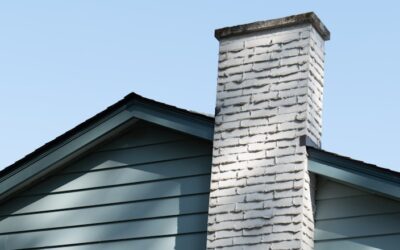
Your chimney flue is one of the most critical safety components in your home. It channels dangerous combustion gases — including carbon monoxide — safely out of your living space while creating the draft that allows your fireplace, wood stove, or furnace to burn efficiently. A damaged, blocked, or improperly sized flue puts your home and family at serious risk.
This guide explains everything homeowners need to know about chimney flues, from how they work and what type you have to maintenance schedules, common problems, and when to call a professional.
- What Is a Chimney Flue?
- How a Chimney Flue Works
- Types of Chimney Flues
- Chimney Flue Liners Explained
- Proper Flue Sizing
- Cleaning & Maintenance Schedule
- Chimney Inspection Levels
- Common Chimney Flue Problems
- Repair Options & Costs
- Caps, Dampers & Accessories
- Safety Essentials
- Frequently Asked Questions
What Is a Chimney Flue?
The chimney flue is the interior passageway inside a chimney through which smoke, gases, and combustion byproducts travel from a fireplace, stove, or furnace to the outside atmosphere. Think of the chimney as the exterior structure (the bricks or metal you see) and the flue as the tunnel inside it.
A chimney can contain one or more flues. In many homes, one flue serves the fireplace while a separate flue serves the furnace or water heater. Each appliance should have its own dedicated flue to prevent backdrafting and ensure proper venting.
How a Chimney Flue Works
The flue operates on a simple principle: hot air rises. When a fire burns in your fireplace, the heated gases inside the flue are lighter than the cooler outside air. This temperature differential creates an upward draft that pulls combustion gases out of the home and draws fresh air into the fire from below.
Factors That Affect Draft
- Flue temperature: Hotter flue gases create stronger draft. This is why fires burn poorly when first lit and improve as the flue warms up.
- Flue height: Taller flues produce stronger draft. Most building codes require a minimum of 3 feet of chimney above the roofline and 2 feet above any structure within 10 feet.
- Flue diameter: The flue must be properly sized for the appliance it serves. Too large and draft is weak; too small and gases cannot escape efficiently.
- Outside temperature: Cold outside air increases the temperature differential, improving draft. Mild weather can cause draft problems.
- Wind: Wind blowing across the chimney top can either help or hinder draft depending on direction and speed.
- House tightness: Modern airtight homes may starve the fire of combustion air, weakening draft. An outside air supply may be needed.
Types of Chimney Flues
| Flue Type | Material | Common In | Lifespan | Cost |
|---|---|---|---|---|
| Clay tile liner | Fired clay | Homes built 1900s-present | 50+ years | $$ (installed) |
| Cast-in-place liner | Heat-resistant concrete | Restoration projects | 50+ years | $$$ |
| Stainless steel liner | 316 or 304 stainless steel | Retrofits, all fuel types | 15-25 years | $$ |
| Aluminum liner | Aluminum | Gas appliances only | 10-15 years | $ |
| Unlined (bare brick) | None | Pre-1940s homes | Varies; unsafe | N/A |
| Factory-built (prefab) | Double/triple wall metal | Newer homes, additions | 15-25 years | $$ |
Chimney Flue Liners Explained
The flue liner is the inner surface that directly contacts combustion gases. A properly functioning liner serves three critical purposes: it protects the chimney structure from heat and corrosive gases, it ensures proper flue sizing for efficient draft, and it prevents carbon monoxide from leaking through cracks into your home.
Clay Tile Liners
Clay tile liners are the most common type in masonry chimneys. They are affordable, handle heat well, and last for decades under normal conditions. However, they cannot be easily repaired if cracked, and they perform poorly with rapid temperature changes (thermal shock from a chimney fire can crack them instantly).
Stainless Steel Liners
Stainless steel liners are the most popular retrofit option. A flexible stainless steel tube is fed down the existing chimney, connecting to the appliance below and a cap above. They are compatible with all fuel types (wood, gas, oil) when the correct grade is used. Type 316 stainless is required for wood and coal; Type 304 works for gas and oil.
Cast-in-Place Liners
A heat-resistant concrete mixture is pumped into the chimney around an inflatable form, creating a seamless, smooth liner. This method strengthens the chimney structure while creating a perfectly sized flue. It is the most expensive option but also the most durable and structurally beneficial.
Proper Flue Sizing
An incorrectly sized flue causes poor draft, smoke spillage, creosote buildup, and inefficient combustion. The flue must be matched to the appliance it serves.
| Appliance | Recommended Flue Size | Notes |
|---|---|---|
| Open fireplace (small, under 6 sq ft opening) | 8″ x 8″ or 8″ round | 1/12 of fireplace opening area |
| Open fireplace (medium, 6-8 sq ft) | 8″ x 12″ or 10″ round | 1/12 of fireplace opening area |
| Open fireplace (large, 8+ sq ft) | 12″ x 12″ or 12″ round | 1/10 of fireplace opening area |
| Wood stove | 6″ or 8″ round | Match to stove’s flue collar size |
| Gas fireplace insert | 4″ or 5″ round | Per manufacturer specifications |
| Gas furnace | 4″ to 6″ round | Per furnace specifications |
| Oil furnace | 6″ to 8″ round | Per furnace specifications |
The 1/10 and 1/12 Rule
For open masonry fireplaces, the flue cross-sectional area should be approximately 1/10 of the fireplace opening area for round flues and 1/12 for square or rectangular flues. An undersized flue causes smoke to spill into the room; an oversized flue produces weak draft and excessive creosote.
Cleaning & Maintenance Schedule
Regular chimney cleaning prevents creosote buildup, which is the leading cause of chimney fires. The National Fire Protection Association (NFPA) recommends annual inspection and cleaning as needed.
| Usage Level | Inspection Frequency | Cleaning Frequency | Estimated Cleaning Cost |
|---|---|---|---|
| Heavy (3+ fires per week) | Annually | 1-2 times per year | $150-350 per cleaning |
| Moderate (1-2 fires per week) | Annually | Annually | $150-350 |
| Light (occasional use) | Annually | Every 1-2 years | $150-350 |
| Gas fireplace | Annually | As needed (less buildup) | $100-250 |
| Not in use | Every 2-3 years | As needed (animal nests, debris) | $100-250 |
Signs Your Chimney Needs Cleaning
- Fires are harder to start and maintain
- Smoke enters the room instead of going up the chimney
- A strong, unpleasant odor comes from the fireplace, especially in humid weather
- Black, flaky creosote deposits are visible inside the firebox or on the damper
- The damper is difficult to open or close due to soot buildup
Chimney Inspection Levels
The NFPA defines three levels of chimney inspection, each progressively more thorough.
Level 1 Inspection ($100-250)
A visual examination of the readily accessible portions of the chimney, including the firebox, damper, and visible flue from above and below. Appropriate for chimneys under continued service with no changes to the system.
Level 2 Inspection ($200-600)
Everything in Level 1 plus a video scan of the interior flue surface and inspection of accessible areas of the attic, crawl space, and basement where the chimney passes. Required when selling a home, after a chimney fire, or when changing the type of fuel or appliance.
Level 3 Inspection ($1,000-5,000+)
Everything in Level 2 plus the removal of certain components (walls, chimney structure) to access concealed areas. Required only when Level 1 or Level 2 inspections reveal serious hazards that cannot be fully evaluated otherwise.
Common Chimney Flue Problems
Creosote Buildup
Creosote is a tar-like substance that accumulates inside the flue when wood burns incompletely. It is highly flammable and is the primary cause of chimney fires. Burning seasoned hardwood, maintaining hot fires, and ensuring adequate draft all reduce creosote formation.
Cracked Flue Liner
Clay tile liners can crack from thermal shock (rapid temperature changes during a chimney fire), settling of the chimney, or age. Cracks allow heat and gases to reach combustible materials in the chimney chase, creating a fire and carbon monoxide hazard.
Blockages
Animal nests (birds, squirrels, raccoons), fallen debris, collapsed liner pieces, and excessive creosote can block the flue. A blocked flue forces carbon monoxide back into the home and must be cleared before using the fireplace.
Draft Problems
Poor draft manifests as smoke rolling into the room, difficulty starting fires, or a smoky smell in the house. Causes include an improperly sized flue, insufficient chimney height, competing exhaust fans, or a cold flue that needs warming before use.
Water Damage
Water entering the chimney from rain, snow, or condensation erodes mortar joints, rusts metal components, and deteriorates clay liners. A properly fitted chimney cap and crown are essential for keeping water out.
Repair Options & Costs
| Repair | When Needed | Cost Range | DIY? |
|---|---|---|---|
| Chimney cap replacement | Missing, rusted, or damaged cap | $150-700 | Possible for simple caps |
| Crown repair | Cracked or deteriorated concrete crown | $200-1,500 | No (requires masonry skills) |
| Flashing repair | Leaks at chimney-roof junction | $200-600 | No (roofing work) |
| Tuckpointing (mortar repair) | Deteriorated mortar joints | $500-2,500 | Minor patches only |
| Stainless steel relining | Cracked or missing liner | $1,500-5,000 | No (specialized work) |
| Cast-in-place relining | Structural issues + liner failure | $3,000-7,000 | No |
| Full chimney rebuild (above roof) | Severe structural deterioration | $3,000-15,000 | No |
| Full chimney rebuild (complete) | Catastrophic failure | $10,000-40,000+ | No |
Caps, Dampers & Accessories
Chimney Caps
A chimney cap sits on top of the flue and serves multiple purposes: it keeps rain out, prevents animal entry, blocks downdrafts, and contains sparks. Stainless steel caps are the most durable and typically include a lifetime warranty. Galvanized steel is cheaper but rusts within 5 to 10 years.
Top-Sealing Dampers
Unlike traditional throat dampers located at the bottom of the flue, top-sealing dampers sit at the top of the chimney and seal the entire flue opening. They prevent heat loss, animal entry, and downdrafts when the fireplace is not in use. A cable or chain running down the flue operates the damper from inside the firebox.
Chimney Liner Insulation
Wrapping a stainless steel liner with insulation improves draft, reduces creosote formation, and protects the surrounding chimney structure from heat. Insulation is especially important for wood-burning applications and exterior chimneys exposed to cold outside air.
When upgrading your chimney and fireplace area, consider how the surrounding flooring complements the hearth. An engineered oak floor provides warm, natural beauty that pairs beautifully with a stone or brick fireplace surround. Ensure any flooring near the fireplace meets clearance requirements for non-combustible materials, and keep floors clean with the best hardwood floor cleaner to protect against ash and soot stains.
Safety Essentials
- Install carbon monoxide detectors on every level of your home, especially near bedrooms and the room containing the fireplace.
- Never close the damper while a fire is burning or while embers remain hot. This traps carbon monoxide indoors.
- Burn only seasoned hardwood. Green wood, treated lumber, and trash produce excessive creosote, toxic fumes, and chimney damage.
- Keep combustibles at least 3 feet from the fireplace opening. This includes furniture, curtains, decorations, and holiday items.
- Use a fireplace screen to contain sparks and embers.
- Never use gasoline, lighter fluid, or other accelerants to start a fireplace fire.
- Dispose of ashes safely in a metal container with a lid, stored away from the house and any combustible materials for at least 72 hours.
Frequently Asked Questions
How often should a chimney flue be cleaned?
The NFPA recommends annual inspection and cleaning as needed. If you use your fireplace regularly (once a week or more during heating season), annual cleaning is essential. Even if you rarely use the fireplace, annual inspection catches other problems like animal nests, water damage, and structural deterioration.
How do I know if my chimney flue is damaged?
Warning signs include smoke entering the room during fires, a strong odor from the fireplace when not in use, visible cracks in the firebox, white staining (efflorescence) on exterior bricks, and chunks of clay tile or mortar falling into the firebox. A Level 2 inspection with video scanning provides a definitive assessment of flue condition.
Can I use my fireplace without a flue liner?
No. Using a fireplace without a flue liner is extremely dangerous and violates building codes in virtually all jurisdictions. An unlined chimney allows heat to transfer to adjacent combustible materials and permits carbon monoxide to leak into living spaces through cracks in the mortar. If your chimney is unlined, install a stainless steel or cast-in-place liner before using the fireplace.
What is the difference between a flue and a chimney?
The chimney is the complete structural assembly — the bricks, mortar, crown, cap, and all components visible from outside. The flue is the interior passageway inside the chimney through which combustion gases travel. A single chimney may contain multiple flues serving different appliances.
How much does it cost to reline a chimney flue?
A stainless steel chimney relining typically costs $1,500 to $5,000, depending on chimney height, liner diameter, and whether insulation is included. Cast-in-place relining runs $3,000 to $7,000. These costs include labor and materials for a complete installation by a certified chimney professional.
Can I clean my chimney flue myself?
Basic chimney cleaning is possible for handy homeowners using chimney brushes and rods purchased at hardware stores. However, professional cleaning is recommended because certified chimney sweeps also inspect for structural problems, liner damage, and safety hazards that an untrained eye would miss. The cost of professional cleaning ($150-350) is modest compared to the risk of missing a serious problem.
Last updated: March 2026