The flue is the part of your chimney you never see and cannot afford to ignore. It is the inner liner that channels smoke, heat, and toxic gases safely up and out of your home, and when it cracks or deteriorates, those gases can leak into living spaces and the intense heat can reach nearby framing. That is why chimney flue repair is one of the few home projects where cutting corners genuinely risks a house fire or carbon monoxide exposure. Whether you burn wood, run a gas appliance, or simply have an aging masonry chimney, understanding how flue damage happens, how it is repaired, and what it costs will help you protect your home and your family.
What the Flue Does and Why It Fails
The flue liner is the protective conduit inside the chimney. In older masonry chimneys it is typically made of clay tile sections stacked inside the brick, while newer or upgraded systems use stainless steel or a cast-in-place liner. Its two jobs are to contain the byproducts of combustion and to shield the surrounding masonry and wood framing from extreme heat.
Flues fail for several reasons. Clay tiles crack from thermal shock when they heat rapidly, especially during a chimney fire. Decades of acidic condensation from combustion gases slowly eat away at the liner. Water intrusion through a failing crown or missing cap accelerates decay, and freeze-thaw cycles spall the masonry. Once the liner is compromised, its protective barrier is broken, and the chimney is no longer safe to use.
Warning Signs of a Damaged Flue
Because the liner is hidden, most homeowners rely on secondary clues and professional inspection. Watch for these red flags:
- Pieces of clay tile or masonry debris appearing in the firebox, a classic sign of a cracking liner.
- A strong smoke smell inside the home or smoke backing into the room when the fireplace is used.
- White staining (efflorescence) or damp patches on the chimney exterior or interior walls.
- Rusting of the firebox, damper, or metal components from moisture intrusion.
- Crumbling mortar between exterior bricks or a deteriorating chimney crown.
- A carbon monoxide detector alarming when appliances vent through the chimney.
Any of these warrants a professional inspection with a camera. A certified sweep can run a video scan down the flue and show you exactly what is happening inside.
Flue Repair and Relining Methods
The right fix depends on the type and extent of damage. Minor issues sometimes get spot repairs, while a badly deteriorated liner usually needs full relining.
- Stainless steel liner: The most common repair. A flexible or rigid stainless tube is inserted down the flue and connected to the appliance, creating a new, code-compliant, corrosion-resistant channel. Excellent for wood, gas, and oil.
- Cast-in-place liner: A cement-like material is applied to form a new smooth liner inside the existing flue, reinforcing the structure while creating a fresh surface. Good for older masonry chimneys that also need structural support.
- Joint and tile repair (HeatShield-type): For flues with damaged mortar joints but otherwise sound tiles, a specialized sealant is applied to reseal the joints without a full reline.
- Clay tile replacement: Replacing individual cracked tiles, which is labor-intensive and often only practical in limited sections.
Stainless steel relining is the go-to for most repairs because it is durable, widely code-accepted, and often carries a lifetime warranty. Always confirm the liner is properly sized to the appliance, because an oversized or undersized flue drafts poorly.
What Chimney Flue Repair Costs
Prices vary with the method, chimney height, and accessibility, but here are realistic ranges.
- Camera inspection: $100 to $350, often credited toward the repair.
- Joint sealing repair: $500 to $2,500 depending on the extent.
- Stainless steel relining: $1,500 to $5,000 for a typical residential chimney.
- Cast-in-place liner: $2,500 to $7,000 given the labor involved.
- Full rebuild of a severely damaged chimney: $5,000 to $15,000-plus.
Related work often accompanies flue repair, such as rebuilding the chimney crown ($300 to $1,200) or installing a new cap ($150 to $500) to keep water out. Bundling these prevents the same moisture problem from destroying the new liner.
Why You Should Not Delay or DIY
Flue repair is not a weekend project. Diagnosing liner damage requires camera equipment and trained interpretation, and relining demands proper sizing and code compliance to be safe. A poorly installed liner can draft badly, leak combustion gases, or fail to protect the framing, which defeats the entire purpose.
The stakes are high. A cracked flue can allow carbon monoxide into your home or let the extreme heat of a fire reach combustible framing behind the masonry. This is genuinely one of the areas where hiring a certified professional, ideally one credentialed by a recognized sweeping association, is worth every dollar. Do not use a fireplace or vented appliance with a known flue defect.
Understanding the Full Chimney System
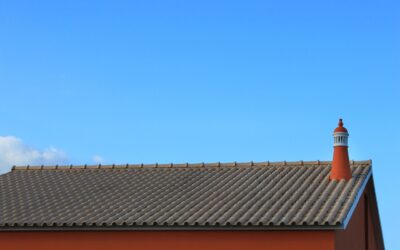
Flue damage rarely happens in isolation, because the flue is protected by other components that usually fail first and let water in. Understanding the whole system helps you address the real cause rather than just the symptom. The chimney crown is the concrete or masonry slab at the very top that sheds rain away from the flue and the brickwork. When it cracks, water pours straight down into the chimney, attacking the liner and the mortar joints from within.
The chimney cap sits above the crown and covers the flue opening, keeping out rain, animals, and debris while a spark arrestor screen contains embers. A missing or damaged cap is one of the most common reasons a flue deteriorates, since it leaves the liner directly exposed to the elements. Flashing, the metal seal where the chimney meets the roof, is another frequent leak point. When you repair a flue, it is worth inspecting the crown, cap, and flashing at the same time, because fixing the liner without stopping the water that damaged it just sets up the next failure.
Preventing Chimney Fires and Creosote Buildup
For wood-burning chimneys, creosote is the hidden threat that most often destroys flues and starts fires. Creosote is a tarry, highly flammable residue that condenses on the flue walls as wood smoke cools, and it accumulates layer by layer with every fire. When it builds up enough and ignites, the result is a chimney fire that can crack clay tiles instantly and reach temperatures that threaten the entire structure.
You can dramatically reduce creosote with a few practices. Burn only seasoned hardwood that has dried for at least six months to a moisture content below 20 percent, since wet or green wood smolders and produces far more creosote. Build hot, bright fires rather than slow, smoky smoldering ones, and never restrict the air supply so much that the fire barely burns. Have the chimney swept and inspected annually, more often if you burn frequently. These habits, combined with a sound liner and a good cap, are the surest way to avoid the chimney fires that make flue repair necessary in the first place.
Protecting Your Chimney Going Forward
Once repaired, a few habits keep the flue healthy. Have the chimney inspected annually and swept as needed, especially if you burn wood, which deposits creosote that fuels chimney fires. Keep a properly fitted cap on top to block rain, animals, and debris. Address any crown cracks or masonry issues promptly, since water is the flue’s slow enemy. And burn only seasoned, dry wood to minimize creosote buildup. With a sound liner and regular maintenance, your chimney will vent safely and reliably for decades, keeping the heat where you want it and the dangerous gases where they belong, outside your home.
If you are unsure of your chimney’s condition, the smartest first step is an annual inspection by a certified sweep before the heating season begins. A camera scan catches liner cracks and creosote buildup while they are still cheap to address, long before they become a hazard. Treat that yearly inspection as non-negotiable maintenance, the same way you would service a furnace, and pair it with a good cap, a sound crown, and dry firewood. That combination is far less expensive than a full reline or, worse, the damage a chimney fire or carbon monoxide leak can cause, and it keeps your fireplace or heating appliance safe to enjoy all winter.