
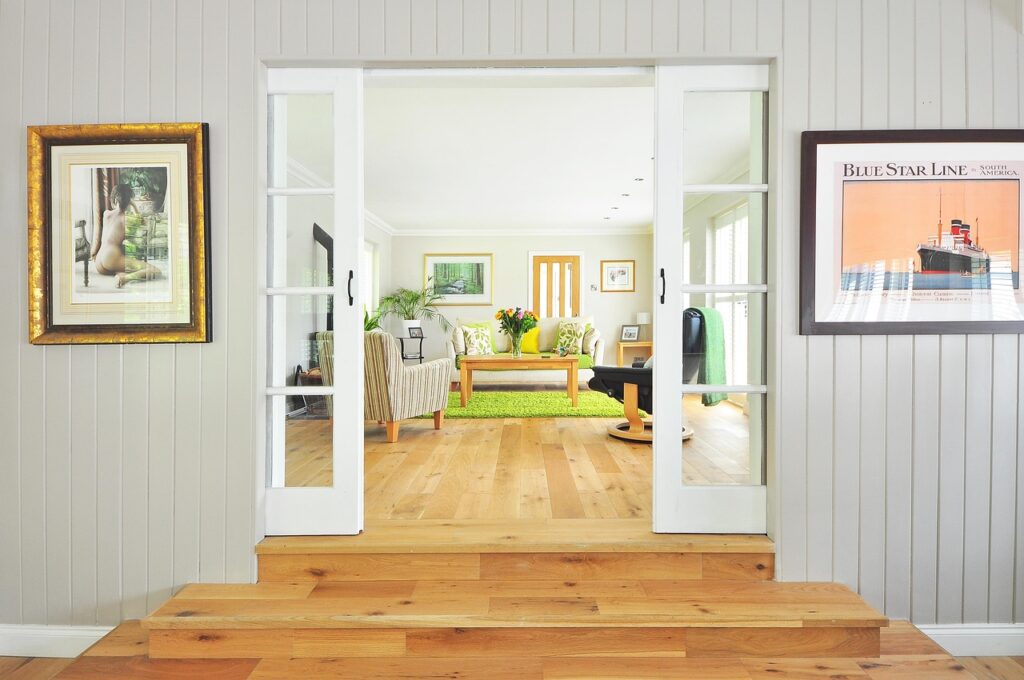
Mass-produced flooring is uniform by design, with every plank identical to the last, and that perfection is exactly what makes it look manufactured. Craft flooring takes the opposite approach, embracing handwork, natural variation, and artisan techniques to create floors with genuine character and depth. Whether it is hand-scraped hardwood, wire-brushed planks, or custom-finished boards, craft flooring trades machine sameness for the warmth and individuality of something made by hand. Understanding what defines it helps you decide whether the premium is worth it for your home.
- What Defines Craft Flooring
- Popular Craft Techniques
- The Appeal of Handcrafted Floors
- The Trade-Offs
- Materials Used in Craft Flooring
- What It Costs
- Buying Craft Flooring Wisely
- Machine-Distressed vs. True Handwork
- Designing a Room Around Craft Flooring
- Is Craft Flooring Worth the Premium
- Caring for Textured Floors
- Final Thoughts on Craft Flooring
What Defines Craft Flooring
The term covers any flooring where hand techniques or artisan processes shape the final look. These are floors meant to show the maker’s hand, not hide it.
Common hallmarks include hand-scraped textures, wire-brushed grain, hand-applied stains and oils, and reclaimed or character-grade wood with knots and color variation left intentionally visible. The goal is a floor that feels authentic and lived-in rather than factory-flat.
Popular Craft Techniques
Several signature finishing methods give craft flooring its distinctive surfaces. Each creates a different feel underfoot and look in the light.
- Hand-scraped: Artisans scrape each board for an undulating, time-worn surface.
- Wire-brushed: Steel brushing removes soft grain to highlight the texture.
- Distressed: Intentional dents, wormholes, and aging for a reclaimed look.
- Hand-rubbed oil finishes: Natural oils worked in by hand for a matte, tactile surface.
The Appeal of Handcrafted Floors
The biggest draw is character that machine-made flooring simply cannot replicate. No two hand-scraped boards are identical, so the floor reads as authentic and one-of-a-kind.
Texture also has a practical upside. Hand-scraped and wire-brushed surfaces hide minor scratches, dents, and everyday wear far better than a smooth, glossy floor, which makes them surprisingly forgiving in busy households with kids and pets.
The Trade-Offs
Artisan flooring asks more of your budget and patience. Be honest about what you are signing up for.
- Higher cost: Handwork and premium wood push prices well above standard planks.
- Longer lead times: Custom and hand-finished orders take weeks, not days.
- Variation: The character that appeals to some looks “imperfect” to others.
- Refinishing nuance: Recreating a hand-scraped texture after sanding is difficult.
Materials Used in Craft Flooring
Most craft flooring starts with real wood, since the techniques rely on natural grain. A few material choices dominate.
- Solid hardwood: Oak, hickory, and walnut take hand-scraping beautifully.
- Engineered hardwood: Hand-finished veneers for stability over concrete.
- Reclaimed wood: Salvaged barn and factory timber with built-in history.
What It Costs
Expect a meaningful premium over standard flooring for the handwork and quality of wood involved.
- Hand-scraped engineered: $6 to $14 per sq ft
- Hand-scraped solid hardwood: $8 to $18 per sq ft
- Reclaimed and custom artisan floors: $12 to $30+ per sq ft
Buying Craft Flooring Wisely
Always view large samples in person and in your own light, because the texture and color variation that define craft flooring photograph poorly and vary board to board. Order extra material so future repairs blend with the original character.
Ask the maker how the texture was applied and whether it can be matched if the floor ever needs refinishing. Chosen thoughtfully, a handcrafted floor brings a warmth and authenticity to a room that no mass-produced plank can match.
Machine-Distressed vs. True Handwork
An important distinction separates genuinely handcrafted floors from mass-produced imitations. Many “hand-scraped” floors on the market are actually machine-embossed, with the same repeating texture stamped onto every board.
True handwork shows random, irregular variation because a person scraped each plank individually, while machine versions repeat their pattern every few boards if you look closely. Neither is wrong, and machine-distressed floors cost far less while still hiding wear well. But if authenticity is what draws you to craft flooring, ask the seller directly whether the texture is hand-applied or machine-pressed before paying a premium.
Designing a Room Around Craft Flooring
A character-rich floor becomes the foundation of a room’s design, so the surroundings should let it lead. Because hand-scraped and reclaimed floors carry strong texture and color variation, pair them with simpler, calmer finishes elsewhere.
Solid-color walls, restrained cabinetry, and uncluttered furnishings give the floor room to be the star. Rustic and distressed floors complement farmhouse, industrial, and transitional interiors beautifully, while a refined hand-rubbed oil finish suits more contemporary spaces. Let the floor set the tone and build the rest of the palette around it rather than competing with it.
Is Craft Flooring Worth the Premium
The decision comes down to what you value and how you live. If you want a floor with genuine personality that forgives daily wear and tells a story, the premium for craft flooring is easy to justify.
If you prefer clean uniformity, plan to move soon, or are working to a tight budget, a quality machine-textured floor delivers a similar look for less. For homeowners staying long-term who appreciate authentic materials, the warmth and individuality of a handcrafted floor pay back every day you live on it. Buy from a reputable maker, see large samples in person, and order extra so the character of your floor can be matched for years to come.
Caring for Textured Floors
Hand-scraped and wire-brushed surfaces have one quirk worth knowing: their texture creates more nooks where dust and grit can settle. Regular dust-mopping keeps that grit from acting like sandpaper on the finish over time.
Clean with a wood-specific cleaner and a barely damp mop rather than soaking the floor, and skip steam cleaners that can drive moisture into the grain. The upside of all that texture is forgiveness; minor new scratches and dents blend right into the existing character rather than standing out, which is exactly why these floors suit busy households so well.
Final Thoughts on Craft Flooring
Craft flooring is for the homeowner who wants a floor with soul rather than a flawless factory surface. Hand-scraped textures, wire-brushed grain, and reclaimed wood bring depth, warmth, and a one-of-a-kind quality that mass-produced planks simply cannot replicate.
The premium is real, and so is the longer lead time, but the payoff is a floor that anchors a room and ages beautifully. Confirm whether the texture is truly hand-applied or machine-pressed, view large samples in your own light, design the room to let the floor lead, and order extra for future repairs. Chosen thoughtfully, a handcrafted floor becomes a feature you appreciate every day you walk across it.
Prefer to explore on your own?
See how new flooring looks in your actual room in seconds — free, no signup.
Try the free Floor Studio →

