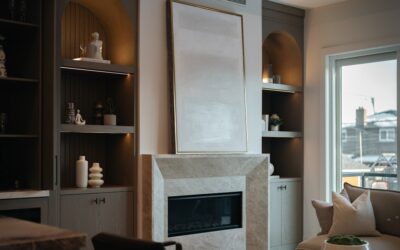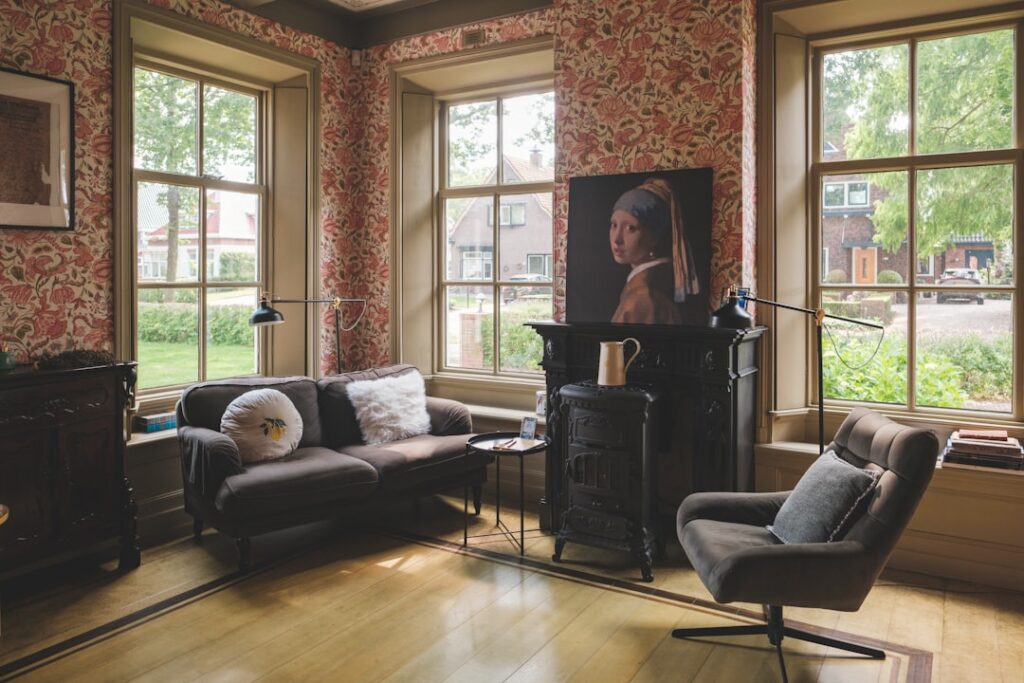
The “everything beige” backlash of the 2010s pushed homeowners toward gray, then to greige, and now toward a softer, warmer family of neutrals that read as comfortable rather than cold. Creamy mushroom paint is at the center of that shift — a warm putty-beige with subtle gray undertones that flatters wood, brass, and natural materials without disappearing into the background. The color name shows up in design publications, paint deck launches, and Pinterest boards, but the actual shade varies wildly between brands. This guide covers the best creamy mushroom paint colors, where they shine, and what to pair them with for a room that feels grown-up and quietly elegant.
Part of our Paint & Walls guide — explore the full guide →
What Counts as Creamy Mushroom
Creamy mushroom sits in the warm-neutral family, halfway between beige and greige with a touch of pink or yellow undertone. Picture the color of a cremini mushroom cap dusted with flour — pale, soft, and grounding. Light reflectance values (LRV) typically fall between 55 and 70, meaning the color reads light without going stark white.
The color reads warm but not yellow, neutral but not gray, and earthy without being muddy. Done right, creamy mushroom is the rare paint that flatters both north-facing rooms (which tend to look cold) and south-facing rooms (which tend to look washed out).
Top Creamy Mushroom Paint Colors
Several major brands offer colors that fit the creamy mushroom description:
- Sherwin-Williams Accessible Beige SW 7036 — warm with pink undertones, LRV 58
- Benjamin Moore Pashmina AF-100 — soft mushroom-greige, LRV 56
- Farrow & Ball Elephant’s Breath No. 229 — warm gray with pink lift, LRV 51
- Sherwin-Williams Mega Greige SW 7031 — earthier mushroom, LRV 52
- Benjamin Moore Edgecomb Gray HC-173 — lighter, more versatile, LRV 63
- Behr Wheat Bread N270-3 — affordable creamy mushroom alternative, LRV 60
- Clare Avant Garde — modern mushroom with cool undertone, LRV 55
Test the color in your actual space at multiple times of day. Mushroom paints shift dramatically between morning, afternoon, and evening light.
Where Creamy Mushroom Works Best
The color earns its keep in:
- Living rooms where the color anchors furniture in any tone
- Bedrooms where the warmth feels restful
- Dining rooms where it flatters skin tones at the table
- Open floor plans where one neutral needs to flow across multiple zones
- Kitchens with white or wood cabinets — the warmth softens the room
- Hallways and stairs where a true white reads sterile
Less ideal locations include very small powder rooms (where richer colors create more impact) and home gyms (where higher-energy colors work better).
Trim and Ceiling Pairings
Soft white or warm white trim sets off creamy mushroom walls without harsh contrast. Try:
- Benjamin Moore White Dove OC-17 — the most versatile match
- Sherwin-Williams Alabaster SW 7008 — slightly creamier white
- Farrow & Ball Wimborne White No. 239 — soft historic white
- Benjamin Moore Simply White OC-117 — clean but warm
Avoid pure cool whites like Pure White or Snowfall White — they create unflattering contrast against the warm mushroom tones.
For ceilings, paint slightly lighter (75 percent of the wall color formula) for a subtle layered effect, or use the same trim white for a clean modern look.
Cabinet Color Combinations
Creamy mushroom walls allow for flexible cabinet choices:
- White Shaker cabinets — classic and timeless
- Natural white oak cabinets — Scandinavian-leaning warmth
- Walnut or rift-cut oak — rich modern contrast
- Sage green cabinets — unexpected but elegant
- Soft black or charcoal cabinets — high contrast for dramatic kitchens
Avoid orange-toned wood cabinets (golden oak from the 1990s) — the combination skews dated. Refinish or paint dated cabinets before pairing with mushroom walls.
Flooring Pairings
Creamy mushroom walls play beautifully with most flooring choices:
- White oak hardwood — the strongest natural pairing
- Walnut hardwood — adds depth and contrast
- Light gray LVP — modern and uniform
- Sisal or jute carpet — natural texture supports the earthy palette
- Cream or warm gray porcelain tile — works in kitchens and baths
Avoid orange-toned wood floors and red-brown laminates. The yellow-pink of mushroom paint clashes with red wood tones.
Furniture and Decor
The flexibility of creamy mushroom walls allows for layered, evolving decor:
- Brass or aged-brass hardware reads warm and refined
- Black metal accents add modern contrast
- Linen and natural-fiber textiles complement the earthy tone
- Rich green and burgundy upholstery feels sophisticated
- Soft white and cream furniture creates a tonal layered look
Avoid heavy primary colors against mushroom walls — bright red, bright blue, or saturated yellow furniture fights the soft palette.
Lighting Considerations
The undertones of mushroom paint shift dramatically with bulb temperature. Use 2700K to 3000K LEDs to bring out the warm character. Cooler 4000K or higher temperatures gray the color and can make it look dingy.
South-facing rooms get yellow afternoon light that warms mushroom walls further. North-facing rooms benefit from layered lamps to compensate for cooler natural light. Living rooms should always have at least three light sources at varying heights.
Common Pairing Mistakes
- Pairing with cool gray trim — creates muddy contrast
- Adding orange wood furniture — emphasizes yellow undertones
- Using cool white LED bulbs — makes the color look gray and lifeless
- Pairing with bright primary colors — fights the soft palette
- Forgetting to test in actual room lighting before committing
How Many Coats and What Sheen
Plan for two coats over a primed surface, three over deeper or contrasting base colors. Use Eggshell or Matte sheen on walls for the most flattering finish — mushroom paints look slightly cheaper in higher gloss.
For trim, Semi-Gloss or Satin in the matching white. For ceilings, dead flat finish to hide imperfections.
Cost and Coverage
Premium mushroom paints from Benjamin Moore, Sherwin-Williams, and Farrow & Ball run $50 to $130 per gallon. Mid-range options from Behr, Valspar, and Clare run $35 to $60. A standard 12-by-14 bedroom takes about 2 gallons for two coats.
For an entire main floor (1,200 to 1,800 square feet of wall space), budget $400 to $700 in paint plus trim. Hire a painter at $2 to $5 per square foot if DIY is not your thing.
Final Word
The right creamy mushroom paint creates a warm, grown-up neutral that flatters nearly every furniture, wood, and metal finish. Test the specific shade in your actual lighting before committing, pair with warm white trim and 2700K bulbs, and avoid the orange-wood and cool-white pitfalls. Done thoughtfully, mushroom is the kind of paint that makes guests ask the color name and then realize the room has felt good the entire time they have been in it.