Cushion vinyl flooring in a bathroom is one of the most practical, budget-friendly, and comfortable choices you can make for a wet room. Also called cushioned sheet vinyl or cushion-back vinyl, it’s a resilient flooring that combines a printed wear surface with a foam-cushion middle layer, giving it a soft, slightly springy feel underfoot that hard tile can never match. For a family bathroom where kids splash, feet are bare, and the floor gets wet daily, that cushioned warmth and waterproof performance are a genuinely winning combination.
The product typically comes in wide rolls, 6 or 12 feet across, so a standard bathroom floor can be covered with a single seamless sheet. That lack of seams is exactly what makes it so water-tight, and it’s the reason sheet vinyl has been a bathroom staple for generations while newer forms keep it relevant today.
What Cushion Vinyl Actually Is
Cushion vinyl is a layered sheet product. The top is a clear wear layer that resists scuffs and scratches; below it sits the printed design layer that mimics tile, stone, or wood; then comes the defining foam cushion layer, usually a closed-cell PVC or fiberglass-reinforced foam, that gives the floor its softness; and a stable backing rounds out the bottom. Total thickness runs about 2 to 4 mm, most of which is that comfortable cushion.
The wear layer thickness still matters even in a cushioned product. Budget bathroom vinyl carries a thin 8- to 12-mil wear layer, adequate for a low-traffic guest bath, while better products offer 15 to 20 mil for a primary bathroom that sees daily use. The fiberglass-reinforced versions lie flatter and resist indentation and curling better than older felt-backed sheets.
Because it comes as a continuous sheet rather than planks or tiles, cushion vinyl has few or no seams in a typical bathroom, and any seams that do exist can be chemically welded or seam-sealed to keep water out entirely.
Why It Suits Bathrooms So Well
The waterproofing is the core advantage. Water simply beads and sits on the surface with nowhere to penetrate, so splashes from the tub, drips from the shower, and the inevitable overflowing sink cause no damage. Unlike tile, there are no grout lines to absorb water and grow mildew, which cuts your cleaning burden dramatically.
Comfort and safety come next. The foam cushion makes the floor warmer to bare feet than cold ceramic and softens the impact if someone slips, a real consideration in a room where wet feet meet a hard surface. Many cushion vinyl products also carry a textured, low-gloss finish that improves wet traction compared to polished tile or stone.
Sound and warmth are quiet bonuses. The cushion layer deadens footstep noise and insulates against a cold subfloor, so a bathroom floor over an unheated crawlspace feels noticeably less frigid on a winter morning than tile set in mortar.
Pros of Cushion Vinyl in the Bath
Cost is the standout benefit. Cushion vinyl flooring for a bathroom runs roughly $1.00 to $3.00 per square foot for the material, among the cheapest waterproof options available, and professional installation adds only about $1.00 to $3.00 per square foot. A typical 40- to 60-square-foot bathroom can be refloored for a few hundred dollars.
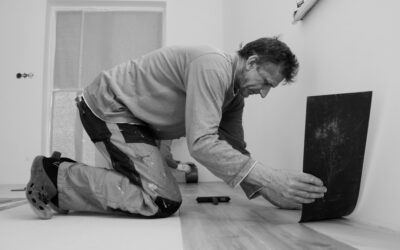
Installation is fast and often DIY-friendly. A small bathroom can be templated and cut from a single sheet, then either loose-laid, taped, or adhered with a perimeter or full-spread adhesive in an afternoon. There’s no grout to mix, no mortar to cure, and no waiting days to use the room.
Maintenance is about as easy as flooring gets. A damp mop with a mild pH-neutral cleaner handles everything, and the seamless surface leaves nowhere for grime or mildew to hide. No sealing, no waxing, no grout scrubbing, ever.
Cons and Limitations
The cushion that makes it comfortable also makes it easier to dent and puncture. A dropped razor, a heavy vanity leg, or a dragged appliance can gouge or tear the sheet, and unlike tile you can’t swap out a single damaged area, you patch it or replace the whole sheet. Furniture with sharp feet should sit on protective pads.
It reads as a budget material, and up close it doesn’t fully convince the way porcelain or real stone does. The best printed and textured cushion vinyl looks good from standing height, but a discerning eye will spot it as vinyl. In a high-end primary bath, that perception can matter at resale.
Longevity is shorter than rigid options. A quality cushion vinyl bathroom floor lasts about 10 to 20 years depending on wear-layer thickness and traffic, respectable for the price but less than the 25-plus years you’d get from a rigid-core LVT or ceramic tile. Adhesive-related issues and edge lifting can also appear if the subfloor wasn’t properly prepped.
Installation and Subfloor Prep
Success starts with the subfloor. Because cushion vinyl is thin and flexible, it telegraphs every imperfection beneath it, so the subfloor must be smooth, clean, and dry. Over plywood, fill seams and nail heads with a floor patch and sand smooth; over concrete, level any dips and confirm the slab is dry, since trapped moisture can break down the adhesive and grow mildew under the sheet.
Make a paper or felt template of the bathroom, transfer it to the vinyl on a clean flat surface, and cut with a sharp utility knife, leaving a slight overage to trim tight to the walls and around the toilet flange. Fit the sheet, then adhere it per the manufacturer’s method, full-spread adhesive for the most durable bond in a wet room, or a perimeter and seam adhesive for simpler jobs.
Seal every edge and seam. Run a bead of the recommended seam sealer or silicone where the vinyl meets the tub, the toilet base, and the walls, because those transitions are where water tries to sneak underneath. Do that carefully and cushion vinyl flooring gives a bathroom a soft, warm, genuinely waterproof floor for a fraction of the cost of tile, with a fraction of the maintenance.
How Cushion Vinyl Compares to Other Bathroom Floors
Set cushion sheet vinyl beside its main rivals and the trade-offs come into focus. Against ceramic and porcelain tile, cushion vinyl is far cheaper, warmer, softer, and faster to install, but tile wins on longevity and resale prestige and shrugs off dropped objects that would dent vinyl. Against rigid luxury vinyl plank or tile, cushion vinyl is softer underfoot and cheaper, but the rigid products are more dent-resistant, look more convincing up close, and last longer, roughly 20 to 30 years versus 10 to 20 for cushioned sheet.
Against laminate, cushion vinyl is the obvious bathroom pick, since laminate’s fiberboard core swells when water reaches the seams and simply doesn’t belong in a wet room. And against natural stone, cushion vinyl trades away the high-end look and permanence in exchange for waterproofing without sealing, softness underfoot, and a price that’s a small fraction of a stone floor. For most family and secondary bathrooms, that value equation lands squarely in cushion vinyl’s favor.
The right choice comes down to how long you plan to stay and what the room is worth. In a starter home, a rental, a kids’ bathroom, or a quick refresh before selling, cushion vinyl delivers a clean, waterproof, comfortable floor for the least money and effort. In a forever-home primary bath where you want a decades-long premium finish, stepping up to rigid LVT or porcelain is the wiser long-term spend. Knowing which situation you’re in makes the decision straightforward.
Choosing Gauge, Backing, and Finish
When you shop cushion vinyl, three specs separate a floor that lasts from one that curls in two years. The first is overall gauge, the total thickness of the sheet. Budget rolls run about 2 mm, while better bathroom-grade cushion vinyl measures 2.5 to 4 mm, and that extra body resists indentation and lies flatter over a slightly imperfect subfloor. The second is the wear-layer thickness within that gauge; aim for 15 to 20 mil in a primary bath so heels, grit, and dragged laundry baskets don’t cut through to the print.
The third spec is the backing. Older felt-backed sheets are cheaper but absorb moisture at cut edges and can curl or grow mildew if water gets under them, which is exactly the wrong trait in a bathroom. Fiberglass-reinforced backing is the better choice for a wet room: it stays dimensionally stable, lies flat without heavy adhesive, and won’t wick water. Pair a fiberglass-backed sheet with a full-spread waterproof adhesive rated for wet areas, applied at the recommended coverage of roughly 150 to 200 square feet per gallon, and the floor bonds tight with no edge lift.
Finish matters for safety and cleaning. A low-gloss, lightly textured surface hides water spots, offers better wet traction, and masks minor scuffs, whereas a high-gloss sheet shows every footprint and gets slick when wet. In a bathroom used by kids or older adults, the textured matte finish is the safer, more forgiving pick, and it still wipes clean with a damp mop in seconds.
Prefer to explore on your own?
See how new flooring looks in your actual room in seconds — free, no signup.
Try the free Floor Studio →