
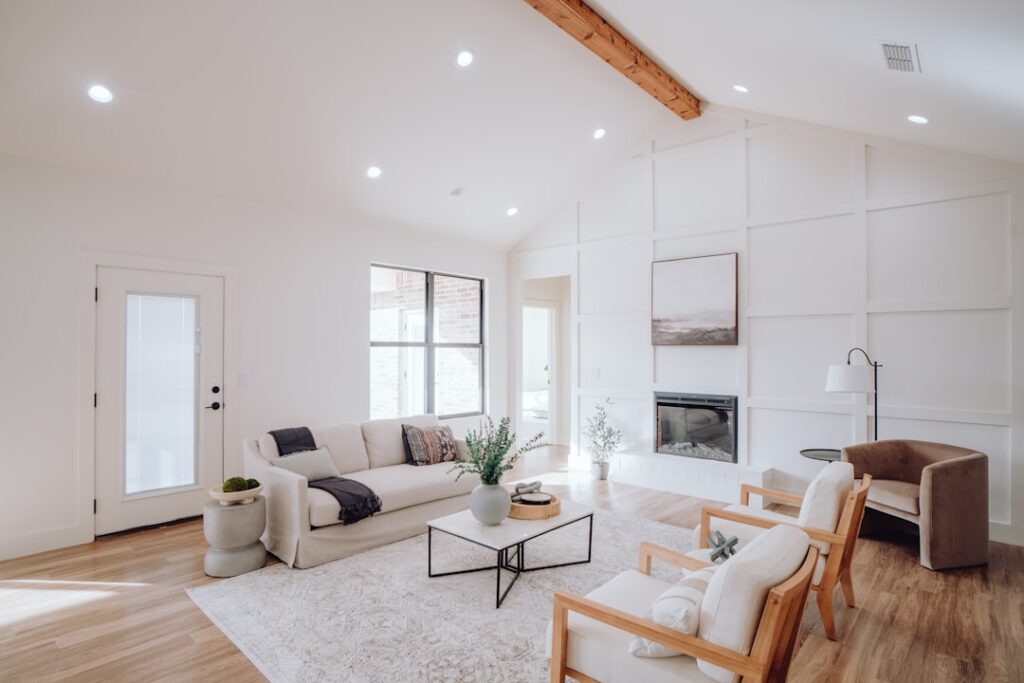
Walk into a professionally designed room and something feels finished in a way you cannot always name — often it is the windows. Designer window treatments do more heavy lifting than any other single element, framing the view, controlling light, adding color and texture, and softening the hard architecture of a room. The gap between a builder-grade blind and a treatment that looks custom is not always about money; it is about proportion, layering, and knowing which style suits the room. Here is how the pros approach it.
Part of our Windows & Doors guide — explore the full guide →
- What Makes Window Treatments Look Designer
- The Main Categories of Treatments
- The Power of Layering
- Choosing Fabrics and Colors
- What Designer Treatments Cost
- Motorization and Smart Control
- Matching Treatments to Each Room
- Measuring and Mounting Correctly
- Getting the High-End Look on Any Budget
- Energy Efficiency and Comfort
What Makes Window Treatments Look Designer
The single biggest tell of designer window treatments is scale. Off-the-shelf curtains hung tight to the window frame at standard length read as an afterthought; drapery mounted high and wide, puddling or just kissing the floor, makes a window and the whole room feel taller and more expensive. Designers routinely mount the rod 4 to 6 inches above the frame — sometimes right at the ceiling — and extend it 8 to 12 inches past each side so the open panels frame the glass rather than cover it.
The second marker is fullness and fabric. A luxurious drape uses two to two-and-a-half times the window’s width in fabric so it hangs in generous folds, not thin flat panels. Weightier fabrics — linen, velvet, cotton blends with a bit of body — drape and fall the way cheap polyester never will. Get scale and fabric right and even moderately priced treatments look custom.
The Main Categories of Treatments
Designer looks are built from a handful of building blocks, often combined:
- Drapery panels: floor-length fabric on a rod; the foundation of a layered, soft look
- Roman shades: fabric that folds up in neat horizontal pleats; tailored and architectural
- Roller and solar shades: clean, minimal, great for modern rooms and glare control
- Woven wood/bamboo shades: natural texture and warmth, popular in organic-modern spaces
- Plantation shutters: hinged louvered panels; a permanent, high-value architectural feature
- Cellular (honeycomb) shades: insulating pleats that trap air for energy efficiency
Each solves a different combination of light, privacy, and style. The designer move is rarely picking just one — it is combining a functional shade with a decorative drape.
The Power of Layering
Layering is the technique that most separates a designed window from a plain one. Pairing a functional shade with decorative side panels gives you both privacy and softness while adding visual depth. A classic combination is a light-filtering roller or Roman shade for daytime privacy, framed by stationary drapery panels for color and to soften the edges of the window.
For bedrooms, layer a blackout Roman or cellular shade behind linen drapes so you get true darkness for sleep plus a soft daytime look. In living rooms, pair woven wood shades with linen panels for texture and warmth. The layers do not all have to be functional — stationary panels that never actually close still deliver most of the visual payoff at lower cost, since they use less fabric and simpler hardware.
Choosing Fabrics and Colors
Fabric choice sets the mood and durability of the whole treatment. Linen brings a relaxed, high-end drape and a subtle texture that reads expensive; velvet adds drama and insulation for formal rooms; cotton and cotton blends are versatile workhorses. For sun-facing windows, choose fade-resistant fabrics or add a lining, since direct UV will bleach unprotected fabric within a few seasons.
On color, designers often keep drapery close to the wall color for a seamless, room-lengthening effect, or choose a grounding neutral that will not fight future decor changes. Bold patterned drapes make a statement but date faster and cost more to replace, so reserve pattern for smaller treatments or throw in it through pillows. Lining matters too: a good lining improves the drape, blocks light, protects the face fabric, and makes even mid-priced panels hang like custom ones.
What Designer Treatments Cost
Prices span a wide range depending on whether you go ready-made, semi-custom, or fully custom:
- Ready-made drapery panels: $30 to $150 per panel
- Semi-custom shades (roller, cellular, Roman): $150 to $500 per window
- Custom drapery (fabric, lining, labor): $300 to $1,200+ per window
- Plantation shutters: $200 to $500 per window installed
- Motorized shades: add $150 to $500 per window for the motor and controls
A whole-home custom treatment package can easily reach $5,000 to $15,000, which is why many homeowners mix approaches — splurging on custom drapery in the main living spaces and using quality ready-made or semi-custom shades elsewhere.
Motorization and Smart Control
Motorized treatments have moved from luxury to mainstream, and they earn their keep on large or hard-to-reach windows. Battery or hardwired motors let you raise and lower shades by remote, app, or schedule, and they integrate with smart-home systems like Lutron, Alexa, and Google Home. Beyond convenience, scheduling shades to close during peak afternoon sun cuts cooling costs and protects flooring and furniture from UV fading.
Cordless and motorized options are also the safe choice in homes with children and pets, eliminating the strangulation hazard of dangling cords — a concern serious enough that corded blinds have been phased out of many retail channels. If you are updating window treatments anyway, going cordless is worth the modest premium.
Matching Treatments to Each Room
Different rooms have different jobs, and the treatment should follow function. In bedrooms, prioritize light control and quiet — pair a blackout-lined Roman or cellular shade with linen drapes so you can sleep in and still have a soft daytime look. Kitchens and bathrooms need moisture-friendly, easy-clean options: faux-wood blinds, roller shades, or shutters hold up to humidity where fabric would sag or spot.
Living rooms and dining rooms are where you can be most decorative, layering drapery for warmth and drama since privacy demands are usually lower. Home offices benefit from solar shades that cut screen glare while preserving the view and daylight. Match the treatment to how you actually use the room, and the whole home feels considered rather than decorated from a single template.
Measuring and Mounting Correctly
Even the finest fabric looks amateur if it is measured or mounted wrong. Decide first between an inside mount, which sits within the window frame for a clean, built-in look, and an outside mount, which covers the frame and makes the window appear larger. Inside mounts require a frame deep enough for the hardware and precise measurements, since there is no margin to hide an error.
For drapery, remember the high-and-wide rule: mount the rod several inches above the frame and extend it 8 to 12 inches past each side so the panels stack off the glass. For length, floor-length is the standard — panels should either just kiss the floor, break slightly, or puddle an inch or two for a soft look. Panels that stop above the floor, so-called “flood length,” are the most common mistake and instantly cheapen the room. Measure twice, and when in doubt on drapery length, order longer and hem to fit.
Getting the High-End Look on Any Budget
You do not need a designer’s budget to get a designer’s result. The highest-impact, lowest-cost moves are all about installation: hang the rod high and wide, choose panels long enough to reach the floor, and add fullness by ordering wider panels than the window technically needs. A $200 set of ready-made linen panels hung correctly beats a $600 set hung tight and short every time.
Layer a simple functional shade behind decorative panels, pick weightier fabrics with proper lining, and keep the color palette calm and cohesive across the home. Do those things and your designer window treatments will read as thoughtfully custom regardless of what you spent — proof that in window design, technique matters as much as budget.
Energy Efficiency and Comfort
Window treatments do more than decorate — the right ones cut energy bills and make rooms more comfortable. Windows are a major source of heat loss in winter and heat gain in summer, and treatments add a layer of insulation over that weak point. Cellular (honeycomb) shades are the standouts here: their pleated pockets trap a buffer of air, and double-cell versions can add meaningful R-value, keeping rooms warmer in winter and cooler in summer.
In hot, sunny climates, solar shades and light-blocking drapes reduce the solar heat that pours through glass and drives up air-conditioning costs, while also protecting flooring, art, and upholstery from UV fading. Lined drapes closed on cold nights slow heat loss through the glass. Pairing an insulating shade with lined drapery gives you both the energy benefit and the decorative layering, so the same treatment that finishes the room also quietly trims your utility bill season after season.


