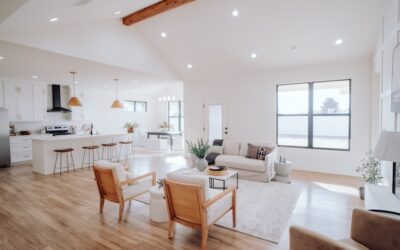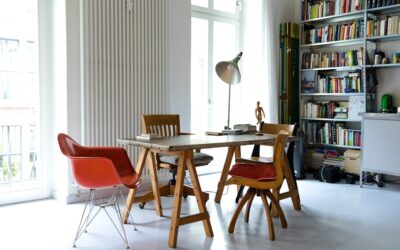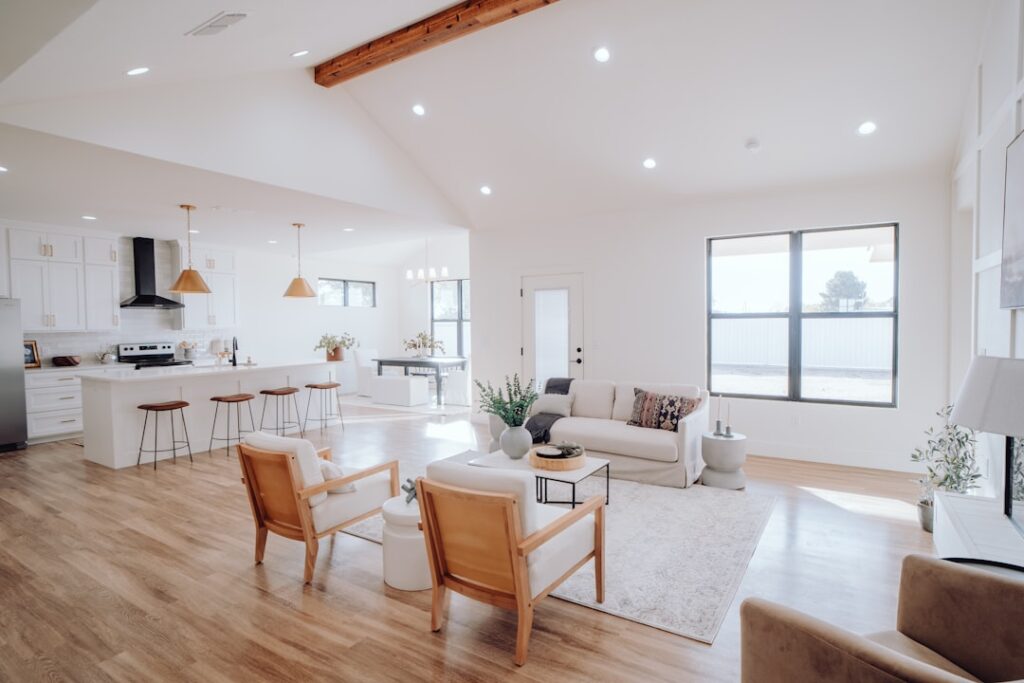
Understanding the different types of wood flooring is the first step to choosing a floor that fits your home, your budget, and your climate, because the term covers everything from solid planks milled from a single piece of timber to engineered boards and convincing wood-look alternatives that cost a fraction as much. Prices range widely, from about $3 per square foot for wood-look vinyl to $15 or more for premium solid hardwood installed. This guide breaks down the major categories, the popular wood species, the pros and cons of each option, and how to match the right floor to the right room.
Solid Hardwood Flooring
Solid hardwood is the traditional choice, with each plank milled from a single piece of natural wood, typically 3/4 inch thick. Its defining advantage is longevity: because it is solid wood throughout, it can be sanded and refinished many times over its life, lasting generations and often increasing a home’s resale value. The trade-offs are cost and sensitivity to moisture. Solid wood expands and contracts with humidity, so it is not recommended for basements, over concrete, or in very damp environments. It typically costs $8 to $15 per square foot installed. For main living levels where you want a timeless, renewable floor, solid hardwood remains the gold standard.
Engineered Hardwood Flooring
Engineered hardwood layers a real hardwood veneer over a stable plywood or fiberboard core. The top surface is genuine wood, so it looks identical to solid hardwood, but the layered core resists the expansion and contraction that limits solid wood. This stability lets engineered flooring go over concrete and into basements and humid climates where solid wood cannot. Thicker veneers can be refinished once or twice, while thin veneers cannot. Engineered hardwood usually costs $4 to $12 per square foot installed and installs by floating, gluing, or nailing. It is an excellent compromise for homeowners who want real wood with more versatility.
Laminate Flooring
Laminate is a wood-look product, not real wood, built from a fiberboard core topped with a photographic image layer and a clear wear layer. It convincingly mimics hardwood at a lower price, typically $3 to $8 per square foot installed, and its tough wear layer resists scratches well. The main drawbacks are that it cannot be refinished and that traditional laminate is vulnerable to water, though many newer products offer water resistance. Laminate is a smart choice for budget-conscious homeowners, rental properties, and busy households that want the look of wood with strong scratch resistance and easy click-lock installation.
Wood-Look Luxury Vinyl
Luxury vinyl plank has become a leading wood alternative because it combines a realistic wood look with one feature real wood lacks: it is fully waterproof. Rigid-core vinyl (SPC and WPC) resists dents and moisture, making it ideal for kitchens, bathrooms, and basements where hardwood struggles. It typically costs $3 to $9 per square foot installed and is among the most DIY-friendly floors thanks to click-lock installation. While it cannot match the authentic feel and resale prestige of genuine wood, modern luxury vinyl is so realistic and practical that it has become a top choice for whole-home wood-look flooring.
Popular Wood Species and Their Traits
For solid and engineered hardwood, the species determines hardness, grain, and color:
- Oak: The most popular domestic hardwood, both red and white, prized for durability, classic grain, and excellent value.
- Maple: Hard and smooth with a subtle grain, offering a clean, light, contemporary look.
- Hickory: One of the hardest domestic species, with dramatic grain variation, great for high-traffic homes.
- Walnut: A softer hardwood with rich, dark brown tones favored for its warmth and elegance.
- Cherry: Known for its smooth grain and reddish hue that deepens beautifully with age.
- Exotic species: Brazilian cherry, acacia, and tigerwood deliver bold grain and color at a premium price.
Harder species like oak and hickory resist dents better, an important consideration for homes with pets, children, or heavy traffic.
Finish and Texture Options
Beyond species, the finish shapes both looks and durability. Prefinished flooring arrives with a factory-applied finish that is cured and very durable, and it installs faster with no on-site sanding or fumes. Site-finished flooring is sanded and finished after installation, allowing custom stain colors and a perfectly smooth, seamless surface but requiring more time and mess. Texture matters too: smooth finishes look refined and modern, while wire-brushed, hand-scraped, and distressed textures add character and help hide everyday scratches and wear, a practical bonus in busy households.
How to Choose the Right Type for Each Room
Matching the floor to the room is the key to satisfaction. Use these guidelines:
- Living rooms and bedrooms: Solid or engineered hardwood for warmth, beauty, and resale value.
- Kitchens: Waterproof luxury vinyl or water-resistant engineered wood to handle spills.
- Bathrooms and laundry rooms: Waterproof luxury vinyl, since moisture rules out solid hardwood.
- Basements: Engineered wood or rigid-core vinyl, both stable over concrete and in humidity.
- High-traffic entryways and hallways: Durable laminate, hickory or oak hardwood, or rigid-core vinyl.
You do not have to use one product everywhere; many homes mix hardwood in living spaces with waterproof vinyl in wet areas, using transitions to blend them.
Budget and Value Considerations
Cost should be weighed against lifespan and renewability. Solid hardwood costs the most upfront but can be refinished for generations, spreading its value over decades. Engineered hardwood offers real wood with more flexibility at a mid-range price. Laminate and luxury vinyl deliver the wood look for less but cannot be refinished, so their lifespan is tied to the wear layer. When budgeting, account for materials, underlayment, subfloor prep, old-floor removal, and labor, and add 5 to 10 percent extra material for waste and future repairs. The cheapest option upfront is not always the best value over the life of the floor.
Final Thoughts
The different types of wood flooring each serve different priorities: solid hardwood for timeless, refinishable beauty, engineered hardwood for real wood with added stability, laminate for budget-friendly scratch resistance, and luxury vinyl for waterproof, whole-home practicality. Consider your climate, the moisture level of each room, your tolerance for maintenance, and your budget, then match the right type to the right space. With a clear understanding of the options, you can choose a wood or wood-look floor that looks great, performs where you need it, and delivers lasting value for your home.
Prefer to explore on your own?
See how new flooring looks in your actual room in seconds — free, no signup.
Try the free Floor Studio →