A standard sump pump chokes on the first mouthful of leaves, gravel, or sediment, and a clogged pump during a storm means a flooded basement. That is why a dirty water sump pump, built to pass solids that would jam an ordinary unit, is the right tool for pits that collect debris, muddy groundwater, or yard runoff. Understanding solids-handling capacity, horsepower, and float design lets you match the pump to the mess and avoid a failure at the worst possible moment.
What Sets a Dirty Water Pump Apart
The defining feature is the size of solid particles the pump can pass without clogging. A dirty water pump uses a wider impeller channel and a larger inlet, letting it move water carrying grit, small stones, and organic debris.
Ratings typically list a maximum solids size, such as 1/2 inch, 3/4 inch, or larger for semi-trash pumps. A regular sump pump, by contrast, handles only clean or lightly silty water and will jam on anything bigger than fine sand.
Dirty Water Versus Sewage Pumps
These terms overlap, so it helps to sort them out.
- Clean-water sump pump: Groundwater only, minimal solids.
- Dirty-water or effluent pump: Passes soft solids and debris up to roughly 3/4 inch, ideal for debris-laden pits.
- Sewage pump: Handles solids up to 2 inches for waste from toilets.
For a basement pit that catches leaves, sand, and muddy runoff but no sewage, a dirty-water or effluent-style pump is usually the sweet spot on price and capacity.
Sizing Horsepower and Flow
Two numbers determine whether the pump can keep up: horsepower and gallons per hour. Match them to how much water enters your pit and how high the pump must lift it.
- 1/3 HP: Suits shallow lifts and moderate inflow in most homes.
- 1/2 HP: The popular all-around choice, handling higher volumes and taller discharge runs.
- 3/4 HP and up: For deep pits, long horizontal runs, or heavy storm inflow.
Remember that flow rate drops as lift height increases. Check the pump’s performance curve at your actual discharge height, not just the peak advertised number.
Float Switch Types
The float switch turns the pump on and off, and debris can interfere with the wrong type. Choose based on pit conditions.
- Tethered float: Swings freely and handles wide pits well, but needs room and can snag in tight or debris-filled pits.
- Vertical float: Moves straight up and down in a small footprint, good for narrow pits.
- Electronic or diaphragm switch: No moving float arm, which resists fouling from debris.
In a genuinely dirty pit, a vertical or electronic switch is less likely to jam than a tethered float tangled in floating debris.
Materials That Last
Dirty water is abrasive and can be corrosive, so pump construction matters. Cast-iron housings dissipate heat and resist wear far better than thermoplastic in demanding conditions. Look for a stainless steel or cast-iron impeller rather than plastic if the water carries grit.
A cast-iron pump costs more upfront but often outlasts two or three plastic units in a debris-heavy application, making it the better long-term value.
Installation and Maintenance Tips
Proper setup keeps a dirty water pump running clean. Set the pump on a solid base, such as bricks or a stand, so it does not sit directly in settled sludge at the bottom of the pit.
Maintenance Checklist
- Inspect and clean the pit of large debris every few months.
- Test the pump by pouring water in to confirm it cycles on and off cleanly.
- Check the check valve and discharge line for buildup.
- Clear the impeller inlet of any lodged material once or twice a year.
A pit cover or basin lid greatly reduces how much debris falls in, extending the life of the pump between cleanings.
Submersible Versus Pedestal Designs
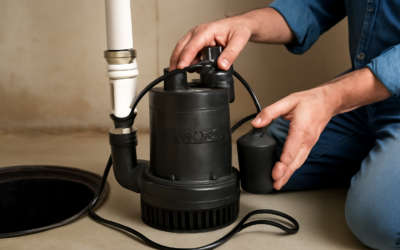
Dirty water pumps come in two body styles, and the choice affects both cooling and access. Submersible pumps sit fully in the pit, with the motor sealed in a waterproof housing. The surrounding water cools the motor and muffles noise, and the wider intake handles debris well, making submersibles the usual pick for dirty applications.
Pedestal pumps mount the motor on a shaft above the pit, drawing water up through an intake at the bottom. They cost less and are easier to service since the motor stays dry and accessible, but the narrower intake is more prone to clogging on debris and the exposed motor runs louder. For a genuinely dirty pit, a submersible with a solids-handling impeller is the more dependable choice.
Adding a Backup for Storm Protection
A single pump is a single point of failure, and dirty-water pits often flood during the same storms that knock out power. A backup system keeps your basement dry when the primary pump fails or the electricity goes down.
- Battery backup pump: A secondary pump with its own battery that kicks in during a power outage or if the main pump can’t keep up.
- Water-powered backup: Runs on municipal water pressure with no electricity, useful for long outages but not for well systems.
- High-water alarm: A float-triggered alarm that warns you before the pit overflows, giving you time to act.
Pair the backup with a maintenance schedule, and even a debris-heavy pit stays under control through the worst weather. Test both the primary and backup pumps at the start of each rainy season so you are never caught off guard by a failure during a real storm.
Choosing the Right Pump
Start by identifying the largest solids your pit collects, then pick a pump rated to pass them. Size horsepower to your inflow and lift, choose a fouling-resistant float, and favor cast-iron construction for durability. With the right dirty water sump pump matched to your conditions, you get dependable protection that keeps working when the debris and the water both come rushing in.