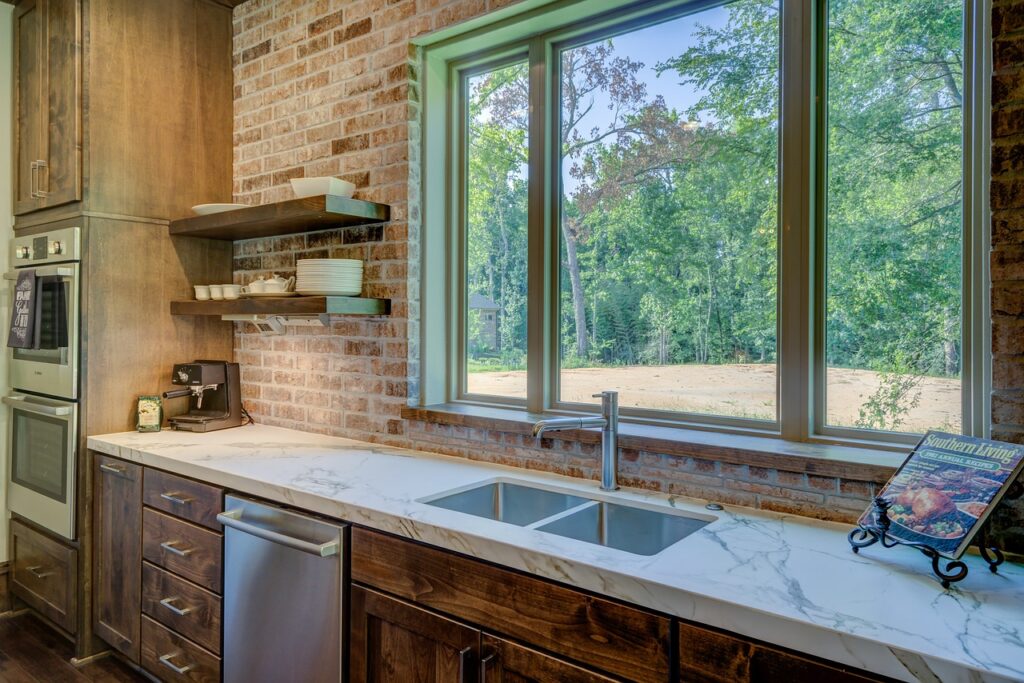
Water bubbling up through your sink drain or air gap while the dishwasher is running is alarming, but it almost always points to one of four specific problems. A dishwasher overflow into sink happens because dirty wash water from the dishwasher cannot reach the sewer line, so it backs up through the path of least resistance, which is your kitchen sink. Most homeowners can diagnose and fix this in under an hour without calling a plumber.
Here are the four most common causes, plus the step-by-step repair for each.
How the Drain Path Works
Understanding the plumbing makes troubleshooting much easier. A dishwasher drain line runs from the pump up to an air gap on the countertop or a high loop under the counter, then down to either a garbage disposal inlet or directly into the sink tailpiece. From there, dishwasher wastewater joins household drainage through the P-trap into the main waste line.
Any blockage along this path forces water to find another exit. The sink drain is the easiest escape, which is why overflows show up there even though the dishwasher is doing the pumping.
Cause 1: Clogged Air Gap
The most common culprit is the air gap, a small chrome cylinder on the countertop next to the faucet. The air gap prevents dirty drain water from siphoning back into the dishwasher. Food debris and grease build up inside the cap and the connecting hoses, restricting flow.
To diagnose, pop the chrome cap off the air gap by twisting and lifting. Lift out the plastic insert underneath. Look for buildup of food gunk and grease. If you find any, pull the air gap apart fully, rinse with hot water, and use a bottle brush to scrub the internal hoses.
- Disconnect the larger drain hose running from the air gap to the disposal or sink.
- Run a wire snake through the hose to clear blockages.
- Inspect the air gap inlet (smaller hose) for clogs.
- Reassemble and run a test cycle.
Air gap cleaning solves about 50 percent of overflow problems on its own.
Cause 2: Blocked Garbage Disposal Inlet
If the dishwasher drain hose connects to a garbage disposal, the small inlet port on the disposal can clog with debris. This is especially common in homes where the installer forgot to remove the disposal’s knockout plug, but even properly installed connections clog over time.
Unplug the disposal first for safety. Use a flashlight to look into the disposal grinding chamber and identify the dishwasher inlet on the side, usually about 1.5 inches in diameter. Use a long screwdriver or wooden chopstick to feel for buildup at the inlet and break it loose.
For deeper buildup, disconnect the dishwasher hose from the disposal nipple and clean the inside of the nipple with a stiff brush. Run the disposal with cold water for 30 seconds before reattaching to clear any loose debris.
Cause 3: Clogged Sink Drain or P-Trap
A partial blockage in the kitchen sink drain or P-trap creates pressure that forces dishwasher water back up. The sink itself may drain slowly even when the dishwasher is not running, which is the giveaway sign.
Place a bucket under the P-trap and unscrew the slip nuts. Empty and clean the trap. The most common gunk is solidified grease, hair from food scraps, and degraded food particles. Reassemble with a little plumber’s grease on the slip nut threads.
If the trap was clean, the clog is further down the drain line. Use a hand-cranked drain snake (Cobra 2700 at $30 or similar) to reach 15 to 25 feet into the line. Most kitchen clogs sit within the first 10 feet.
Cause 4: Improperly Installed Drain Hose
For dishwashers without an external air gap, the drain hose must form a high loop, fastened to the underside of the countertop at least 32 inches above the floor. This loop prevents wastewater from siphoning back into the dishwasher and also creates the back pressure that pushes water out efficiently.
Open the sink cabinet and look at the dishwasher drain hose. If it goes straight from the dishwasher down to the disposal without rising up first, that is your problem. Use zip ties or a hose support bracket to secure the hose so it runs high and then loops down.
A correctly looped hose touches the underside of the countertop at its highest point. The fix takes 10 minutes and prevents both overflow and the dirty water smell that some dishwashers develop.
Less Common Causes
Three less common issues can also cause overflows:
- Failed dishwasher check valve at the pump outlet, which allows backflow during the wash cycle
- Main sewer line clog affecting the kitchen branch, which usually also slows other drains in the house
- Improper venting at the kitchen vent stack, which creates pressure differences that push water back
If the four primary causes check out clean and the problem persists, these secondary causes warrant a closer look. The vent stack issue requires a plumber’s diagnosis.
Quick Diagnostic Test
Run this test to narrow the cause in under 10 minutes:
- Fill the sink with 4 inches of hot water and watch how fast it drains. Slow drainage indicates a sink clog.
- Open the air gap cap and check for water during a dishwasher drain cycle. Water spraying out means the downstream path is blocked.
- Disconnect the dishwasher hose from the disposal and let the dishwasher discharge into a bucket. If it discharges fine, the disposal or hose is the problem.
- Tap the side of the disposal during a cycle. A muffled sound versus a clear ring can indicate full buildup inside.
Prevention Tips
Run hot water at the sink for 30 seconds before starting the dishwasher. This clears the drain line and primes it with hot water that the dishwasher’s flow will keep moving. Scrape plates before loading instead of relying on the disposal to handle large debris.
Monthly maintenance includes running a cup of white vinegar through the dishwasher on the top rack during an empty hot cycle. This dissolves grease buildup inside the pump and drain hose before it becomes a clog.
When to Call a Plumber
If you have cleared the air gap, disposal inlet, P-trap, and confirmed a high drain loop without solving the overflow, the problem is downstream and worth professional help. A plumber’s auger can reach 75 feet into branch drains, well beyond DIY snake reach.
Expect to pay $200 to $400 for a kitchen drain clearing service. If the same overflow recurs within months, ask the plumber about hydro-jetting the line, which strips away years of grease buildup that augers leave behind.