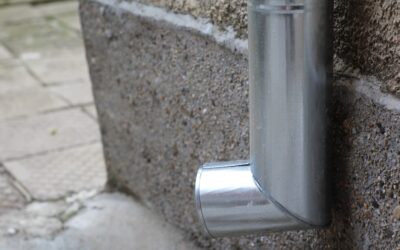
Standing water in the yard after every rainstorm kills grass, drowns shrubs, and sends moisture down into the foundation, which is where a $300 drainage project becomes a $30,000 basement repair. DIY backyard flooding solutions range from a $50 surface fix to a full French drain system, and most homeowners can install the right one in a weekend with tools rented from Home Depot. This guide walks through diagnosing the source of the water, the four drainage strategies that actually work, and the build steps for each.
Diagnose the Water Source First
Before you dig anything, figure out where the water comes from. The wrong fix for the wrong problem is the most common waste of weekends in suburban America.
- Roof runoff: Check that downspouts extend at least 6 feet from the foundation. Short downspouts dump 100-plus gallons of rain right against the house in a single storm.
- Surface slope: Walk the yard during a rainstorm. Where does water flow? Toward the house is a grading problem. Pooling in the middle is a soil compaction or low-spot problem.
- High water table: If standing water lingers even between storms or springs up from the ground after dry weeks, you may have groundwater intrusion.
- Neighbor’s drainage: Check whether the lot upgrade slopes water onto your property. This may be a legal matter, not a drainage one.
Solution 1: Extend Your Downspouts
The cheapest, fastest solution that solves the most problems is extending downspouts. A flexible black corrugated drain pipe, sold in 25-foot rolls for $20 at any big box, clamps to your existing downspout and routes water at least 10 feet from the foundation.
For a cleaner look, bury the extension in a 12-inch trench and connect it to a 4-inch PVC pipe sloped at 1/8 inch per foot toward the outlet. Cap the outlet with a pop-up emitter ($10) that opens under water pressure and closes when dry to keep rodents out.
One afternoon of work, $80 to $150 in materials, and a 4-foot Husky trenching shovel are all you need.
Solution 2: Build a French Drain
For chronic low spots that hold water across the yard, a French drain is the gold standard. The system is essentially a perforated pipe buried in a gravel-filled trench that collects subsurface water and routes it to a discharge point.
- Mark the route from the wet area to a daylight outlet, a dry well, or a storm drain that legally accepts surface water. Maintain a 1 percent slope, or 1 foot of drop per 100 feet of run.
- Dig the trench 24 inches deep and 12 inches wide. A rental walk-behind trencher from Sunbelt or United Rentals costs about $180 a day and turns a brutal week of pick-and-shovel work into 4 hours.
- Lay landscape fabric along the trench, leaving enough overhang to wrap the gravel after pipe installation. NDS or Mirafi nonwoven fabric resists clogging better than the bargain rolls.
- Add 3 inches of 3/4-inch washed gravel at the trench bottom, then lay 4-inch perforated PVC pipe with holes facing down. Sock the pipe with a fabric sleeve if you have silty soil.
- Fill the trench with washed gravel to within 4 inches of the surface. Fold the landscape fabric over the gravel.
- Top with 3 to 4 inches of soil and reseed, or cover with mulch or river rock for an exposed drain.
A 50-foot French drain costs roughly $400 to $700 in materials and 8 to 12 hours of labor for one DIYer.
Solution 3: Install a Dry Well
If your French drain has no daylight discharge point, a dry well buys you a buffer to absorb water back into the soil. A dry well is a large buried chamber filled with gravel that catches drainage and lets it percolate into the surrounding soil over hours or days.
Prefab dry wells from Flo-Well or NDS hold 50 gallons each and stack to expand capacity. For a typical 1,200-square-foot roof, plan on 200 to 400 gallons of dry well storage to handle a 1-inch rain event. Dig the well 4 to 5 feet deep into well-draining native soil. Heavy clay does not work for dry wells. Check soil percolation with a simple bucket test before committing.
Solution 4: Carve a Swale
A swale is a shallow, vegetated channel that moves surface water along a controlled path. Swales work brilliantly in sloped yards where French drains would require deep trenching across the entire run.
Dig a broad, shallow ditch about 18 to 24 inches wide and 6 to 10 inches deep. Slope it consistently toward your outlet. Seed the swale with deep-rooted grasses like blue fescue or buffalo grass that tolerate seasonal saturation. The vegetation slows water flow, filters sediment, and prevents erosion.
For a more decorative version, line the swale with river rock or build a rain garden along its length using natives like Joe Pye weed, swamp milkweed, and switchgrass. A 50-foot decorative swale costs about $200 in plants, $150 in mulch, and a weekend of digging.
Regrade for Persistent Foundation Issues
If your yard slopes toward the house, no drain system will fully solve the problem. Building code calls for a minimum 6-inch drop within the first 10 feet from the foundation, which is roughly 5 percent slope.
To correct grading, add clean fill dirt (not topsoil) against the foundation, compact in 2-inch lifts with a rented Husky plate compactor, and top with 4 inches of topsoil before seeding or laying sod. Avoid building grade above the bottom course of siding or above any weep holes in brick veneer, which would defeat the wall’s drainage system.
What Not to DIY
Some flooding problems demand a professional. Connecting to a municipal storm sewer requires permits and inspection in nearly every US jurisdiction. Tying into a sanitary sewer for any stormwater discharge is illegal almost everywhere. Disturbing wetlands, regulated waters, or floodplain soils can trigger federal fines.
If your situation involves a high water table approaching foundation depth, an interior weeping tile installation in the basement is a contractor job. The same goes for any work requiring excavation deeper than 4 feet, which OSHA mandates be shored or sloped for safety.
Maintenance Keeps Drains Working
French drains clog with sediment over time. Inspect the cleanout fittings annually and flush with a garden hose. Dry wells fill with leaf litter through the inlet grate. Clear the grate each fall before leaves drop heavily. Swales need periodic mowing and reseeding of bare spots.
A properly designed system installed correctly will last 25 to 40 years. A cheap one done wrong fails within 5 and floods worse than the original problem. Invest in washed gravel, sock the pipe, and never skip the landscape fabric.