A wall of shelves built in a weekend costs $80-$200 in materials and adds storage that a furniture-store bookcase cannot match for the price. The best DIY shelving ideas balance load capacity, visual weight, and tool requirements so that a beginner with a drill can finish them on a Saturday. This guide walks through eight proven designs, each with material lists, real prices, weight limits, and the skills required. Pick the one that matches your tool kit and skill level rather than the one that photographs best on Pinterest.
- 1. Floating Shelves with Hidden Brackets
- 2. Pipe and Wood Industrial Shelves
- 3. Cleat-Mounted Bookshelves
- 4. Bracket Shelves with Cast Iron Corbels
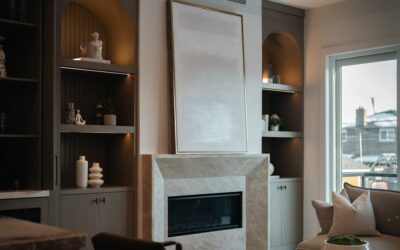
- 5. Built-In Bookshelves Around a Doorway
- 6. Wall-Mounted Crate Shelves
- 7. Hanging Rope Shelves
- 8. Closet Wire Shelving Upgrade
- Hardware Tips That Apply to All Designs
1. Floating Shelves with Hidden Brackets
Floating shelves are the cleanest look in any DIY shelving project. The shelf appears to hover with no visible support because steel rod brackets like the Ekena Millwork Steel Floating Shelf Bracket ($28 per pair) anchor into the studs and slide into pre-drilled holes in the shelf back.
Build a 36 inch floating shelf using a 2×10 select pine board ($22) and three brackets ($42). Total cost $64 plus a quart of finish. Weight capacity is 50-80 pounds per shelf when anchored into two studs. Drill the rod holes with a 1/2 inch spade bit, going 4 inches deep into the shelf back. Skill level: intermediate. Time: 3 hours per shelf.
2. Pipe and Wood Industrial Shelves
Black iron pipe paired with stained pine boards delivers a popular industrial look at modest cost. A 5-shelf unit 36 inches wide and 72 inches tall needs four 1/2 inch pipes (6 ft each, $14 each), ten flanges ($4 each), twenty elbows ($3 each), and five 1×10 pine shelves ($14 each).
Total material cost runs $180-$220. Weight capacity per shelf is 40-60 pounds with the pipe anchored into a wall stud. Stain the boards with Minwax Special Walnut ($12) and clear-coat with Minwax Wipe-On Poly. Skill level: beginner. Time: half a day including drying time between finish coats.
3. Cleat-Mounted Bookshelves
French cleat shelves hang from a beveled rail screwed into studs. The shelf carries a matching beveled cleat on the back. This system makes shelves removable, repositionable, and capable of holding very heavy loads. A pair of 1×4 cleats cut at 45 degrees on a table saw locks together when the shelf hangs.
For a 48 inch cleat shelf, use two 8-foot 1×4 boards ($16) and a single 1×12 plank for the shelf surface ($24). Weight capacity exceeds 100 pounds when the cleat is anchored into two studs with 3 inch screws. Skill level: intermediate (requires a table saw). Time: 4 hours including finish.
4. Bracket Shelves with Cast Iron Corbels
The classic bracket shelf is the easiest DIY shelving idea on this list. Mount two cast iron or steel brackets to studs, lay a board on top, and you are done in 30 minutes. Brackets from Hickory Hardware, Lewis Hyman, and Rejuvenation range from $12 to $45 each depending on size and finish.
A 36 inch bracket shelf using a 1×10 pine board ($14), two 8 inch brackets ($28 total), and four 2.5 inch screws ($2) costs $44 total. Weight capacity is 25-40 pounds depending on bracket size. Skill level: beginner. Time: 30-45 minutes.
5. Built-In Bookshelves Around a Doorway
Custom built-ins around an interior doorway add storage and architectural interest. The frame is made from 3/4 inch birch plywood ($60 per 4×8 sheet) with a face-frame of 1×2 poplar ($8 per 8-ft length). Shelves are dadoed or set on adjustable shelf pins.
A doorway built-in with two 12 inch deep towers and a header bridge typically uses 1.5 sheets of plywood ($90), poplar trim ($45), shelf pins ($12), and primer plus paint ($60). Total around $210. Weight capacity 80-120 pounds per shelf. Skill level: advanced. Time: 2 weekends.
6. Wall-Mounted Crate Shelves
Plain wooden crates from craft stores or Home Depot ($14-$22 each) mount directly to studs with 3 inch screws driven through the back panel. Stack and offset 3-6 crates into a modular wall arrangement. The interiors hold books, baskets, or decor items.
A 5-crate wall arrangement costs $90-$110 and assembles in under an hour. Weight capacity per crate is 30-40 pounds. Stain with Varathane Weathered Gray ($9) for a farmhouse look or paint with Behr Marquee for a modern feel. Skill level: beginner. Time: 1 hour plus drying.
7. Hanging Rope Shelves
For lightweight items like plants or paperbacks, hanging rope shelves bring movement and texture to a blank wall. The structure: two ceiling hooks anchored into joists, 12 feet of 1/2 inch sisal or cotton rope, and 2-3 shelf boards drilled with 5/8 inch holes near each corner.
A 3-tier hanging shelf using cedar 1×6 boards ($18), 12 ft of cotton rope ($14), and two heavy-duty ceiling hooks ($8) totals $40. Weight capacity is 15-25 pounds per shelf when the ceiling anchors hit solid joists. Skill level: beginner. Time: 2 hours.
8. Closet Wire Shelving Upgrade
If your closet currently has the original builder-grade wire shelf, upgrading to a fitted wood system transforms storage. ClosetMaid Selectives, Easy Track, and Rubbermaid Configurations all sell modular kits at $120-$400 for a single closet. Custom builds with melamine shelves from Home Depot run $180-$300.
Plan around your actual wardrobe inventory. Measure how many feet of hanging rod, how many shelves, and how many drawer units you need before buying. Weight capacity for wall-mounted closet systems is 50-75 pounds per linear foot when anchored properly into studs. Skill level: intermediate. Time: 4-6 hours per closet.
Hardware Tips That Apply to All Designs
Use a stud finder like the Franklin ProSensor 710 ($60) to locate framing. Anchor every shelf bracket into a stud whenever possible; toggle anchors and EZ Anchors are backup options for spans that miss studs. A laser level like the Bosch GLL30 ($35) saves dozens of measurements when installing multiple shelves at once.
Pre-drill pilot holes for all screws driven into hardwoods to avoid splitting. Match screw length to material thickness; a 3 inch screw is standard for fastening brackets through 1/2 inch drywall into a 2×4 stud. For loads above 50 pounds per shelf, step up to lag bolts and washers.