Kibble starts losing fat-soluble vitamins within two weeks of opening the bag, and the oils that coat each piece can go rancid in six. The right dog food storage ideas are not just about a tidy kitchen; they protect your dog’s nutrition and stop the pantry moths, mice, and ants that follow open pet food. Plastic, stainless steel, glass, and clever cabinet conversions all have a place. The right choice depends on your dog’s size, your home layout, and whether you store dry, wet, or fresh food.
Why Storage Matters More Than You Think
Dry kibble is preserved with mixed tocopherols (a vitamin E blend) or, in cheaper foods, BHA and BHT. Both protect the fats coating each piece from oxidation. Once you open the bag, exposure to oxygen, light, and humidity triggers oxidation, which produces off flavors, kills probiotics, and degrades omega-3 oils that support skin and joint health.
The Association of American Feed Control Officials recommends using opened kibble within 6 weeks. Bag-in-bag storage (keeping food in its original bag inside an airtight container) preserves freshness longer than dumping kibble loose into a bin, because the original bag is lined with a fat barrier you cannot replicate.
Best Materials for Long-Term Freshness
- Stainless steel: nonreactive, scratch resistant, blocks light. Best overall
- Food-grade plastic (BPA-free): light and affordable, but can absorb fat over time
- Glass: inert and beautiful, but heavy and breakable for big bags
- Galvanized steel: looks great but reacts with food acids; line with a bag
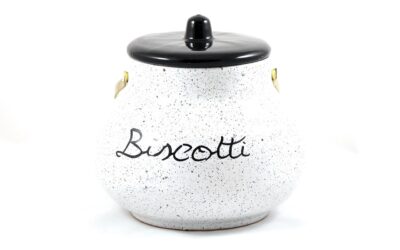
- Ceramic crocks: good for small breeds; limited capacity (2-5 lbs)
Smart Dog Food Storage Ideas by Home Layout
For small kitchens, a pull-out drawer container under the counter saves floor space. Vremi 33-quart bins fit standard 24-inch drawers and hold roughly 25 pounds of medium kibble. Pair it with a flip-top lid to feed without removing the bin.
For larger homes, a dedicated pet station inside a butler’s pantry or laundry room works best. Mount a 35-pound capacity gamma-seal bin (around $40) on a rolling base. The screw-on lid creates an airtight seal that beats snap-lock plastic by roughly 2x in oxygen exclusion tests.
Hidden Built-In Solutions
Custom cabinet inserts are the cleanest looking option. A pull-out trash cabinet retrofit fits two 30-quart bins side by side, perfect for dry food and treats. Companies like Rev-A-Shelf sell ready-made hardware kits ($75-150) that mount in standard 18-inch base cabinets. The kibble stays out of sight and at counter height for easy scooping.
Wet Food and Fresh Food Storage
Opened canned food keeps 5-7 days in the refrigerator with a snap-on can topper, around $6 for a multipack. Decant into a glass container if you can smell metal on day three. For fresh prepared food brands like Farmer’s Dog, The Honest Kitchen, or homemade recipes, divide weekly portions into glass meal-prep containers and freeze what will not be used within 3 days. Thaw overnight in the fridge.
Raw diets demand stricter handling. Store at 40°F or below in the refrigerator and use within 2-3 days. Anything beyond that should be frozen at 0°F. Keep raw containers separated from human food and sanitize bowls daily with hot soapy water.
Pest Prevention
Indian meal moths, ants, and rodents all target pet food. The single most effective deterrent is an airtight gasket-sealed container made of metal or thick plastic. Avoid storing bags in the garage, where temperature swings condense moisture inside the bag and accelerate spoilage. If you must use the garage, choose a hard-sided bin elevated on a 2-inch pallet.
For mice, no plastic container is fully chew-proof. Use stainless steel or galvanized cans with locking lids. A 20-gallon Behrens galvanized can ($35) holds a 30-pound bag of food and survives almost any rodent pressure.
Travel and Portion Storage
For day trips, silicone collapsible containers (~$10) hold 2-3 days of kibble and squash flat when empty. For longer travel, vacuum-seal individual meal bags using a FoodSaver, then thaw or open one bag per day. This system keeps food fresh up to 6 months and prevents the mess of a half-spilled bag in a car trunk.
If you board your dog or use daycare, label each bag with feeding instructions and a date. Pre-portioned bags are also useful for sitters and reduce the chance of accidental overfeeding.
Smart Storage Habits That Extend Shelf Life
- Buy bag sizes your dog will finish in 4-6 weeks, not bulk packs
- Keep the original bag and store it inside the container
- Note the manufacturer’s “best by” date on the lid with a marker
- Wash containers with hot soapy water between bags; oily residue goes rancid
- Store at 50-70°F, away from direct sun and heat sources
- Keep treats in a separate small container to limit big-bin opens
Good dog food storage ideas combine an airtight container, the right material, and the right location. Spend $30-60 once on a quality bin, keep food in its original bag, and your dog gets the full nutritional value the manufacturer designed, without the moths or mice finding it first.
Creative Decanting Stations
For households with multiple dogs or premium kibble, a custom feeding station combines storage and serving. A counter-height cabinet with two stacked pull-out bins below and a cubby for measuring scoops works in about 24 inches of width. Add a small shelf for treats and supplements at adult eye-level so kids cannot reach them. Total DIY cost: $200-400 with off-the-shelf cabinet boxes and minor woodworking.
Multi-pet homes benefit from labeling. Stick magnetic chalkboard tags on each container with the dog’s name, food brand, daily portion, and best-by date. This eliminates feeding mistakes when sitters or family members handle meals.
Where Not to Store Dog Food
- Garages with no climate control: heat shortens shelf life by 30-50 percent
- Basements with humidity over 60 percent: mold and pantry moths thrive there
- Direct sunlight: degrades fats and vitamins within weeks
- Near cleaning chemicals or paint: kibble absorbs ambient odors
- Unsealed plastic bins from non-food-grade plastic: off-gasses into the food