When you need to condition two rooms independently without running ductwork, a two-zone ductless system is often the ideal answer. A dual zone mini split connects two indoor air handlers to a single outdoor condenser, letting you set different temperatures in each space while sharing one compressor. This guide covers sizing, costs, installation, and how to decide if a two-zone system fits your home.
- How a Dual Zone System Works
- Indoor Unit Types
- Sizing the System by BTU
- Understanding Oversizing Limits
- Efficiency Ratings
- What It Costs
- The Installation Process
- Ideal Applications
- Cold-Weather Performance
- Dual Zone vs. Two Single-Zone Systems
- Line Set Length and Placement
- Rebates, Tax Credits, and Payback
- Comfort Features Worth Considering
- Maintenance
How a Dual Zone System Works
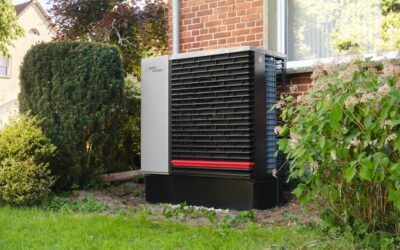
A single outdoor condenser links by refrigerant lines to two indoor units, each mounted in a separate room. Each indoor unit has its own thermostat and remote, so one room can cool while the other heats or stays off. Because it is a heat pump, the same system provides both heating and cooling, drawing heat from outside air even in cold weather. The outdoor unit modulates its output to match the combined demand of the two zones.
Indoor Unit Types
The two indoor heads do not have to be identical. Options include:
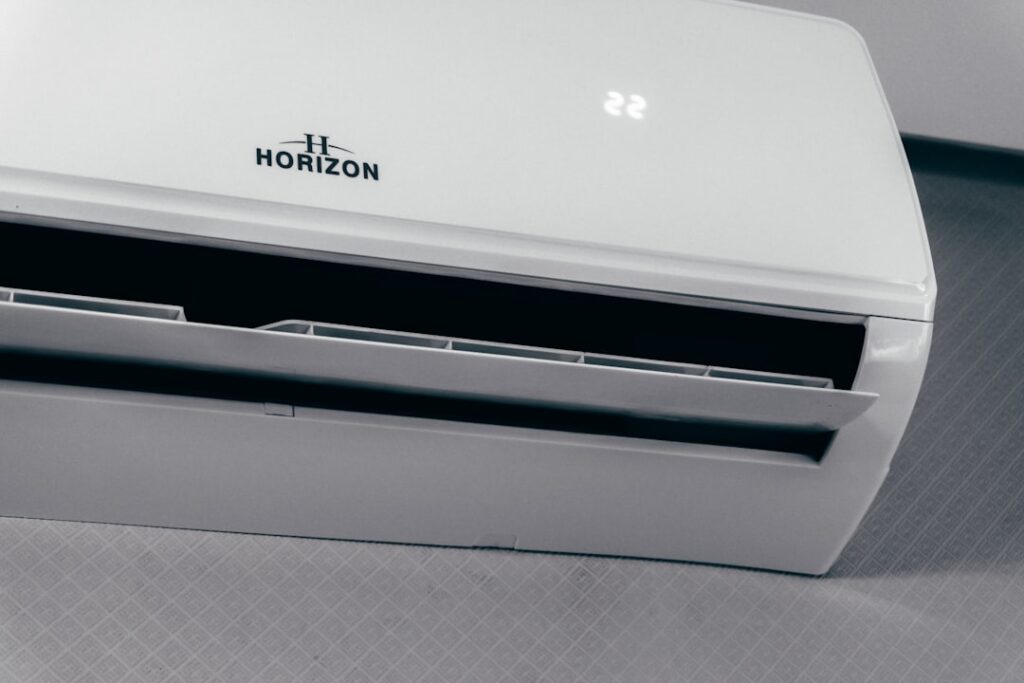
- Wall-mounted: The most common and least expensive, mounted high on a wall.
- Ceiling cassette: Recessed into the ceiling for a cleaner look, good for larger rooms.
- Floor-mounted: Sits low on the wall, useful under windows or where wall space is limited.
- Concealed duct: A short-run ducted head hidden in a ceiling to serve a small area.
You can mix types across the two zones to suit each room.
Sizing the System by BTU
Each zone is sized independently by its cooling and heating load, measured in BTU. Common indoor head sizes are 6,000, 9,000, 12,000, 18,000, and 24,000 BTU. A rough guide is 20 to 30 BTU per square foot depending on insulation, ceiling height, sun exposure, and climate. For example, a 300-square-foot bedroom might need a 9,000 BTU head, while a 500-square-foot living room might need 12,000. The outdoor unit is sized to cover the combined load, though most systems allow modest oversizing of the heads.
Understanding Oversizing Limits
A key detail with multi-zone systems is that the outdoor condenser has a rated capacity, and the sum of the indoor heads can exceed it somewhat because both zones rarely run at full output simultaneously. However, oversizing individual heads too much leads to short cycling, poor humidity control, and reduced efficiency. Getting a proper load calculation, ideally a Manual J, rather than guessing keeps the system comfortable and efficient.
Efficiency Ratings
Mini splits are rated by SEER2 for cooling and HSPF2 for heating. Higher numbers mean lower operating costs. Quality dual zone systems reach SEER2 ratings in the high teens to low twenties. Inverter-driven compressors, standard on modern mini splits, ramp up and down smoothly instead of cycling on and off, which saves energy and holds temperatures steady. Look for ENERGY STAR models to qualify for utility rebates and federal tax credits.
What It Costs
A dual zone mini split is a meaningful investment:
- Equipment only: roughly $2,000 to $4,000 depending on capacity and brand.
- Professional installation: typically adds $2,000 to $5,000.
- Total installed: commonly $4,000 to $8,000 for a quality two-zone system.
DIY-friendly kits with pre-charged line sets cost less but require care and may affect warranties. Federal tax credits and local utility rebates can offset a significant portion of the cost for high-efficiency heat pump systems.
The Installation Process
A professional installation generally follows these steps:
- Mounting the two indoor units and the outdoor condenser.
- Drilling small penetrations for the refrigerant lines, condensate drain, and control wiring.
- Running and connecting the line sets to each indoor head.
- Pulling a vacuum on the lines to remove moisture and air.
- Releasing the refrigerant charge and commissioning the system.
Refrigerant handling requires EPA Section 608 certification, which is one reason most homeowners hire a licensed HVAC contractor even when a system is marketed as DIY-friendly.
Ideal Applications
A two-zone system shines in situations like:
- A primary bedroom and a home office that need independent control.
- An addition or converted garage plus an adjacent room without ductwork.
- An upstairs and downstairs that heat and cool unevenly.
- Homes with no existing ducts where full ductwork would be costly and disruptive.
If you need to condition just one room, a single-zone unit is cheaper; for three or more rooms, a multi-zone system with three to five heads may be more appropriate.
Cold-Weather Performance
Modern cold-climate mini splits provide effective heating well below freezing, with many rated to deliver substantial capacity down to minus 5 or even minus 15 degrees Fahrenheit. If you rely on the system as primary heat in a cold region, choose a cold-climate-rated model and confirm its low-temperature capacity, since heat output drops as outdoor temperatures fall.
Dual Zone vs. Two Single-Zone Systems
A common question is whether to buy one dual zone system or two separate single-zone units. A single dual zone condenser saves outdoor space, uses one electrical circuit, and often costs less to install than two complete systems. However, two independent single-zone units offer full redundancy, if one fails the other keeps running, and each can be individually optimized and sometimes achieves higher efficiency. If outdoor space and budget are tight and the two rooms are close together, a dual zone is usually the better value. If the rooms are far apart or you want redundancy, two single-zone systems can make more sense.
Line Set Length and Placement
The refrigerant line sets connecting each indoor head to the condenser have maximum length and height limits that affect where you can place units. Longer runs slightly reduce efficiency and may require additional refrigerant. Planning the shortest practical routes, and locating the condenser roughly central to the two indoor heads, keeps performance strong and installation cleaner. If a room is far from the outdoor unit, discuss the line length with your installer, since exceeding the manufacturer’s limit hurts performance and can void the warranty.
Rebates, Tax Credits, and Payback
High-efficiency dual zone heat pump systems frequently qualify for federal tax credits and local utility rebates that can total thousands of dollars, substantially improving the payback period. Because a heat pump both heats and cools efficiently, replacing window units and electric baseboard heat with a dual zone system can meaningfully lower monthly energy bills. When comparing quotes, ask each contractor which incentives apply to the specific equipment, since only ENERGY STAR-qualified models generally qualify, and the paperwork is easiest to handle at the time of installation.
Comfort Features Worth Considering
Beyond basic heating and cooling, modern dual zone systems offer comfort features that add real value. Look for units with a dehumidification or dry mode that removes humidity without overcooling, useful in muggy climates. Wi-Fi controls let you adjust each zone from your phone and set schedules, so bedrooms warm before you wake and cool before bedtime. Some units include air-purifying filters, quiet-night modes that dim lights and lower fan noise, and motion sensors that direct airflow toward or away from occupants. These features vary by brand and model, so if any matter to you, confirm they are included, since the difference in everyday comfort can be significant for a system you live with for over a decade.
Maintenance
Mini splits are low-maintenance but not maintenance-free. Clean the washable indoor filters monthly, keep the outdoor unit clear of leaves and snow, and have a technician check refrigerant levels and clean the coils every year or two. A yearly cleaning of the indoor blower wheel prevents mold and keeps airflow strong. Neglected filters are the number one cause of weak performance.
A dual zone mini split delivers independent, efficient heating and cooling for two rooms from a single outdoor unit, making it ideal for additions, uneven floors, and homes without ductwork. Size each zone with a proper load calculation, choose a high-efficiency inverter model with cold-climate ratings if you need winter heat, and have it professionally installed and charged. Done right, it provides years of quiet, comfortable, room-by-room climate control.