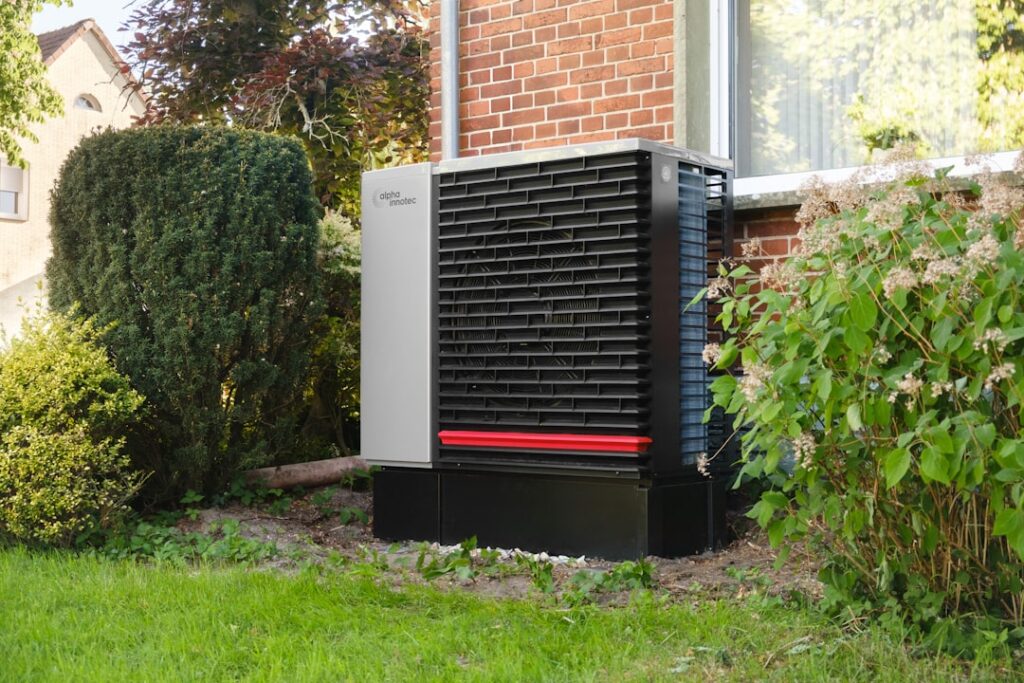
Heat pump capacity is measured in tons, and the 3-ton size is one of the most common choices for average American homes. A 3 ton heat pump provides both heating and cooling for a house of roughly 1,500 to 1,800 square feet, making it a workhorse of residential HVAC. This guide explains what 3 tons means, how to know if it fits your home, and what to expect for efficiency and cost.
- What “3 Ton” Actually Means
- What Size Home It Suits
- Why Correct Sizing Matters
- Efficiency Ratings to Understand
- What a 3 Ton Heat Pump Costs
- Single-Stage, Two-Stage, and Variable Speed
- Heating in Cold Weather
- Ductwork and Airflow
- Installation and Refrigerant Safety
- Backup and Auxiliary Heat
- Matching the Indoor Unit
- Lifespan and When to Replace
- Rebates, Tax Credits, and Payback
- Maintenance for Long Life
What “3 Ton” Actually Means
A ton of cooling equals 12,000 BTU per hour, so a 3-ton heat pump moves 36,000 BTU of heat per hour. The term dates back to the cooling power of a ton of melting ice. It has nothing to do with the unit’s weight. Because a heat pump both heats and cools, that 36,000 BTU rating applies to summer cooling, with heating capacity varying by outdoor temperature.
What Size Home It Suits
A common rule of thumb is 400 to 600 square feet per ton, which puts a 3-ton unit at roughly 1,200 to 1,800 square feet. In practice the right size depends on far more than floor area:
- Insulation levels in walls, attic, and floors.
- Window quantity, quality, and orientation.
- Ceiling height and home layout.
- Local climate and design temperatures.
- Air sealing and ductwork condition.
A tight, well-insulated 1,800-square-foot home may be perfectly matched to 3 tons, while a leaky older home of the same size might need more capacity.
Why Correct Sizing Matters
Bigger is not better with heat pumps. An oversized unit cools quickly, then shuts off before removing humidity, leaving the home cold and damp, and the frequent cycling wears the compressor and wastes energy. An undersized unit runs constantly and never quite keeps up on the hottest or coldest days. The only reliable way to size correctly is a Manual J load calculation, which accounts for your home’s specific characteristics rather than guessing from square footage alone.
Efficiency Ratings to Understand
Heat pump efficiency is described by three main ratings:
- SEER2: Seasonal cooling efficiency. Higher is better; modern units range from about 14 to over 20.
- HSPF2: Seasonal heating efficiency. Higher means cheaper winter heating.
- EER2: Efficiency at peak conditions, useful in hot climates.
A higher SEER2 unit costs more up front but less to run. In a moderate climate, a SEER2 in the mid-teens is a sensible balance; in a hot climate, paying for higher efficiency pays back faster.
What a 3 Ton Heat Pump Costs
Pricing varies with efficiency, brand, and installation complexity:
- Equipment alone: roughly $2,500 to $5,000.
- Installed with an air handler or coil and labor: commonly $5,500 to $10,000.
- High-efficiency variable-speed models push toward the upper end or beyond.
Federal tax credits and utility rebates for qualifying high-efficiency heat pumps can offset a substantial portion, sometimes several thousand dollars, improving the payback.
Single-Stage, Two-Stage, and Variable Speed
Three-ton heat pumps come in different compressor types. Single-stage units run at full output whenever on and are the cheapest. Two-stage units have a lower gear for milder conditions, improving comfort and efficiency. Variable-speed (inverter) units modulate output continuously, delivering the best comfort, humidity control, and efficiency at the highest price. For most homes, two-stage offers a good balance, while variable speed suits those prioritizing comfort and low bills.
Heating in Cold Weather
A heat pump’s heating output falls as outdoor temperatures drop, so a 3-ton unit delivers less than 36,000 BTU of heat in deep cold. In cold climates, choose a cold-climate-rated model that maintains capacity below freezing, and consider backup heat such as electric strips or a dual fuel gas furnace for the coldest days. In mild and moderate climates, a standard 3-ton heat pump handles winter heating on its own.
Ductwork and Airflow
A 3-ton system moves roughly 1,200 cubic feet of air per minute, and the ductwork must be sized to carry it. Undersized or leaky ducts choke airflow, hurt efficiency, and cause uneven temperatures. Before installing a new heat pump, have the ducts inspected for sizing, leaks, and insulation. Sealing and correcting ducts often improves comfort more than upsizing the equipment.
Installation and Refrigerant Safety
Installing a heat pump involves setting the outdoor condenser, connecting the indoor coil or air handler, running and evacuating refrigerant lines, charging the system precisely, and commissioning the controls. Correct refrigerant charge is critical to both efficiency and longevity. Refrigerant handling requires EPA Section 608 certification, so this is licensed professional work, not a DIY project.
Backup and Auxiliary Heat
Because a heat pump’s output falls in cold weather, most systems include backup heat for the coldest days. In an all-electric setup, this is usually electric-resistance strips in the air handler, which are effective but expensive to run. Alternatively, a 3-ton heat pump can be paired with a gas furnace in a dual fuel arrangement, switching to gas when temperatures drop below the point where the heat pump is economical. Which backup you choose depends on your climate, your electricity and gas prices, and whether you already have a gas line. In mild climates, minimal backup is needed; in cold regions, plan for it deliberately.
Matching the Indoor Unit
A 3-ton outdoor heat pump must be paired with a properly matched indoor coil or air handler. Mismatched components hurt efficiency, can prevent the system from reaching its rated SEER2, and may void the warranty. The indoor blower must move the right airflow, roughly 1,200 cubic feet per minute for 3 tons, and the coil must be sized to the condenser. Reputable installers quote matched, AHRI-certified system pairings rather than mixing random components. When replacing just the outdoor unit, confirm the existing indoor coil is compatible, since an old, mismatched coil can undermine a new high-efficiency condenser.
Lifespan and When to Replace
A well-maintained 3-ton heat pump typically lasts 12 to 15 years, sometimes longer in mild climates or with diligent care. Signs it is nearing the end include rising energy bills, frequent repairs, uneven comfort, and refrigerant leaks. Because heat pumps run year-round for both heating and cooling, they accumulate more hours than a cooling-only air conditioner, which can shorten their service life somewhat. When repair costs start approaching half the price of a new system, or the unit uses an obsolete refrigerant, replacement with a modern high-efficiency model usually makes more financial sense than continued repairs.
Rebates, Tax Credits, and Payback
High-efficiency heat pumps qualify for meaningful financial incentives that improve the value proposition of a 3-ton system. Federal tax credits reward qualifying ENERGY STAR heat pumps, and many electric utilities offer rebates on top, sometimes totaling several thousand dollars combined. Because a heat pump replaces both a furnace and an air conditioner with a single efficient system, and moves heat rather than generating it, the operating savings accumulate year after year. When comparing quotes, ask each contractor which incentives apply to the specific model, since only qualifying equipment is eligible. Factoring in credits, rebates, and lower monthly bills, a properly sized high-efficiency 3-ton heat pump often pays back its premium over a standard system within several years.
Maintenance for Long Life
To keep a 3-ton heat pump running efficiently:
- Change or clean the air filter every one to three months.
- Keep the outdoor unit clear of leaves, snow, and debris.
- Have a technician check refrigerant, clean coils, and inspect electricals annually.
- Watch for ice buildup or unusual noises that signal a problem.
Regular service preserves efficiency and helps the unit reach its typical 12- to 15-year lifespan or beyond.
A 3 ton heat pump is a versatile, efficient choice for average-sized homes, delivering both heating and cooling for roughly 1,500 to 1,800 square feet when properly sized. Insist on a Manual J load calculation rather than a square-footage guess, choose an efficiency level and compressor type suited to your climate and budget, ensure your ductwork can handle the airflow, and have it professionally installed and maintained. Sized and installed correctly, it provides comfortable, economical year-round climate control for well over a decade.