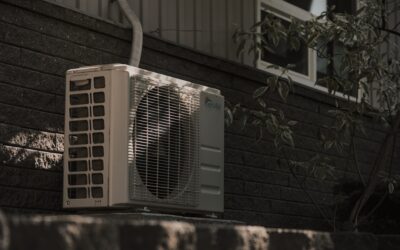
If you have ever wondered how does heat pump work in a modern home, the short answer is that it moves heat rather than creating it. Instead of burning fuel like a furnace, a heat pump transfers thermal energy from one place to another using a refrigerant, a compressor, and a reversing valve. This makes it one of the most efficient ways to both heat and cool a house.
- The Basic Principle: Moving Heat, Not Making It
- The Four Core Components
- The Refrigeration Cycle Step by Step
- Heating Mode and the Reversing Valve
- Types of Heat Pumps
- Understanding Efficiency Ratings
- Defrost Cycles in Cold Weather
- Auxiliary and Backup Heat
- Installation Considerations
- Operating Costs and Savings
- Maintenance to Keep It Efficient
- Common Problems and Troubleshooting
- Mistakes to Avoid
- Ducted vs Ductless Distribution
- Variable-Speed Inverter Technology
- Refrigerants and Environmental Rules
- How Climate Affects Performance
- The Bottom Line
The Basic Principle: Moving Heat, Not Making It
A heat pump exploits a simple physical fact: heat naturally flows from warmer objects to cooler ones, and refrigerant can be manipulated to absorb or release heat as it changes between liquid and gas. Even air at 35 degrees Fahrenheit contains usable thermal energy. The system captures that energy outdoors and delivers it indoors in winter, then reverses the flow in summer. Because it relocates heat instead of generating it, a heat pump can deliver two to four units of heat energy for every unit of electricity it consumes.
The Four Core Components
Every air-source heat pump relies on four main parts. The compressor pressurizes refrigerant and drives it through the system. The condenser coil releases heat. The evaporator coil absorbs heat. An expansion valve, or metering device, drops the refrigerant pressure so it can cool sharply. A reversing valve, unique to heat pumps, allows the outdoor and indoor coils to swap roles between heating and cooling seasons.
The Refrigeration Cycle Step by Step
In cooling mode, liquid refrigerant enters the indoor evaporator coil at low pressure. Warm indoor air blows across the coil, and the refrigerant absorbs that heat and boils into a gas around 40 to 50 degrees Fahrenheit. The compressor then squeezes the gas, raising its temperature to well over 150 degrees. This hot gas travels to the outdoor condenser coil, where a fan blows outdoor air across it and the refrigerant dumps its heat and condenses back into a liquid. The expansion valve drops the pressure, and the cold liquid returns indoors to start again.
Heating Mode and the Reversing Valve
When you set the thermostat to heat, the reversing valve flips the refrigerant flow. Now the outdoor coil acts as the evaporator, pulling heat from the cold outside air, and the indoor coil becomes the condenser, releasing that heat into your ductwork. It seems counterintuitive to harvest heat from freezing air, but as long as the refrigerant is colder than the outdoor air, heat still transfers. This is why a heat pump can keep working even in below-freezing weather.
Types of Heat Pumps
Air-source heat pumps are the most common and least expensive, typically costing $4,000 to $8,000 installed. Ductless mini-splits serve homes without ductwork and use individual wall-mounted air handlers. Geothermal, or ground-source, heat pumps circulate fluid through buried loops that tap the stable 50-degree temperature of the earth; they are far more efficient but can cost $15,000 to $35,000 to install. Water-source units draw from a pond or well where available.
Understanding Efficiency Ratings
Cooling efficiency is measured by SEER2, with modern units ranging from 14 to 22 or higher; a higher number means lower cooling bills. Heating efficiency uses HSPF2, typically 7.5 to 10. A rating called COP, or coefficient of performance, expresses the ratio of heat delivered to electricity used. A COP of 3.0 means the unit delivers three times more heat energy than the electrical energy it draws, a level no gas furnace can match.
Defrost Cycles in Cold Weather
During heating, frost can build on the outdoor coil because it runs colder than the surrounding air. To clear it, the unit briefly reverses into cooling mode, warming the outdoor coil to melt the ice while auxiliary heat keeps the house comfortable. You may see steam rising from the outdoor unit and hear a whoosh; this is normal and usually lasts just a few minutes.
Auxiliary and Backup Heat
When outdoor temperatures drop below roughly 25 to 30 degrees Fahrenheit on standard models, the heat pump loses capacity. Most systems include electric resistance strips or a gas furnace as backup, called a dual-fuel or hybrid setup. Newer cold-climate heat pumps use variable-speed inverter compressors that maintain full output down to 5 degrees Fahrenheit or lower, reducing the need for costly backup heat.
Installation Considerations
Proper sizing is critical and should follow a Manual J load calculation rather than a rule of thumb. An oversized unit short-cycles and wastes energy, while an undersized one runs constantly. The outdoor unit needs at least 18 to 24 inches of clearance for airflow and should sit on a raised pad in snowy regions. Refrigerant charging must be handled by an EPA-608 certified technician, since improper charge levels sharply reduce efficiency and shorten compressor life.
Operating Costs and Savings
Because a heat pump can be 300 to 400 percent efficient in mild weather, homeowners often cut heating costs by 30 to 50 percent compared with electric resistance heat or older oil systems. Annual operating costs vary by climate and electricity rates but frequently run $500 to $1,200 for a typical home. Federal tax credits and utility rebates can offset thousands of dollars of the upfront price.
Maintenance to Keep It Efficient
Replace or clean the air filter every one to three months. Keep the outdoor coil free of leaves, grass clippings, and snow drifts. Rinse the coil fins gently with a hose each spring. Schedule a professional tune-up annually to check refrigerant charge, electrical connections, and the reversing valve. Well-maintained heat pumps last 12 to 15 years, and some geothermal loop fields last 50 years or more.
Common Problems and Troubleshooting
If the unit blows cool air in heating mode, the reversing valve or a refrigerant leak may be at fault. Ice that never clears points to a failing defrost control. Short cycling often signals an oversized system or a dirty filter restricting airflow. Rising bills usually mean low refrigerant or a clogged coil. Because refrigerant work requires certification, leaks should never be topped off by an untrained homeowner.
Mistakes to Avoid
Do not set the thermostat back drastically at night; heat pumps recover slowly and may trigger expensive backup heat. Avoid blocking supply registers, which unbalances airflow. Never cover the outdoor unit tightly in winter, since it needs to breathe. And resist the urge to buy the cheapest unit; a slightly higher SEER2 and HSPF2 rating pays back quickly through lower bills.
Ducted vs Ductless Distribution
How a heat pump delivers conditioned air matters as much as how it makes it. Ducted systems push air through the same sheet-metal ducts a furnace would use, ideal for whole-house comfort in homes already equipped with ductwork. Ductless mini-splits mount individual air handlers in each room and connect to the outdoor unit through a small refrigerant line set, avoiding the 20 to 30 percent energy loss that leaky ducts often suffer. Ductless zoning also lets you heat or cool only the rooms in use, trimming energy waste in larger homes.
Variable-Speed Inverter Technology
Older heat pumps ran at a single speed, cycling fully on and off to hold temperature. Modern inverter-driven compressors ramp smoothly between roughly 25 and 100 percent capacity, matching output to the actual demand. This eliminates the temperature swings of on-off cycling, cuts electricity use, and keeps humidity in check. Inverter models are the reason today’s cold-climate heat pumps hold capacity in single-digit temperatures where older units gave up around 30 degrees Fahrenheit.
Refrigerants and Environmental Rules
Heat pumps rely on refrigerants such as R-410A, with the industry now transitioning to lower-global-warming-potential blends like R-454B and R-32. Because these chemicals must never vent to the atmosphere, federal law requires an EPA-608 certified technician to handle any charging, recovery, or repair. Proper charge is not just an environmental issue; a system undercharged by even 10 percent can lose a significant share of its efficiency and strain the compressor toward early failure.
How Climate Affects Performance
A heat pump’s efficiency falls as the outdoor temperature drops, because there is less ambient heat to harvest. In mild Southern climates, a standard unit heats efficiently all winter. In colder Northern regions, a cold-climate model or a dual-fuel pairing with a gas furnace bridges the coldest snaps. Matching the equipment to your climate zone, rather than buying a generic unit, is what separates a bill-slashing install from a disappointing one.
The Bottom Line
Understanding how does heat pump work comes down to one idea: it captures existing heat and moves it where you want it, using a refrigerant cycle and a clever reversing valve to switch between heating and cooling. That efficiency, combined with the ability to both heat and cool from a single system, explains why heat pumps have become the go-to choice for energy-conscious homeowners across the country.