Choosing between a heat pump vs forced air system is one of the biggest decisions when heating and cooling a home. The two work differently, cost different amounts to run, and suit different climates. This guide compares them head-to-head on efficiency, cost, comfort, and more so you can pick the right system for your needs.
- Clearing Up the Terminology
- How a Heat Pump Works
- How Forced-Air Gas Heating Works
- Energy Efficiency Compared
- Operating Cost
- Climate Suitability
- Comfort and Air Temperature
- Upfront and Installation Cost
- Maintenance and Lifespan
- Safety Considerations
- Environmental Impact
- Backup Heat and Cold-Snap Performance
- Noise and Placement
- Humidity Control
- Resale and Long-Term Value
- Which Should You Choose?
- Final Thoughts
Clearing Up the Terminology
First, a point of confusion worth clearing up. Forced air describes how heat is distributed, through ducts and vents using a blower, not the heat source. A gas furnace is the most common forced-air heat source, and that is what most people mean by forced air. A heat pump can also use forced-air ductwork to distribute its output. So the real comparison is usually between a heat pump and a gas furnace, both of which can share the same duct system.
How a Heat Pump Works
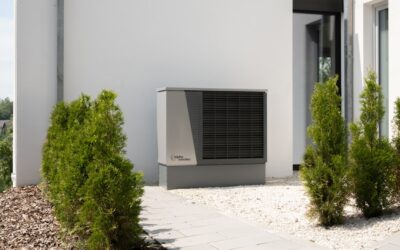
A heat pump moves heat rather than creating it. In heating mode it extracts warmth from outdoor air and transfers it inside; in cooling mode it reverses to remove heat from your home. Because it transfers energy instead of burning fuel, it can deliver several units of heat for each unit of electricity, making it extremely efficient. A single heat pump provides both heating and cooling.
How Forced-Air Gas Heating Works
A gas furnace burns natural gas or propane to heat air, which a blower then pushes through ducts to registers throughout the house. It produces strong, hot air quickly and performs reliably in the coldest weather. A furnace only heats, so it pairs with a separate central air conditioner for cooling, both sharing the same ductwork.
Energy Efficiency Compared
Heat pumps are dramatically more efficient at converting energy to heat. A heat pump can achieve efficiencies equivalent to well over 100 percent because it moves existing heat, while even a high-efficiency furnace tops out near 98 percent AFUE since it can only convert the fuel it burns. In terms of raw energy use, the heat pump wins clearly, especially in moderate climates.
- Heat pump: transfers heat, effective efficiency often 200 to 300 percent.
- Gas furnace: burns fuel, maximum AFUE around 90 to 98 percent.
- Efficiency gap narrows in very cold weather when heat pumps work harder.
Operating Cost
Which is cheaper to run depends on local energy prices. Where electricity is reasonably priced and natural gas is expensive, a heat pump usually costs less to operate. Where natural gas is cheap and electricity is costly, a furnace can be more economical in the dead of winter. In mild and moderate climates, heat pumps typically win on operating cost thanks to their efficiency.
Climate Suitability
Climate is often the deciding factor. Heat pumps excel in mild to moderate climates and increasingly in cold ones thanks to cold-climate models that work well below freezing. In extremely cold regions, though, a heat pump may need backup heat, and a gas furnace’s powerful, consistent output remains attractive. Furnaces do not care how cold it gets outside, while standard heat pumps lose capacity as temperatures drop.
Comfort and Air Temperature
There is a noticeable difference in the feel of the heat. A furnace blows air that is quite hot, often 120 to 140 degrees, giving a fast, toasty blast. A heat pump delivers cooler air, closer to 90 to 100 degrees, for longer, steadier cycles. Some people find the furnace’s hot air more satisfying, while others prefer the even, gentle warmth of a heat pump. Neither is objectively better; it comes down to preference.
Upfront and Installation Cost
Installation costs are comparable but with a key difference. A heat pump replaces both a furnace and an air conditioner with one system, so if you need both heating and cooling, a heat pump can be more economical overall. A furnace plus a separate central AC means two pieces of equipment. Heat pump installations often run $4,000 to $12,000, while a furnace and AC combined can reach similar or higher totals.
Maintenance and Lifespan
Both systems need annual professional maintenance. A gas furnace typically lasts 15 to 20 years, while a heat pump often lasts 12 to 15 years because it runs year-round for both heating and cooling. Furnaces have fewer moving parts exposed to weather. Heat pumps benefit from the fact that you maintain one system instead of two, though they generally have a somewhat shorter service life.
Safety Considerations
Gas furnaces burn fuel, which introduces combustion safety concerns like carbon monoxide, so they require proper venting and a working CO detector. Heat pumps run on electricity with no combustion, eliminating carbon monoxide risk. For households that prefer to avoid gas appliances entirely, a heat pump provides all-electric heating and cooling with no fuel-burning hazards.
Environmental Impact
Heat pumps are generally the greener choice, especially as the electric grid adds renewable energy. They produce no on-site emissions, whereas a gas furnace burns fossil fuel and emits carbon dioxide. Homeowners focused on reducing their carbon footprint often favor heat pumps, and many rebate and tax credit programs now incentivize them for this reason.
Backup Heat and Cold-Snap Performance
A common concern with heat pumps is what happens on the coldest nights. Standard heat pumps include electric resistance backup, called auxiliary or emergency heat, that kicks in when the outdoor temperature drops too low. This backup is less efficient and raises electricity use temporarily, which is why cold-climate heat pumps that maintain output at very low temperatures are worth the extra cost in northern regions. A gas furnace, by contrast, delivers full heat output regardless of outdoor temperature, which is why some cold-climate homeowners still prefer one or opt for a hybrid setup.
Noise and Placement
Both systems make some noise, but in different ways. A heat pump has an outdoor unit with a compressor and fan that runs year-round, so placement away from bedroom windows and patios matters for quiet. Modern variable-speed heat pumps are notably quieter than older models. A gas furnace sits indoors, usually in a basement or utility closet, and its blower produces noise inside, though the outdoor AC condenser adds summer noise similar to a heat pump. Consider where equipment will sit and how close it is to living and sleeping areas.
Humidity Control
Comfort is about more than temperature. In cooling mode, both a heat pump and a central AC remove humidity as they cool, keeping summer air comfortable. In heating mode, forced-air gas heat can dry indoor air significantly, sometimes requiring a humidifier for comfort in winter. Heat pumps tend to be gentler on humidity in heating mode. If dry winter air bothers your household, this difference may nudge you toward a heat pump or prompt you to add whole-home humidification to a furnace.
Resale and Long-Term Value
Both systems can add value, but buyer preferences are shifting. As energy efficiency and electrification gain importance, homes with modern heat pumps appeal to a growing segment of buyers, and available rebates make them attractive. In colder markets, a reliable gas furnace still reassures buyers worried about winter performance. A dual-fuel system can offer the best resale story by covering both bases. Whatever you install, keep documentation of the equipment, efficiency ratings, and maintenance for future buyers.
Which Should You Choose?
- Choose a heat pump for efficiency, year-round comfort, all-electric operation, and mild to moderate climates.
- Choose a gas furnace for powerful heat in extremely cold climates or where gas is cheap.
- Consider a dual-fuel system that pairs a heat pump with a gas furnace backup for the best of both.
A dual-fuel or hybrid system uses the efficient heat pump most of the year and switches to the furnace only in extreme cold, balancing efficiency and reliable warmth.
Final Thoughts
In the debate of heat pump vs forced air, the right answer depends on your climate, energy prices, comfort preferences, and environmental goals. Heat pumps offer superior efficiency and combine heating and cooling in one system, while gas furnaces deliver powerful heat in the harshest winters. For many homeowners in moderate climates, a heat pump is the smarter long-term choice, while a hybrid system offers a compelling middle ground.