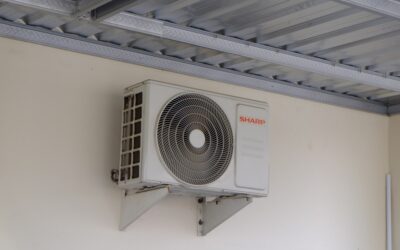
A heat pump works year-round, heating in winter and cooling in summer, so it logs far more runtime than a furnace or air conditioner alone. Regular servicing keeps it efficient, reliable, and long-lived. A heat pump tune up is a preventive maintenance visit that catches small problems before they become expensive breakdowns and keeps energy bills in check. This guide explains what’s involved, what it costs, and how to prepare.
- Why a Heat Pump Needs Tuning
- How Often to Schedule One
- What a Professional Tune-Up Includes
- Typical Costs
- DIY Maintenance You Can Do
- Signs Your Heat Pump Needs Service
- Benefits of Regular Tune-Ups
- How to Prepare for the Technician
- Refrigerant and Safety Considerations
- Understanding the Defrost Cycle
- Choosing a Reputable Contractor
- Tune-Up vs. Repair vs. Replacement
- Seasonal Timing Matters
- What a Good Tune-Up Report Looks Like
- Maintenance Plans vs. One-Time Visits
- Improving Efficiency Between Visits
- Final Takeaway
Why a Heat Pump Needs Tuning
Because a heat pump runs in both seasons, it accumulates roughly twice the operating hours of a single-season system. That constant use means refrigerant charge, electrical connections, and moving parts drift out of spec over time. A tune-up restores efficiency, prevents mid-season failures, protects the compressor (the most expensive component), and often keeps your manufacturer’s warranty valid, which frequently requires documented annual maintenance.
How Often to Schedule One
Most manufacturers and HVAC pros recommend servicing a heat pump twice a year — once before heating season and once before cooling season — because it works in both. At minimum, schedule an annual tune-up. Systems in dusty, coastal, or heavy-use environments benefit from the twice-yearly cadence. Booking in early fall and early spring avoids the peak-season rush when technicians are busiest.
What a Professional Tune-Up Includes
A thorough tune-up covers both the indoor air handler and outdoor unit. A technician typically:
- Checks refrigerant charge and looks for leaks (refrigerant must be handled by an EPA-608 certified technician).
- Cleans the outdoor condenser coil and indoor evaporator coil.
- Inspects and tightens electrical connections and measures voltage and amperage.
- Tests the reversing valve that switches between heating and cooling.
- Checks the defrost cycle and controls.
- Lubricates motors and inspects the blower and fan blades.
- Tests the thermostat calibration and system controls.
- Clears the condensate drain and checks the pan.
- Measures temperature split across the coil to confirm performance.
Typical Costs
Pricing varies by region and provider:
- Single tune-up visit: about $80-$200.
- Annual maintenance plan (often two visits): about $150-$350 per year.
- Add-on repairs, refrigerant, or parts are billed separately.
Maintenance plans usually bundle both seasonal visits, priority scheduling, and discounts on repairs, which pays off for most homeowners.
DIY Maintenance You Can Do
Between professional visits, several tasks are safe for homeowners:
- Replace the air filter every 1-3 months — the single most important thing you can do.
- Clear debris from around the outdoor unit, keeping 2 feet of clearance.
- Gently rinse the outdoor coil with a garden hose (power off) to remove dust and pollen.
- Keep the coil clear of snow and ice in winter without chipping at it.
- Check that both supply and return vents inside are unblocked.
Leave refrigerant, electrical, and sealed-system work to certified technicians.
Signs Your Heat Pump Needs Service
Don’t wait for the scheduled visit if you notice:
- Rising energy bills without a change in usage.
- Weak airflow or rooms that won’t reach temperature.
- The system running constantly or short-cycling.
- Ice buildup on the outdoor unit that won’t clear.
- Strange noises — grinding, buzzing, or rattling.
- The system blowing lukewarm air in heating mode.
Benefits of Regular Tune-Ups
The payoff for consistent maintenance is real:
- Lower energy bills — a well-tuned system can be 10-25% more efficient than a neglected one.
- Fewer breakdowns and emergency calls.
- Longer equipment life — a maintained heat pump can last 15 years or more versus 10 when neglected.
- Better comfort and more even temperatures.
- Warranty protection, since many require documented service.
How to Prepare for the Technician
Make the visit efficient:
- Clear access to both the indoor air handler and outdoor unit.
- Note any issues you’ve observed so you can describe them.
- Have your maintenance records and model number handy.
- Keep pets secured and provide a clear path.
Refrigerant and Safety Considerations
Refrigerant is central to a heat pump’s operation, and handling it is regulated. Under EPA Section 608, only certified technicians may open the sealed refrigerant system, recover, or add refrigerant. Low charge from a leak reduces capacity and can damage the compressor, so never let an uncertified person “top off” the system. Newer systems use R-410A or newer low-GWP refrigerants like R-454B, which also require proper handling.
Understanding the Defrost Cycle
In winter, frost naturally forms on the outdoor coil, and the heat pump periodically reverses to melt it. A technician verifies this defrost cycle works, since a stuck cycle causes ice buildup and lost efficiency. If you see the outdoor unit steaming during a brief defrost, that’s normal — persistent thick ice is not.
Choosing a Reputable Contractor
Pick a licensed, insured HVAC company with EPA-certified technicians and good reviews. Ask what their tune-up checklist includes, since a cheap visit that only swaps a filter isn’t a real tune-up. A detailed report of measured readings — refrigerant pressures, temperature split, and electrical values — is the mark of a thorough service.
Tune-Up vs. Repair vs. Replacement
It helps to understand where a tune-up fits. A tune-up is preventive — cleaning, adjusting, and inspecting a working system to keep it efficient. A repair fixes something already broken, like a failed capacitor or leaking coil. Replacement is warranted when the system is old (typically 12-15 years), repairs are frequent or costly, or efficiency has dropped badly. Regular tune-ups reduce the need for repairs and delay replacement by keeping the system healthy. Think of the annual tune-up as the inexpensive insurance that helps you avoid the far larger costs of emergency repairs and premature replacement.
Seasonal Timing Matters
Because a heat pump works year-round, the ideal schedule is two visits: one in early fall before heating season and one in early spring before cooling season. Booking in the shoulder seasons has practical benefits — technicians are less busy than during the first heat wave or cold snap, so you get better scheduling and pricing. It also means any problems are caught before you need the system most. Waiting until the first 95°F day to discover a low charge or failing capacitor guarantees a long wait and an uncomfortable house.
What a Good Tune-Up Report Looks Like
A thorough technician documents measured readings, not just a checklist of boxes. Look for a report that includes refrigerant pressures, the temperature split across the coil (typically 15-20°F in cooling), voltage and amperage draw on the compressor and motors, capacitor readings, and the condition of the coils and electrical connections. These numbers let you track your system’s health over time and spot gradual decline before it becomes a failure. If a company’s “tune-up” consists of glancing at the unit and changing a filter, it isn’t providing real preventive value.
Maintenance Plans vs. One-Time Visits
Many HVAC companies offer annual maintenance agreements, and for heat pump owners they often make sense. A typical plan runs $150-$350 per year and includes both seasonal tune-ups, priority scheduling during peak times, discounts of 10-15% on repairs, and sometimes waived diagnostic fees. Because a heat pump ideally needs two visits a year, a plan that bundles both can cost about the same as paying for two separate visits while adding valuable perks. One-time visits suit those who prefer flexibility or only want annual service, but if you value convenience and priority service when your system fails on the coldest night, a plan is worth considering.
Improving Efficiency Between Visits
You can keep your heat pump running efficiently between professional tune-ups with simple habits. Set the thermostat to reasonable, steady temperatures rather than large swings, since heat pumps work best maintaining a constant setting. Use a programmable or smart thermostat designed for heat pumps to avoid triggering expensive auxiliary heat. Keep all supply and return vents open and unblocked for proper airflow. Seal obvious duct leaks and add insulation where practical. And most importantly, change the air filter on schedule — a dirty filter is the single most common cause of reduced efficiency and comfort complaints, and it’s the easiest thing to fix yourself.
Final Takeaway
A heat pump tune up is one of the best investments you can make in home comfort, protecting your compressor, lowering energy bills, and extending the life of a system that runs all year. Schedule professional service annually or ideally twice a year, replace filters and keep the outdoor unit clear yourself, and act quickly on warning signs. Consistent maintenance keeps a heat pump efficient and dependable for well over a decade.