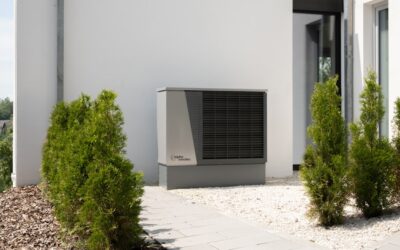
A heat pump cost calculator helps you estimate installation and operating costs before you call contractors, so you can budget accurately and spot fair quotes. This guide breaks down every variable that drives price, from tonnage and efficiency ratings to labor, rebates, and long-term running costs.
- What Drives Heat Pump Cost
- Sizing by Tonnage
- Efficiency Ratings and Their Price Impact
- Types of Heat Pumps and Cost Ranges
- Ductwork Considerations
- Labor and Installation Factors
- Refrigerant and Code Requirements
- Rebates, Tax Credits, and Incentives
- Estimating Operating Costs
- Building Your Own Estimate
- Cost by Home Size
- Single-Zone Versus Whole-Home Systems
- Backup Heat and Cold-Climate Costs
- Getting Accurate Contractor Quotes
- Mistakes to Avoid
- Long-Term Savings and Payback Period
- Frequently Asked Questions
- Final Verdict
What Drives Heat Pump Cost
Total cost depends on the system’s size in tons, its efficiency rating, the type of heat pump, your home’s ductwork, and regional labor rates. A basic installation might run $4,000, while a large, high-efficiency system with new ductwork can exceed $20,000. Understanding each factor lets you build a realistic estimate rather than relying on a single vague number.
Sizing by Tonnage
Heat pumps are sized in tons, where one ton equals 12,000 BTU of capacity per hour. Homes typically need roughly 20 to 30 BTU per square foot, so a 2,000-square-foot home often requires a 3- to 4-ton unit. Oversizing wastes money and cycles inefficiently, while undersizing struggles in temperature extremes. A proper Manual J load calculation, not just square footage, determines the correct size.
Efficiency Ratings and Their Price Impact
Efficiency is measured by SEER2 for cooling and HSPF2 for heating. Standard units start around SEER2 14 to 15, while premium models reach SEER2 20 or higher. Higher ratings cost more upfront, often $1,500 to $4,000 extra, but cut operating costs. For heating, a higher HSPF2 means more heat delivered per unit of electricity, which matters most in cold climates where the system runs long hours.
Types of Heat Pumps and Cost Ranges
Air-source heat pumps are most common, costing roughly $4,000 to $12,000 installed. Ductless mini-splits run $3,000 to $8,000 for a single zone and more for multi-zone setups. Geothermal, or ground-source, heat pumps are the most efficient but the priciest, commonly $15,000 to $35,000 due to ground-loop excavation. Your choice sets the baseline for the rest of your estimate.
Ductwork Considerations
If your home has existing, well-sealed ductwork, an air-source heat pump installs more cheaply. If ducts are leaky, undersized, or absent, you face added cost: new ductwork can add $3,000 to $8,000, while ductless mini-splits avoid ducts entirely. When using a heat pump cost calculator, factor whether you are replacing an existing system with usable ducts or building the distribution from scratch.
Labor and Installation Factors
Labor typically represents 40 to 60 percent of total project cost and varies by region and complexity. A straightforward swap of an existing unit costs less than a first-time installation requiring new line sets, electrical upgrades, and permits. Difficult access, long refrigerant runs, and the need for a new electrical circuit all raise labor charges. Get itemized quotes to see the labor breakdown clearly.
Refrigerant and Code Requirements
Modern heat pumps use refrigerants like R-410A or newer low-GWP blends, and only EPA-608 certified technicians may legally handle refrigerant. Proper charging is critical to efficiency and warranty validity, so this is not a DIY job. Permit fees, electrical inspections, and code-required disconnects add a few hundred dollars but ensure a safe, warranty-compliant installation.
Rebates, Tax Credits, and Incentives
Federal tax credits and local utility rebates can dramatically lower net cost. Qualifying high-efficiency heat pumps may earn a federal tax credit worth up to a set percentage of cost, and many utilities offer rebates of several hundred to a few thousand dollars. Always subtract available incentives from your calculator estimate, and confirm the specific efficiency thresholds each program requires before purchasing.
Estimating Operating Costs
Beyond installation, factor annual running cost. A heat pump’s efficiency means it often costs less to operate than electric resistance or propane heat. To estimate, multiply your heating and cooling hours by the unit’s power draw and your local electricity rate per kilowatt-hour. Higher SEER2 and HSPF2 ratings lower these operating costs, which is why premium units can pay back their price premium over time.
Building Your Own Estimate
Start with tonnage from a load calculation, choose a heat pump type and efficiency tier, add ductwork costs if needed, then apply regional labor multipliers and permit fees. Subtract rebates and tax credits for a net figure. Comparing this estimate against contractor bids reveals whether quotes are fair. Always collect at least three itemized quotes rather than trusting a single number.
Cost by Home Size
Home size shapes both tonnage and price. A small 1,000-square-foot home may need only a 2-ton system, costing roughly $4,000 to $7,000 installed for an air-source unit. A typical 2,000-square-foot home needs about 3 to 4 tons, running $6,000 to $12,000. Larger 3,000-plus-square-foot homes may require 5 tons or multiple zones, pushing costs to $12,000 to $20,000 or beyond. These ranges assume usable existing ductwork; adding or replacing ducts, or choosing ductless zones, shifts the numbers accordingly.
Single-Zone Versus Whole-Home Systems
Your calculator estimate changes dramatically based on whether you are conditioning one room or the whole house. A single-zone ductless mini-split for a garage, addition, or bonus room runs $3,000 to $6,500 and installs quickly. A whole-home ducted heat pump or a multi-zone ductless system with several indoor heads is a much larger project, often $10,000 to $20,000. Decide your scope first, because a single stubborn room might be solved far more cheaply with a mini-split than by upsizing a central system.
Backup Heat and Cold-Climate Costs
In colder regions, a heat pump often pairs with backup heat for the coldest days. Electric resistance strips add a modest equipment cost but raise operating expense when they run, while a dual-fuel setup pairs the heat pump with an existing gas furnace that takes over below a set temperature. Cold-climate heat pumps with high HSPF2 ratings reduce reliance on backup heat but cost more upfront. Factor your climate and backup strategy into the estimate, since deep-winter heating drives both equipment choice and running cost.
Getting Accurate Contractor Quotes
An online estimate is a starting point, but a proper quote requires a contractor to perform a Manual J load calculation, inspect your ductwork and electrical panel, and account for local permit and labor rates. Ask each contractor for an itemized bid separating equipment, ductwork, electrical, labor, permits, and refrigerant work so you can compare apples to apples. Collect at least three quotes, verify the contractor is licensed and that technicians hold EPA-608 certification, and confirm which rebates and tax credits they will help you claim.
Mistakes to Avoid
Do not size by square footage alone; insist on a Manual J load calculation. Avoid choosing the cheapest bid without comparing efficiency and included work. Never overlook rebates and tax credits, which can save thousands. Do not attempt DIY refrigerant work, which is illegal without EPA-608 certification and voids warranties. And do not ignore ductwork condition, which quietly wrecks efficiency.
Long-Term Savings and Payback Period
When weighing a heat pump’s price, look past the install cost to the payback period. A high-efficiency heat pump replacing an old electric furnace or propane system can cut annual heating costs substantially, and those savings accumulate every year. To estimate payback, divide the price difference between a standard and a high-efficiency unit by the annual operating savings the better unit delivers; many premium systems pay back their premium within five to ten years and then save money for the rest of their 15-to-20-year life. Factor in rising energy prices, which make an efficient heat pump more valuable over time, plus the federal tax credits and utility rebates that shorten payback further, and the true lifetime cost often favors spending more upfront on efficiency.
Frequently Asked Questions
How accurate is an online calculator? It gives a useful ballpark, but a contractor’s load calculation is definitive. What size do I need? Roughly one ton per 500 to 600 square feet, refined by a Manual J. Do rebates really help? Yes, federal and utility incentives can cut thousands off cost. Is geothermal worth it? It has the lowest operating cost but the highest upfront price, best for long-term owners.
Final Verdict
A thoughtful heat pump cost calculator approach accounts for tonnage, efficiency, type, ductwork, labor, and incentives to produce a realistic budget. Use a proper load calculation, weigh efficiency against operating savings, capture every rebate, and compare itemized quotes, and you will invest confidently in a heat pump that fits both your home and your budget.