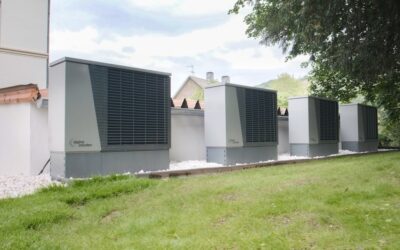
An inverter heat pump is one of the most significant efficiency upgrades in modern home heating and cooling. Unlike older systems that slam on and off at full power, an inverter unit continuously varies its compressor speed to match the exact amount of heating or cooling your home needs, delivering steadier comfort, quieter operation and lower energy bills.
- What Inverter Technology Actually Does
- Why Variable Speed Saves Energy
- Understanding SEER, HSPF and SEER2
- Comfort Benefits Beyond Efficiency
- Cold-Climate Performance
- Typical Specifications
- Ducted vs Ductless Inverter Systems
- Installation Considerations
- Costs and Payback
- Maintenance
- Refrigerant Types and the Transition
- Backup Heat and Dual-Fuel Setups
- Smart Thermostats and Controls
- Common Troubleshooting
- Frequently Asked Questions
- Final Verdict
What Inverter Technology Actually Does
A conventional single-stage heat pump has one speed: full on or fully off. It cools or heats to the setpoint, shuts down, then restarts when the temperature drifts, cycling repeatedly. An inverter uses variable-frequency drive electronics to adjust the compressor motor’s speed smoothly, running slowly and continuously most of the time and ramping up only when demand spikes. This eliminates the energy-wasting start-stop cycling.
Why Variable Speed Saves Energy
The biggest energy cost in a compressor is the surge at startup. By running continuously at low speed instead of repeatedly restarting at full power, an inverter avoids those costly surges and maintains efficiency across a wide load range. It also matches output to actual demand, so on a mild day it might run at 30 percent capacity rather than blasting full power for short bursts, using far less electricity.
Understanding SEER, HSPF and SEER2
Efficiency ratings tell you how much you will save. SEER (Seasonal Energy Efficiency Ratio) and the newer SEER2 measure cooling efficiency; higher is better, with inverter units often reaching SEER2 ratings of 18 to 30-plus versus 14 to 16 for basic systems. HSPF and HSPF2 measure heating efficiency the same way. An inverter heat pump’s high SEER2 and HSPF2 figures translate directly into lower operating costs.
Comfort Benefits Beyond Efficiency
Because it runs continuously at low speed, an inverter holds temperature within a tight band, often within a degree, eliminating the warm-cold swings of cycling systems. Long, gentle run cycles also dehumidify better in summer and distribute heat more evenly in winter. The steady low-speed operation is markedly quieter, both outdoors and through the indoor air handler.
Cold-Climate Performance
Modern cold-climate inverter heat pumps maintain strong heating capacity well below freezing, with many rated to deliver full or near-full output at 5°F and continued heating down to -13°F or lower. This is a major advance over older heat pumps that lost capacity and relied heavily on backup electric resistance heat. Look for cold-climate certified models if you live in a northern region.
Typical Specifications
- SEER2: commonly 18 to 30+
- HSPF2: roughly 8 to 13
- Capacity: variable, often modulating from about 30% to 100%
- Refrigerant: R-410A or newer low-GWP R-32 and R-454B
- Sound: as low as 50 to 60 dBA at the outdoor unit
Ducted vs Ductless Inverter Systems
Inverter technology appears in both central ducted heat pumps and ductless mini-splits. Ducted systems replace a traditional central unit and use existing ductwork. Ductless mini-splits mount indoor heads on the wall and connect to an outdoor unit via a small refrigerant line, ideal for additions, homes without ducts or room-by-room zoning. Both benefit equally from variable-speed efficiency.
Installation Considerations
Proper sizing is critical. An oversized inverter loses much of its efficiency advantage because it rarely runs at its efficient low speed. A Manual J load calculation ensures correct sizing. Installation must be performed by an EPA-608 certified technician who handles refrigerant legally, evacuates the lines to the proper vacuum, verifies the charge and commissions the electronics. Quality installation is as important to performance as the equipment itself.
Costs and Payback
Inverter heat pumps cost more upfront, typically $5,000 to $12,000 installed for a central system depending on size and home, and $3,000 to $8,000 for ductless setups. The premium over a basic system is often $2,000 to $4,000. Federal tax credits and utility rebates can offset a substantial share, and the energy savings, often 20 to 50 percent versus older equipment, deliver payback over several years.
Maintenance
Inverter systems need routine care to protect efficiency. Replace or clean air filters every one to three months. Keep the outdoor coil clear of leaves, snow and debris, and ensure adequate clearance for airflow. Have a technician inspect refrigerant charge, electrical connections and the inverter board annually. Clean indoor mini-split filters and check condensate drainage to prevent water damage.
Refrigerant Types and the Transition
Inverter heat pumps have historically used R-410A refrigerant, but the industry is transitioning to lower global-warming-potential refrigerants like R-32 and R-454B to meet new environmental regulations. Newer systems increasingly ship with these alternatives, which offer comparable or better efficiency with a much smaller climate impact. All refrigerant, regardless of type, must be handled by an EPA-608 certified technician, and it is never consumed during normal operation, so a system that loses charge has a leak that requires professional repair.
Backup Heat and Dual-Fuel Setups
Even efficient cold-climate inverter heat pumps may pair with backup heat for the coldest hours. All-electric systems use electric resistance strips in the air handler as auxiliary heat, while dual-fuel or hybrid systems pair the heat pump with a gas furnace, automatically switching to gas when outdoor temperatures drop below the point where the heat pump is cheaper to run. A dual-fuel setup can optimize operating cost by using the heat pump in mild weather and the furnace only during deep cold, though it adds equipment complexity and cost.
Smart Thermostats and Controls
Getting the most from an inverter system depends on using it correctly. Because these units are most efficient running long and steady, deep temperature setbacks that force the system to ramp to full power can actually waste energy compared with holding a steadier setpoint. Many manufacturers offer communicating thermostats or proprietary controllers that let the equipment modulate optimally. A compatible smart thermostat also enables scheduling, remote control and energy monitoring, helping you fine-tune comfort and cost throughout the year.
Common Troubleshooting
Weak heating or cooling often traces to a dirty filter or blocked coil restricting airflow; clean both first. Short cycling on an inverter can indicate a control or sensor fault, since these units are designed to run long and steady. Ice on the outdoor coil in winter is normal briefly during defrost, but persistent icing suggests low charge or airflow problems. Error codes on the display point to specific faults, so consult the manual.
Frequently Asked Questions
What is the difference between an inverter and a regular heat pump? A regular heat pump runs at one speed, cycling fully on and off, while an inverter continuously varies compressor speed to match demand. This eliminates energy-wasting startup surges and holds steadier temperatures, cutting energy use by 20 to 50 percent versus older equipment.
Do inverter heat pumps work in cold climates? Modern cold-climate models do, maintaining full or near-full capacity at 5°F and continuing to heat down to -13°F or lower. Look for cold-climate certification if you live in a northern region.
Are they worth the higher price? Over their lifespan, usually yes. The efficiency savings, superior comfort, quieter operation, plus available tax credits and rebates, typically deliver payback in several years while providing better everyday performance.
How important is proper sizing? Critical. An oversized inverter rarely runs at its efficient low speed, wasting much of its advantage. A Manual J load calculation ensures the correct size for your home.
Should I set back the temperature at night? With an inverter system, deep setbacks can backfire. Because these units are most efficient running long and steady, forcing the equipment to ramp to full power to recover from a big setback can waste more energy than it saves. Holding a steadier setpoint, or using only modest setbacks, usually keeps operating costs lowest.
What refrigerant do inverter heat pumps use? Older systems use R-410A, but the industry is transitioning to lower global-warming-potential refrigerants like R-32 and R-454B. Regardless of type, refrigerant is never consumed in normal operation and must be handled by an EPA-608 certified technician, so a system losing charge has a leak that needs professional repair.
Final Verdict
An inverter heat pump delivers the best combination of efficiency, comfort and quiet available in home HVAC today. By modulating compressor speed to match demand, it slashes energy use, holds steady temperatures and performs even in cold climates. Size it correctly, insist on a quality EPA-608 certified installation, and take advantage of tax credits, and it becomes one of the smartest long-term investments a homeowner can make.