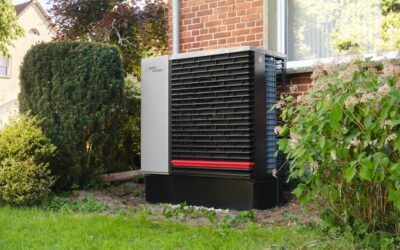
When it comes time to replace an aging HVAC system, a heat pump offers year-round comfort from a single unit that both heats and cools. An amana heat pump combines solid efficiency, a strong warranty, and competitive pricing, making the brand a popular choice for homeowners seeking value. This guide covers the models, efficiency ratings, sizing, and maintenance so you can decide if an Amana system fits your home.
- How a Heat Pump Works
- The Amana Product Range
- Understanding SEER2 Ratings
- Heating Efficiency and HSPF2
- Sizing Your Heat Pump
- The Amana Warranty Advantage
- Variable-Speed Comfort
- Installation Considerations
- Cost Expectations
- Maintenance for Longevity
- Troubleshooting Common Issues
- Single-Stage Versus Two-Stage Compressors
- Backup Heat and Dual-Fuel Systems
- The Defrost Cycle
- Choosing a Qualified Installer
- Rebates and Tax Credits
- Final Thoughts
How a Heat Pump Works
A heat pump moves heat rather than generating it, making it far more efficient than furnaces or electric resistance heat. In summer it extracts heat from indoor air and dumps it outside like an air conditioner. In winter it reverses, pulling heat from outdoor air and delivering it inside. Because it transfers existing heat instead of burning fuel, a heat pump can deliver several units of heat energy per unit of electricity.
The Amana Product Range
Amana offers a tiered lineup from value to premium. Entry models provide reliable single-stage operation at an affordable price, mid-tier units add two-stage compressors for better comfort and efficiency, and premium models feature variable-speed inverter compressors that modulate output continuously. Choosing among them means balancing your budget against how much you value quiet operation, tight temperature control, and lower long-term energy bills.
Understanding SEER2 Ratings
Cooling efficiency is rated in SEER2, with higher numbers meaning lower operating costs. Amana heat pumps range from around 14.3 SEER2 on entry models up to the low 20s on premium variable-speed units. A higher SEER2 costs more up front but reduces electricity use over the system’s life. The right choice depends on your climate and how many hours you run cooling each year, with hot climates justifying higher efficiency.
Heating Efficiency and HSPF2
Heating performance is measured in HSPF2. Amana heat pumps deliver competitive HSPF2 ratings, and higher-tier models maintain better output in cold weather. In colder regions, pair the heat pump with a backup heat source or choose a model rated for low-temperature performance, since standard air-source heat pumps lose capacity as outdoor temperatures drop well below freezing. Match the equipment to your winter demands.
Sizing Your Heat Pump
Proper sizing is critical and expressed in tons, where one ton equals 12,000 BTU. A rough estimate is one ton per 500 to 600 square feet, so a 2,000-square-foot home might need a 3.5 to 4 ton system. However, insulation, windows, climate, and ductwork all matter, so insist on a professional Manual J load calculation. Oversizing causes short cycling and humidity problems, while undersizing leaves your home uncomfortable.
The Amana Warranty Advantage
One of Amana’s strongest selling points is its warranty. Many models carry a limited lifetime compressor warranty and a 10-year parts warranty when registered, which is generous compared to many competitors. Some premium units even include a unit replacement provision if the compressor fails within a set period. Register your system promptly after installation to activate the full coverage, and keep maintenance records, which warranties often require.
Variable-Speed Comfort
Premium Amana heat pumps use inverter-driven variable-speed compressors that adjust output to match demand precisely rather than cycling on and off. This holds temperature within a narrow band, removes humidity effectively, and runs quietly at low speeds most of the time. The result is more even comfort and lower energy use, though the advanced electronics add to the purchase price and to eventual repair complexity.
Installation Considerations
A heat pump system includes the outdoor unit, an indoor air handler or furnace coil, refrigerant lines, and controls. Installation requires EPA Section 608 certification to handle refrigerant, proper line-set sizing, evacuation, and correct charge. Quality installation matters as much as the equipment itself, because an improperly charged or poorly ducted system underperforms regardless of its rating. Choose a reputable licensed contractor and get multiple quotes.
Cost Expectations
An Amana heat pump system typically costs $5,000 to $12,000 installed depending on size, efficiency tier, and your home’s ductwork. Entry single-stage systems sit at the lower end, while premium variable-speed systems reach the top. Factor in potential federal energy tax credits and utility rebates for high-efficiency equipment, which can offset several hundred to a couple thousand dollars and improve the overall value proposition.
Maintenance for Longevity
Keep your heat pump efficient with regular care. Change the air filter every one to three months, keep the outdoor unit clear of leaves, grass, and snow, and rinse the condenser coil clean each season. Schedule professional service twice a year to check refrigerant charge, electrical connections, and the defrost cycle. Consistent maintenance preserves efficiency, prevents breakdowns, and is often required to keep the generous warranty valid.
Troubleshooting Common Issues
If the heat pump ices over in winter, some frost is normal, but heavy ice that will not clear signals a defrost problem needing service. Weak airflow usually means a dirty filter. If the system runs but does not heat or cool, check the thermostat settings and breaker first. A humming unit that will not start often points to a failed capacitor, an inexpensive part a technician can replace quickly.
Single-Stage Versus Two-Stage Compressors
The compressor type shapes comfort and efficiency. A single-stage compressor runs at full capacity whenever it is on, cycling to maintain temperature, which is affordable but produces larger swings and noise. A two-stage compressor runs at a lower first stage most of the time, only ramping to full power on the hottest or coldest days. Two-stage operation delivers steadier temperatures, better humidity control, and lower energy use, justifying its higher price for many homeowners.
Backup Heat and Dual-Fuel Systems
In colder climates, a heat pump often pairs with backup heat. Electric resistance strips in the air handler engage when the heat pump cannot keep up, while a dual-fuel setup pairs the heat pump with a gas furnace that takes over below a set outdoor temperature. Dual-fuel systems automatically use whichever source is more economical, running the efficient heat pump in mild weather and the furnace in deep cold for reliable, cost-effective heating.
The Defrost Cycle
In cold, humid weather, frost forms on the outdoor coil, so heat pumps periodically run a defrost cycle that briefly reverses to melt the ice. During defrost the unit may blow cooler air indoors and produce steam outside, which is normal. A malfunctioning defrost control leaves the coil encased in ice and cripples heating, so if you see heavy, persistent ice that never clears, call a technician to check the defrost sensor and board.
Choosing a Qualified Installer
The installer matters as much as the brand. Amana equipment is sold and installed through independent dealers, and quality varies. Look for a licensed, insured contractor with strong reviews who performs a load calculation, sizes the system properly, and provides a written quote detailing equipment, labor, and warranty registration. Get at least three bids, and choose based on the full value and reputation rather than the lowest number alone.
Rebates and Tax Credits
High-efficiency Amana heat pumps frequently qualify for federal energy tax credits and utility rebates that reduce the net cost. Federal incentives reward systems meeting specified SEER2 and HSPF2 thresholds, so choosing a higher-efficiency model can pay off twice, through lower bills and through upfront credits. Ask your dealer for the model’s AHRI certificate, which documents the ratings needed to claim incentives, and check your local utility’s program, since rebates vary widely by region and change from year to year.
Final Thoughts
An amana heat pump delivers efficient year-round comfort backed by one of the industry’s strongest warranties at a competitive price. Choose the efficiency tier that matches your climate and budget, insist on a proper load calculation and quality installation, and keep up with filter changes and seasonal service. Do that, and your Amana system will heat and cool your home reliably and economically for many years.