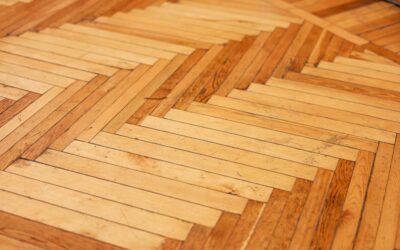
Two of the most popular dark wood stains look similar on the can but read very differently on the floor. Understanding ebony vs jacobean stain matters because the wrong choice can leave a room feeling cold and stark, or muddy and undefined, when you wanted rich and warm. Both are classic Minwax oil-based colors, both go dark, and both are used constantly on hardwood floors and furniture. The distinction comes down to one being a true black and the other a dark brown with gray, smoky undertones.
The Quick Answer
Ebony is a deep, near-true black with very little brown in it. Jacobean is a dark brown with cool, grayish, smoky undertones that keep it from looking warm or red. If you want a dramatic, modern black floor, ebony delivers it. If you want a dark floor that still reads as wood, with depth and grain showing through, Jacobean is usually the better call. The two are often blended to land somewhere in between.
What Ebony Looks Like
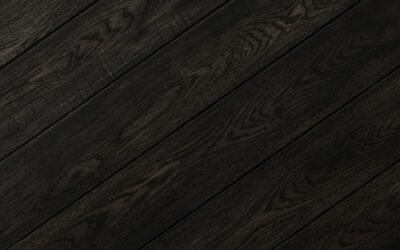
Ebony is the darkest stain in the lineup, designed to produce a black, dramatic finish. On open-grain woods like oak, it settles into the grain and creates strong contrast that emphasizes the wood’s texture. Done well, an ebony floor looks sophisticated and modern; done on the wrong wood or without care, it can look flat or show every speck of dust and pet hair.
Because ebony is so dark, it hides the natural color variation of the wood and reads almost as a solid black, especially on a single coat over a porous species. It is a bold, high-contrast choice that suits contemporary and high-drama interiors.
What Jacobean Looks Like
Jacobean is dark but not black. It is a rich brown with distinctive gray and smoky undertones that neutralize the orange and red tones many woods carry. That cool cast is exactly why designers reach for it: it makes a floor look deep and grounded without going warm or rustic. On oak, Jacobean produces a classic, timeless dark brown that still clearly reads as wood, with grain and subtle color variation visible.
Jacobean is more forgiving than ebony in everyday life. Its brown base hides dust and minor scuffs better than a true black, which is one reason it remains a favorite for high-traffic floors.
How They Behave on Different Woods
The wood species changes the result dramatically for both colors.
- Red oak: Takes both stains well. Ebony reads black with grain texture; Jacobean’s gray undertones help counter red oak’s natural pinkish warmth.
- White oak: A cooler base that pairs beautifully with Jacobean’s smoky tone and gives ebony a clean, even black.
- Pine and other softwoods: Blotch-prone. Both stains can go uneven without a pre-stain wood conditioner, and ebony especially can look patchy on soft, porous spots.
- Maple: Dense and tight-grained, it resists deep penetration, so both colors come out lighter and more prone to blotching; conditioner is essential.
Always test on a hidden area or a scrap of the same wood, because a color that looks perfect on oak can look completely different on pine.
Blending Ebony and Jacobean
One of the most popular custom looks comes from mixing the two. A common approach combines Jacobean and ebony in a ratio, often more Jacobean than ebony, to get a floor that is darker and richer than Jacobean alone but warmer and more dimensional than straight ebony. Adjusting the ratio lets you dial in the exact depth you want. If you go this route, mix enough for the whole job at once and keep the proportions consistent, since small ratio changes shift the final color noticeably.
Application Tips for Either Color
Dark stains are less forgiving than light ones, so technique matters. Sand thoroughly and evenly, because any scratches or swirl marks show far more under a dark stain. Use a pre-stain conditioner on blotch-prone woods like pine and maple. Apply the stain evenly, wipe off the excess within the manufacturer’s window, and avoid lap marks by keeping a wet edge. Both ebony and Jacobean are oil-based, so allow proper dry time before topcoating and ensure good ventilation while working.
Maintenance and Daily Reality
Be honest about upkeep before you commit. A true ebony floor is stunning but shows dust, lint, pet hair, and scratches more than almost any other finish, so it demands frequent cleaning to look its best. Jacobean’s brown base disguises everyday debris better, making it the more practical choice for busy households with kids and pets. A matte topcoat hides scuffs better than a high gloss on either color.
Lighting Changes Everything
The same stain looks dramatically different from room to room because lighting shifts how we read color. In a bright room with lots of natural light, ebony’s black depth and Jacobean’s grain both show clearly, and the floor feels rich rather than oppressive. In a dim room or a north-facing space with cool light, a very dark floor can feel heavy and small, and ebony in particular may read as a flat black void. Jacobean’s brown base tends to feel warmer and more livable in low light.
Always evaluate your test samples in the actual room, at different times of day, with the lights you normally use. A stain chosen under bright showroom lighting can disappoint once it is down in your own home, so this step is worth the patience.
Resale and Design Trends
Both colors have staying power, but they signal different things to buyers and designers. Jacobean’s timeless dark brown is a safe, broadly appealing choice that suits traditional and transitional homes and rarely looks dated. Ebony makes a bolder, more contemporary statement that can be stunning in the right home but appeals to a narrower taste. If resale is a concern, the more neutral Jacobean, or a Jacobean-leaning blend, is generally the safer bet, while ebony rewards homeowners styling a specifically modern or dramatic interior. Neither is wrong; the decision is about how bold you want the floor to be.
Which Should You Choose?
Pick ebony when you want a bold, modern, true-black statement and are willing to keep it clean. Pick Jacobean when you want a deep, timeless dark floor that still looks like wood and hides daily wear. And consider a custom blend when neither hits exactly right. Whatever you lean toward in the ebony vs Jacobean stain debate, the real decision-maker is a test sample on your actual wood under your actual lighting, because that is the only way to know how the color will truly land.