An electrical water heater is the quiet workhorse behind every hot shower, and if you’re replacing an old unit or building new, it’s often the simplest and cleanest choice you can make. There’s no gas line, no venting through the roof, and no risk of carbon monoxide, just a well-insulated tank or a compact tankless unit wired to your panel and ready to deliver hot water on demand.
I’ve swapped out plenty of failing heaters, and homeowners are always surprised by how much the right size and type affect both comfort and their monthly bill. Here’s how to choose, install, and maintain one so it lasts a decade or more.
Tank vs Tankless
The biggest decision is whether you want a storage tank or an on-demand tankless model, and they suit different homes.
- Tank (storage) heaters: keep 30 to 80 gallons hot and ready. Cheaper to buy, easy to install, and they handle simultaneous demand well. The tradeoff is standby heat loss and a finite supply that runs out on a long shower marathon.
- Tankless (on-demand) heaters: heat water instantly as it flows, so you never run out and there’s no standby loss. They cost more upfront and often need a serious electrical upgrade because whole-home electric tankless units draw enormous power.
For most homes, a standard electric tank remains the practical pick. Tankless shines in smaller households, point-of-use spots like a garage sink, or where space is tight and you can support the wiring.
Sizing It Right
Undersize and you get cold showers; oversize and you pay to heat water you never use. For tank heaters, match the first-hour rating (FHR) to your peak demand, which is the busiest hour of the morning.
- 1 to 2 people: 30 to 40 gallon tank
- 2 to 3 people: 40 to 50 gallon tank
- 3 to 4 people: 50 to 60 gallon tank
- 5 or more people: 60 to 80 gallon tank
For tankless, sizing is about flow rate in gallons per minute (GPM) and the incoming water temperature. Cold northern groundwater means the unit works harder, so a whole-home electric tankless in a cold climate may need 27 kW or more, which is a lot of amperage.
Electrical Requirements
This is the part to get right before you buy. A standard residential electric tank heater runs on a dedicated 240-volt circuit, typically 30 amps on a double-pole breaker with 10-gauge wire. Most homes already have this in place if they’re replacing an existing electric unit.
Tankless is a different animal. Whole-home electric tankless units can demand 100 to 150 amps of dedicated capacity split across multiple breakers, which many older 100- or 200-amp service panels can’t spare. Always confirm your panel can handle the load and, in most areas, have a licensed electrician make the final connection. Point-of-use tankless units are far tamer, often just a single 30- or 40-amp circuit.
How It Heats the Water
Understanding the guts helps with troubleshooting later. A typical electric tank heater has two heating elements, an upper and a lower, each with its own thermostat. The upper element heats the top of the tank first for a quick recovery, then the lower element maintains the bulk.
When you get lukewarm water that runs cold fast, a failed lower element or thermostat is the usual culprit. When you get no hot water at all, suspect the upper element, a tripped high-limit reset, or the breaker. These are common, replaceable parts, which is one reason electric heaters are so serviceable.
What It Costs to Run
Operating cost depends on your electricity rate and hot-water habits. The average household spends roughly $400 to $600 a year running a standard electric tank heater, though that varies widely with local rates and family size.
To trim the bill, consider a heat-pump (hybrid) electric water heater. These use a compressor to pull heat from the surrounding air and can cut water-heating energy use by up to 60 to 70 percent compared to standard resistance elements. They cost more upfront, around $1,500 to $2,500 installed, but often pay back through utility savings and rebates within a few years.
Installation Basics
Swapping a like-for-like electric tank is a manageable job for a confident DIYer, though local codes may require a permit and inspection:
- Shut off the breaker and confirm power is dead with a tester.
- Turn off the cold water supply and drain the old tank through a hose at the bottom valve.
- Disconnect the wiring and water lines, then remove the old unit.
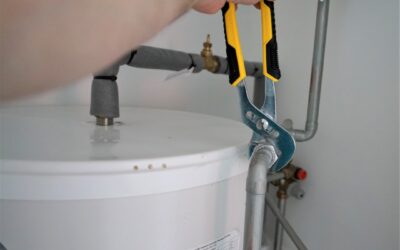
- Set the new tank, connect water lines with new flex connectors, and install a code-required temperature-and-pressure relief valve with a discharge tube.
- Reconnect the wiring to the correct terminals, fill the tank completely before restoring power, and never energize a dry tank or you’ll burn out the elements.
- Restore power, set the thermostat to 120°F, and check for leaks.
Maintenance for a Long Life
A little upkeep buys years. Drain a few gallons from the bottom valve once or twice a year to flush sediment that otherwise insulates the lower element and shortens tank life. Test the T&P relief valve annually. And check the anode rod every 3 to 5 years; this sacrificial rod corrodes so the tank doesn’t, and replacing a spent one can add years to the heater.
The Bottom Line
An electrical water heater gives you reliable hot water with simple wiring, no combustion, and easy servicing. Size the tank to your household, confirm your panel supports whatever you choose, and keep up with flushing and the anode rod. Whether you pick a straightforward tank, a hybrid heat-pump model, or a compact tankless, matching the unit to your home’s demand and electrical capacity is what gets you a decade of steady, worry-free hot showers.