Evergreen bushes are the backbone of any well-designed landscape. Unlike deciduous plants that shed their leaves each autumn, evergreen shrubs retain their foliage year-round, providing consistent color, privacy, and structure to your outdoor spaces no matter the season.
Whether you’re looking to create a natural privacy screen, frame your home’s entryway, or add low-maintenance greenery to your garden beds, this guide covers everything you need to know about selecting, planting, and caring for evergreen bushes in 2026.
- Table of Contents
- What Are Evergreen Bushes?
- Types of Evergreen Bushes
- Best Evergreen Bushes for 2026
- How to Choose the Right Evergreen Bush
- Planting Guide
- Care & Maintenance
- Landscaping Ideas with Evergreen Bushes
- Common Problems & Solutions
- Cost of Evergreen Bushes
- Frequently Asked Questions
- What is the fastest-growing evergreen bush?
- What evergreen bushes stay small?
- Do evergreen bushes need full sun?
- When should I prune evergreen bushes?
- Can evergreen bushes grow in containers?
- How do I revive a dying evergreen bush?
- What’s the difference between evergreen bushes and deciduous shrubs?
What Are Evergreen Bushes?
Evergreen bushes — also called evergreen shrubs — are woody plants that keep their leaves or needles throughout the entire year. They come in two main categories: broadleaf evergreens (like boxwood, holly, and azaleas) and needled evergreens (like juniper, yew, and arborvitae). Both types provide year-round interest and serve as the structural foundation of residential and commercial landscapes.
The value of evergreen bushes extends far beyond aesthetics. They act as windbreaks, provide habitat for wildlife, reduce noise pollution, improve air quality, and can even help lower heating costs by insulating your home from cold winter winds. When combined with quality hardwood flooring inside and thriving evergreens outside, your property’s curb appeal — and value — increases substantially.
Types of Evergreen Bushes
Understanding the different categories of evergreen bushes helps you make informed decisions for your specific landscape needs.
Broadleaf Evergreens
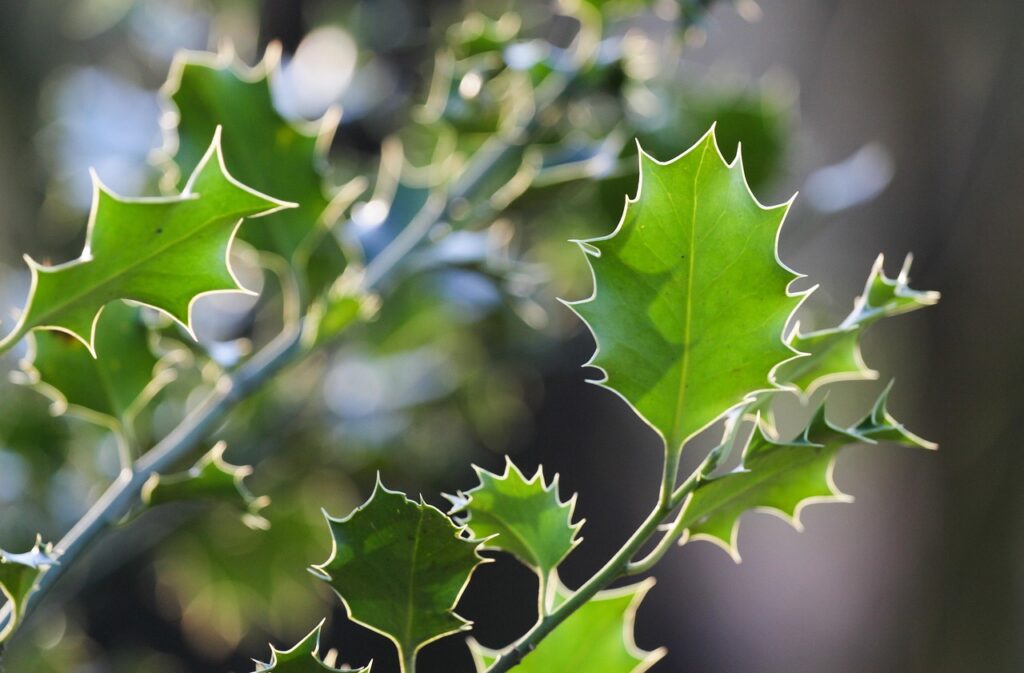
These shrubs have flat, wide leaves that remain green all year. They tend to produce showy flowers and are popular for ornamental plantings. Examples include rhododendrons, azaleas, camellias, hollies, and boxwoods. Broadleaf evergreens generally prefer partial shade and acidic, well-drained soil.
Needled Evergreens
Conifers with needle-like or scale-like foliage, these include junipers, yews, arborvitae, and false cypress. They’re typically more cold-hardy than broadleaf varieties and tolerate a wider range of soil conditions. Many needled evergreens are excellent for hedging and screening.
Dwarf Evergreens
Compact cultivars that mature at 3 feet or less in height. Perfect for small gardens, foundation plantings, containers, and borders. Popular dwarf varieties include dwarf boxwood, dwarf Alberta spruce, and compact Japanese holly.
Flowering Evergreens
Shrubs that maintain their foliage year-round while also producing seasonal blooms. Rhododendrons, azaleas, gardenias, and mountain laurel are prime examples. These offer the best of both worlds: permanent greenery plus seasonal flower displays.
Best Evergreen Bushes for 2026
Here are the top-performing evergreen bush varieties recommended by landscaping professionals for 2026.
| Variety | Mature Height | Sun Requirement | USDA Zones | Best For |
|---|---|---|---|---|
| Boxwood (Buxus) | 2–8 ft | Full sun to part shade | 5–9 | Hedges, formal gardens |
| Japanese Holly (Ilex crenata) | 3–10 ft | Full sun to part shade | 5–8 | Foundation plantings |
| Arborvitae (Thuja) | 3–15 ft | Full sun | 3–8 | Privacy screens |
| Rhododendron | 3–12 ft | Part shade | 4–9 | Ornamental/flowering |
| Juniper (Juniperus) | 1–15 ft | Full sun | 3–9 | Ground cover, drought areas |
| Yew (Taxus) | 3–20 ft | Full sun to full shade | 4–7 | Hedges, shade areas |
| Azalea (evergreen types) | 2–6 ft | Part shade | 6–9 | Flowering accent |
| Mountain Laurel (Kalmia) | 5–15 ft | Part shade | 4–9 | Woodland gardens |
| Camellia | 6–12 ft | Part shade | 7–10 | Southern gardens |
| Dwarf Alberta Spruce | 4–8 ft | Full sun | 3–8 | Accent, containers |
How to Choose the Right Evergreen Bush
Selecting the ideal evergreen bush for your property requires considering several key factors.
Climate & Hardiness Zone
Always match the plant’s USDA hardiness zone rating with your local zone. A bush rated for zones 6–9 won’t survive a zone 4 winter. Check with your local extension service if you’re unsure of your zone.
Purpose & Function
Define what you need the bush to accomplish. Privacy screening requires tall, dense varieties like arborvitae or holly. Foundation plantings need compact, well-behaved shrubs like boxwood. Ground cover applications suit low-spreading junipers.
Mature Size
Always plan for the bush’s mature dimensions, not its nursery size. A shrub that looks perfect in a 3-gallon pot might grow to 15 feet tall and 10 feet wide. Overcrowded plantings are one of the most common landscaping mistakes.
Sunlight & Soil
Assess your planting site’s sun exposure (full sun, part shade, or full shade) and soil type (sandy, clay, loamy). Match these conditions to the plant’s requirements for best results.
Maintenance Level
Some evergreens require regular pruning to maintain shape (boxwood, yew), while others grow naturally in attractive forms with minimal intervention (rhododendron, mountain laurel). Be honest about how much time you’re willing to invest in maintenance.
Planting Guide
Proper planting sets your evergreen bushes up for years of healthy growth. Follow these steps for best results.
When to Plant
The ideal planting windows are early fall (September–October) and early spring (March–April). Fall planting allows roots to establish before winter dormancy, while spring planting gives the entire growing season for establishment. Avoid planting in the heat of summer or when the ground is frozen.
How to Plant
- Dig the hole 2–3 times wider than the root ball but only as deep as the root ball height. The top of the root ball should sit level with or slightly above the surrounding soil.
- Amend the soil if necessary with compost or peat moss, especially for acid-loving varieties like rhododendrons and azaleas.
- Remove the container and gently loosen any circling roots. For balled-and-burlapped plants, remove the burlap and wire cage after placing in the hole.
- Backfill with native soil mixed with amendments, tamping gently to eliminate air pockets.
- Water deeply immediately after planting — apply enough to thoroughly soak the root zone.
- Mulch with 2–3 inches of organic mulch (bark chips, pine needles), keeping mulch 2 inches away from the trunk to prevent rot.
Spacing Guidelines
| Purpose | Spacing | Notes |
|---|---|---|
| Privacy hedge | 3–5 ft apart | Closer spacing fills in faster |
| Foundation planting | 3–6 ft from house | Account for mature width |
| Specimen planting | Full mature width | Allow room to grow naturally |
| Mixed border | 4–8 ft apart | Stagger heights for visual interest |
Care & Maintenance
Once established, most evergreen bushes are relatively low maintenance. Here’s how to keep them thriving.
Watering
Newly planted evergreens need regular watering for the first 1–2 years until roots are established. Water deeply once or twice per week rather than frequent shallow watering. Established plants generally need supplemental watering only during extended dry spells. Don’t forget to water in late fall before the ground freezes — evergreens lose moisture through their foliage all winter.
Fertilizing
Apply a slow-release, balanced fertilizer in early spring as new growth begins. Acid-loving evergreens (azaleas, rhododendrons, hollies) benefit from specialized acidifying fertilizers. Avoid fertilizing after mid-summer, as late-season growth is vulnerable to winter damage. For more about plant nutrition, see our guide on NPK fertilizer.
Pruning
Most evergreens benefit from light pruning to maintain shape and remove dead or damaged branches. The best time to prune depends on the species:
- Spring-blooming evergreens (azaleas, rhododendrons): Prune immediately after flowering
- Non-flowering evergreens (boxwood, yew): Prune in late spring or early summer
- Conifers (arborvitae, juniper): Light shaping in spring; avoid cutting into old wood
Winter Protection
In colder climates, protect broadleaf evergreens from desiccating winter winds with burlap screens. Apply anti-desiccant spray in late fall to reduce moisture loss. Brush heavy snow off branches promptly to prevent breakage.
Landscaping Ideas with Evergreen Bushes
Strategic use of evergreen bushes can transform your property’s appearance and functionality. Here are popular landscaping approaches for 2026.
Privacy Screening
Plant a row of dense, upright evergreens like arborvitae, Leyland cypress, or holly to create a living privacy fence. For a more natural look, stagger different species and heights in a layered border.
Foundation Plantings
Frame your home’s exterior with a mix of evergreen heights and textures. Place taller shrubs at corners, medium varieties between windows, and low-growing options beneath windows. This classic approach adds polished curb appeal year-round.
Mixed Borders
Combine evergreen bushes with perennials, ornamental grasses, and deciduous shrubs for a dynamic border that offers interest in every season. The evergreens provide structure while other plants add seasonal color and texture.
Container Gardening
Dwarf evergreens like boxwood, dwarf Alberta spruce, and compact hollies thrive in containers, making them perfect for patios, balconies, and entryways. Use frost-resistant pots in cold climates and ensure adequate drainage.
Common Problems & Solutions
| Problem | Cause | Solution |
|---|---|---|
| Browning foliage | Winter desiccation, drought, or root rot | Improve watering practices; check drainage |
| Yellowing leaves | Nutrient deficiency (iron chlorosis) | Apply acidifying fertilizer; test soil pH |
| Sparse/leggy growth | Insufficient light or improper pruning | Relocate or prune to encourage density |
| Scale insects | Pest infestation | Horticultural oil spray in early spring |
| Bagworms | Moth larvae feeding on foliage | Hand-pick bags; apply Bt in early summer |
| Root rot | Poor drainage, overwatering | Improve drainage; reduce watering frequency |
Cost of Evergreen Bushes
The cost of evergreen bushes varies based on species, size, and where you purchase them. Here’s what to expect in 2026.
| Size Category | Container Size | Height | Price Range |
|---|---|---|---|
| Small/starter | 1 gallon | 6–12 inches | $8 – $25 |
| Medium | 3 gallon | 18–24 inches | $25 – $60 |
| Large | 5–7 gallon | 3–4 feet | $50 – $120 |
| Specimen/mature | 15+ gallon / B&B | 5–8 feet | $100 – $400+ |
Professional installation typically adds $50–$150 per bush depending on size and site conditions. For a 50-foot privacy hedge with 3-gallon arborvitae spaced 4 feet apart, budget approximately $350–$850 for plants alone, plus $150–$400 for professional planting.
Frequently Asked Questions
What is the fastest-growing evergreen bush?
Leyland cypress and Green Giant arborvitae are among the fastest-growing evergreen bushes, adding 3–5 feet of height per year under ideal conditions. For quick privacy screening, these are excellent choices, though they eventually become quite large and may need regular pruning.
What evergreen bushes stay small?
Dwarf boxwood (Buxus ‘Suffruticosa’), dwarf Japanese holly (‘Compacta’), and dwarf yew (‘Tauntonii’) all stay under 3–4 feet with minimal pruning. These compact varieties are perfect for small spaces, borders, and foundation plantings beneath windows.
Do evergreen bushes need full sun?
It depends on the species. Junipers and arborvitae prefer full sun, while rhododendrons, azaleas, and yews tolerate or prefer partial shade. Always check the specific light requirements for your chosen variety before planting.
When should I prune evergreen bushes?
The best time to prune most evergreens is late spring to early summer, after new growth has emerged. Spring-blooming varieties should be pruned immediately after flowering. Avoid heavy pruning in late summer or fall, as new growth won’t harden off before winter.
Can evergreen bushes grow in containers?
Yes, many dwarf and compact evergreen varieties thrive in containers. Choose a pot at least twice the width of the root ball with adequate drainage holes. Use quality potting mix, water regularly, and protect containers from freeze-thaw cycles in cold climates.
How do I revive a dying evergreen bush?
First, diagnose the cause — check for root rot (soggy soil), drought stress (dry soil), pest damage, or nutrient deficiency. Address the root cause, prune any dead branches, water appropriately, and apply a balanced fertilizer in spring. Note that brown needled foliage on conifers will not turn green again; recovery comes from new growth.
What’s the difference between evergreen bushes and deciduous shrubs?
Evergreen bushes retain their foliage year-round, providing constant structure, color, and screening. Deciduous shrubs drop their leaves in fall and remain bare through winter but often produce showier flowers and more vibrant fall color. A well-designed landscape typically includes both types.