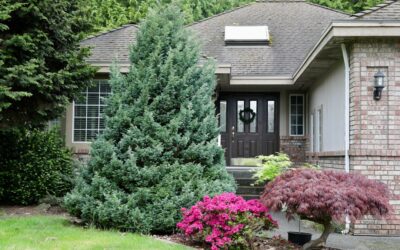
The most common landscaping mistake in front of a house is planting a cute 1-gallon shrub that grows into a 6-foot monster blocking the windows. Small bushes for landscaping solve that problem when you choose varieties bred to stay compact, not just ones that happen to be small at the garden center. True dwarf and miniature shrubs top out under about 3 feet with little or no pruning, which keeps borders crisp and walkways open for years.
The trick is matching the shrub to your light and to the look you want in winter. Evergreen dwarfs hold structure all year. Deciduous dwarfs often deliver more flowers and fall color but leave bare twigs from November to April. Most good designs mix both.
- What Counts as Small Bushes for Landscaping
- Evergreen Small Shrubs for Full Sun
- Evergreen Small Shrubs for Shade
- Deciduous Small Shrubs for Sun
- Deciduous Small Shrubs for Part Shade
- Spacing Guidance for Short Shrubs
- How to Plant Small Shrubs
- Pruning and Troubleshooting
- Costs and When to Hire a Landscaper
- Frequently Asked Questions
Options here are sorted by sun exposure and leaf type, with spacing rules, planting steps and maintenance tips to help each bed stay neat.
What Counts as Small Bushes for Landscaping
Plant tags use words like dwarf, compact and miniature loosely. A compact shrub might still reach 5 feet. For borders, foundation fronts and walkway edges, look at the listed mature height and width, and treat the larger number on a range as the realistic size after 10 years. For the purposes here, small means a mature height of roughly 1 to 3 feet.
Short bushes for landscaping work in a few key spots:
- Foundation fronts: the front row in a layered bed, below windows and in front of taller shrubs.
- Walkway and driveway edges: where plants must not spill onto paving.
- Border edging: low hedges that define beds without blocking views.
- Containers and small yards: townhome patios and courtyards.
Evergreen Small Shrubs for Full Sun
These keep foliage year-round and handle six or more hours of direct sun.
- Dwarf mugo pine: dense, mounding pine that stays 2 to 3 feet in compact selections. Very cold hardy, likes good drainage.
- Dwarf globe arborvitae: round, soft-textured balls 2 to 3 feet wide. Good for formal edges.
- Creeping and low juniper: spreading forms only 6 to 18 inches tall but several feet wide, excellent on slopes and hot strips by the driveway.
- Dwarf yaupon holly: a southern favorite that forms tight mounds 2 to 3 feet tall and tolerates heat, drought and shearing.
- Lavender and rosemary (in warm, dry climates): technically subshrubs, but they function as fragrant, gray-green low bushes in sunny beds.
Evergreen Small Shrubs for Shade
For north-facing foundations and spots under trees, these handle part to full shade.
- Dwarf boxwood: the classic low hedge, 1 to 3 feet depending on variety. Prefers afternoon shade in hot regions. Watch for boxwood blight in humid areas and choose resistant varieties.
- Dwarf Japanese holly: boxwood-like texture, mounds 2 to 3 feet, takes shade and acidic soil.
- Dwarf azalea: compact evergreen azaleas bloom in spring and stay 2 to 3 feet in dappled shade. Need acidic, well-drained soil.
- Sarcococca (sweetbox): glossy leaves and fragrant late-winter flowers, 1 to 2 feet tall in deep shade.
- Dwarf mountain laurel: slower growing, 2 to 3 feet, with clusters of spring blooms in woodland gardens.
Deciduous Small Shrubs for Sun
These drop their leaves in winter but offer the most flowers and seasonal color.
- Dwarf spirea: low, mounding shrubs 1.5 to 3 feet with pink or white flowers in late spring and bright foliage in some varieties. Easy and tough.
- Dwarf barberry alternatives: barberry is invasive in many states, so consider dwarf ninebark or dwarf weigela for similar burgundy foliage.
- Dwarf weigela: compact forms stay 1 to 3 feet with trumpet flowers that attract hummingbirds.
- Potentilla: 2 to 3 feet, blooms yellow, white or pink from June to frost and handles poor soil.
- Dwarf hydrangea (panicle types): compact panicle hydrangeas around 3 feet tall bloom heavily in summer sun.
- Shrub roses: low groundcover roses stay 1.5 to 2.5 feet and bloom in repeated flushes.
Deciduous Small Shrubs for Part Shade
- Dwarf fothergilla: fragrant white bottlebrush flowers in spring and brilliant orange-red fall color, 2 to 3 feet.
- Dwarf Virginia sweetspire: native shrub with drooping white flower spikes and red fall leaves, 1.5 to 3 feet. Tolerates wet soil.
- Dwarf deutzia: low mounds covered in white flowers in spring, about 2 feet tall.
- Bigleaf and smooth hydrangea dwarfs: compact forms around 2 to 3 feet bloom in morning sun and afternoon shade.
Before buying any miniature shrubs for landscaping, confirm the plant is suited to your USDA hardiness zone and is not listed as invasive by your state’s extension service.
Spacing Guidance for Short Shrubs
Crowding is the main reason small shrubs end up looking ragged. Space by mature width, not by the size of the pot.
- Find the mature width on the tag. Use the high end of the range.
- Space plants center to center at that width for a loose, natural look, or at about 75 percent of it for a continuous low hedge.
- Set the front row back from paving by at least half the mature width, so a 2-foot-wide shrub sits about 12 inches from the walkway edge.
- Keep shrubs 2 to 3 feet from the house wall for airflow, painting access and to keep moisture off siding.
- Group in odd numbers (3, 5, 7) for informal beds, or plant in straight rows for formal edging.
Short shrubs for landscaping look sparse for the first year or two. Fill gaps with mulch or annuals rather than adding more plants you will later need to remove.
How to Plant Small Shrubs
Tools and materials
- Spade or round-point shovel
- Hand trowel and soil knife
- Compost and shredded bark mulch
- Bypass pruning shears for trimming broken roots and stems
- Hose with a gentle spray nozzle
Steps
- Lay out the plants in their pots and adjust spacing before you dig.
- Dig each hole twice as wide as the root ball and the same depth.
- Loosen circling roots with your fingers. Trim any broken or badly wound roots cleanly with bypass shears.
- Set each shrub so the top of the root ball sits level with or slightly above the soil.
- Backfill, firm gently and water deeply.
- Spread 2 inches of mulch, keeping it a couple of inches from the stems.
- Water two to three times a week for the first month, then weekly through the first season in dry weather.
Fall is an excellent time to plant in most regions because roots grow while tops rest. Spring works well too, especially in very cold zones.
Pruning and Troubleshooting
Good dwarf varieties need little pruning, but a clean pair of bypass pruning shears is still essential. Bypass blades slice like scissors and leave clean cuts that heal quickly, unlike anvil types that can crush soft stems.
- Spring bloomers (azalea, spirea, deutzia): prune right after flowering.
- Summer bloomers (panicle hydrangea, potentilla, shrub roses): prune in late winter.
- Evergreens (boxwood, holly): light shaping in late spring after new growth hardens.
- Brown patches on evergreens: often winter burn or dog damage. Water before the ground freezes and use a burlap screen in exposed spots.
- Yellow leaves on azaleas or hollies: usually high soil pH. Test and adjust.
- Shrubs outgrowing the space: swap them for a smaller variety rather than shearing hard every year.
Costs and When to Hire a Landscaper
Small shrubs are among the most affordable landscape plants. One-gallon pots commonly run from the low teens to around thirty dollars, and 3-gallon sizes often cost a few dollars more each. Planting a full foundation bed professionally, including design, soil prep, plants and mulch, can range from several hundred to a few thousand dollars depending on bed size.
A landscape designer or contractor is worth hiring if you are redoing a large foundation bed, dealing with drainage problems near the house, or working on slopes that need grading. Always call your local utility locating service before digging, since gas, electric and communication lines often run close to foundations.
Frequently Asked Questions
What are the best small bushes for landscaping in front of a house?
Dwarf boxwood, dwarf yaupon holly, dwarf spirea, compact hydrangeas and dwarf globe arborvitae are reliable choices that stay under about 3 feet.
Which small shrubs stay green all year?
Dwarf boxwood, dwarf Japanese holly, dwarf mugo pine, low junipers and compact evergreen azaleas keep their leaves through winter.
How far apart should I plant small shrubs?
Space them at their mature width center to center, or about 75 percent of that width for a continuous hedge.
Can small bushes grow in shade?
Yes. Sweetbox, dwarf boxwood, dwarf azaleas, dwarf fothergilla and Virginia sweetspire all handle part to full shade.
When is the best time to plant small shrubs?
Fall is ideal in most regions because roots establish in warm soil while the tops are dormant. Spring is the next best window.