When people picture a sump pump, they usually imagine the one humming away in a basement pit. But an exterior sump pump—installed outdoors to collect and remove groundwater before it ever reaches your basement—can be an equally important part of keeping a home dry. Whether it handles runoff from an exterior drain tile system, empties a yard basin, or manages water in a walk-out or window-well area, an outdoor sump pump attacks moisture problems at the perimeter. Understanding how these systems work will help you decide if one belongs on your property.
Water is relentless, and the best defense is to intercept it before it can seep through foundation walls. An exterior sump system does exactly that, gathering water in a below-grade pit outside the home and pumping it to a safe discharge point away from the foundation.
- How an Exterior Sump Pump Works
- When You Need One
- Exterior Versus Interior Sump Systems
- Choosing the Right Pump
- Freeze Protection in Cold Climates
- What It Costs
- Installation Overview
- Maintenance
- Common Mistakes to Avoid
- Pairing With Proper Grading and Gutters
- Where to Discharge the Water
- Dry Ground, Sound Foundation
How an Exterior Sump Pump Works
An exterior sump system consists of a buried basin (the sump pit), a submersible pump, a float switch, and a discharge line. Groundwater and drainage collected by perimeter drain tile, French drains, or surface grading flows into the basin. When the water rises to a set level, the float switch activates the pump, which pushes water out through the discharge pipe to a location downhill or far from the house—often a storm drain, dry well, or daylight outlet in the yard.
Unlike an interior pump that sits in a conditioned basement, an exterior pump lives in the ground outdoors, so it must be built to handle burial, debris, and, in cold climates, the threat of freezing.
When You Need One
- Chronic yard flooding: Low spots that collect standing water after every rain can be drained to an exterior sump.
- Walk-out basements and stairwells: Below-grade entries and window wells that trap water benefit from a dedicated exterior pump.
- Exterior drain tile systems: A perimeter drain around the footing needs somewhere to send its water; an exterior sump is a common outlet.
- High water tables: Properties where groundwater sits close to the surface may need active pumping to stay dry.
- Protecting hardscaping: Patios, driveways, and retaining walls last longer when water is not allowed to pool and undermine them.
Exterior Versus Interior Sump Systems
Both approaches manage groundwater, but they intercept it at different points. An interior system collects water that has already reached the foundation, channeling it through drain tile inside the basement perimeter into a sump pit. An exterior system stops water outside before it contacts the wall. Interior systems are easier to install in an existing home because they don’t require excavating around the foundation, while exterior systems are ideal during new construction or major landscaping when the ground is already open. Many homes with serious water problems use both.
Choosing the Right Pump
For exterior use, look for a submersible pump built for durability and debris handling:
- Cast iron housing: Dissipates heat better and lasts longer than plastic in demanding outdoor service.
- Adequate horsepower: A 1/3 to 1/2 HP pump handles most residential needs, moving 2,000 to 4,000 gallons per hour depending on lift.
- Solids handling: Outdoor water carries more grit and debris, so a pump that can pass small solids resists clogging. For heavy debris, a sewage-style or effluent pump may be appropriate.
- Reliable float switch: A vertical or tethered float rated for outdoor conditions ensures the pump activates dependably.
Freeze Protection in Cold Climates
The biggest challenge for an exterior sump pump is winter. A frozen discharge line backs water up and can burn out the pump or cause overflow. To prevent freezing:
- Bury the discharge line below the frost line and slope it continuously so water fully drains after each cycle.
- Use a freeze-resistant discharge fitting or an air-gap “IceGuard” attachment that lets water escape at ground level if the buried line freezes.
- Terminate the discharge where it can drain by gravity, avoiding low spots where water sits and freezes.
- Insulate the basin lid and any exposed piping.
What It Costs
An exterior sump pump itself runs $150 to $500 depending on horsepower and build quality. The basin, check valve, and fittings add $100 to $300. Because installation typically involves excavation and burying discharge lines, professional installation ranges widely—$1,500 to $5,000 or more for a full exterior drainage system with a new sump. If you are installing during other landscaping or foundation work when the ground is already open, you can save considerably.
Installation Overview
- Locate the low point or the outlet of your drain tile where water naturally collects.
- Excavate and set a perforated basin surrounded by gravel to allow groundwater to enter freely.
- Place the submersible pump inside on a stable base, connect the discharge line with a check valve to prevent backflow, and route it below the frost line to a downhill outlet.
- Provide a GFCI-protected outdoor electrical outlet for power—this should be wired by an electrician if one does not exist.
- Cover the basin with a secure, vented lid to keep out debris and animals while allowing water in.
- Test by adding water to confirm the pump activates and discharges cleanly.
Maintenance
- Clear debris: Outdoor basins collect leaves, silt, and grit. Inspect and clean the pit a couple of times a year.
- Test the pump: Pour water in to confirm the float and pump work, especially before rainy and stormy seasons.
- Check the discharge: Make sure the outlet is clear and draining freely, and inspect for freeze protection before winter.
- Verify GFCI power: Confirm the outdoor outlet holds power and the GFCI hasn’t tripped.
Common Mistakes to Avoid
- Discharging too close to the house: Dumping water right beside the foundation defeats the purpose. Route it well away and downhill.
- No freeze protection: A frozen line in winter is the most common failure in cold regions.
- Undersized pump: A pump that can’t keep up during heavy rain lets water pool anyway.
- Skipping the check valve: Without one, discharged water flows back into the pit and cycles the pump needlessly.
- Uncovered basin: An open pit fills with debris and becomes a hazard.
Pairing With Proper Grading and Gutters
An exterior sump pump works best as part of a complete water-management strategy, not as a standalone fix. Before or alongside installing one, address the simpler and cheaper defenses first. Grading is foundational: the soil around your home should slope away from the foundation at least 6 inches over the first 10 feet, so surface water runs away rather than pooling against the walls. Gutters and downspouts should be clean and extended to discharge water at least 5 to 10 feet from the foundation—a clogged gutter dumping thousands of gallons right at the footing can overwhelm any drainage system. Only after grading and gutters are handled does an exterior sump pump make sense for the groundwater that remains. Together, these measures keep the sump from working overtime and dramatically reduce basement water problems.
Where to Discharge the Water
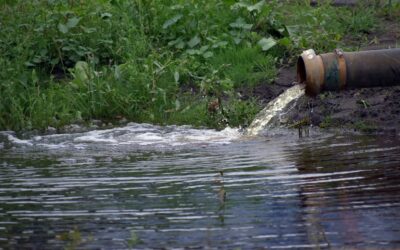
Choosing the right discharge point is critical and sometimes regulated. The water must go somewhere it will drain away and not return to your foundation or flood a neighbor’s property. Good options include a downhill area of the yard where water disperses, a dry well (a gravel-filled pit that lets water percolate into the soil), or a storm drain where local codes permit connection. Many municipalities prohibit discharging sump water into the sanitary sewer, so check local rules before connecting anything. Wherever you send it, keep the outlet well away from the house—ideally 10 feet or more—and make sure it can’t create an icy hazard on a walkway or driveway in winter.
Dry Ground, Sound Foundation
An exterior sump pump is a powerful tool for keeping groundwater away from your foundation, draining problem yard areas, and protecting below-grade entries. By stopping water at the perimeter before it can seep inside, it complements interior drainage and helps preserve your foundation, hardscaping, and landscaping. Choose a durable pump sized to your needs, protect the discharge from freezing, and maintain the basin, and you will have a reliable outdoor defense that keeps water where it belongs—away from your home.