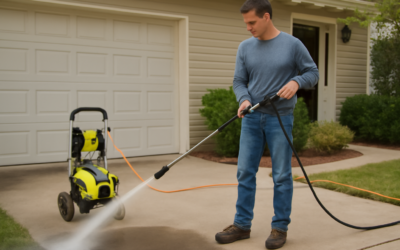
Portable, battery-powered cleaners have changed how homeowners tackle grime far from an outlet, and Fanttik is one of the brands driving that shift. A Fanttik pressure washer trades the bulk of a gas or corded unit for a lightweight, cordless design you can carry to the car, patio, or campsite. This guide covers what these machines do well, their real specs, and how to choose and maintain one.
- What Is a Fanttik Pressure Washer?
- How Cordless Pressure Washers Work
- Understanding the Specs: PSI and Flow
- Typical Nozzles and Accessories
- Battery Life and Run Time
- Best Uses for a Cordless Unit
- How to Choose the Right Model
- Setting Up and Using It
- Safety Considerations
- Maintenance and Storage
- Common Problems and Fixes
- Using Detergents the Right Way
- Water Source Tips
- How It Compares to Gas and Corded Washers
- Extending Battery Life
- Is It Worth Buying?
What Is a Fanttik Pressure Washer?
Fanttik makes compact, cordless electric pressure washers aimed at light to medium cleaning tasks. Instead of a heavy engine or a wall plug, these units run on rechargeable lithium battery packs, the same style used in cordless power tools. They draw water from a bucket, lake, or a garden hose, then pressurize it through a small pump to blast away dirt. The appeal is portability: you can clean anywhere without dragging a cord or hauling gasoline.
How Cordless Pressure Washers Work
A brushless motor drives a small piston or diaphragm pump that pressurizes incoming water. Because the machine sips from a bucket or a standard hose bib, it works even where there’s no strong water supply. A trigger gun and interchangeable nozzles let you dial the spray from a fine mist to a concentrated jet. The whole system is designed around a removable battery, so run time is limited by charge rather than by an extension cord’s reach.
Understanding the Specs: PSI and Flow
Pressure washers are rated by two numbers: PSI (pounds per square inch, the force) and GPM or LPM (the water flow). Cordless models like Fanttik’s typically fall in the 400 to 900 PSI range, which is a fraction of a gas unit’s 2,500 to 3,000 PSI but plenty for many everyday jobs. Flow is modest too, often under one gallon per minute, because the pump runs on battery power. The tradeoff is portability and safety on delicate surfaces versus raw stripping power.
Typical Nozzles and Accessories
- Adjustable or multi-angle nozzle: switch between a wide fan and a tight jet.
- Foam or soap bottle: apply detergent for cars and siding.
- Suction hose with filter: draw water from a bucket, barrel, or open water source.
- Garden hose adapter: connect to a standard spigot for continuous supply.
- Spare battery packs: swap in a fresh pack to extend working time.
Battery Life and Run Time
Run time is the key limitation of any cordless washer. Depending on the model and pressure setting, a Fanttik pack often delivers roughly 15 to 40 minutes of intermittent trigger use per charge. Higher pressure and continuous spraying drain the battery faster. Many owners buy a second battery so one charges while the other works. Charging a pack typically takes one to two hours, and some units support fast charging to shorten downtime.
Best Uses for a Cordless Unit
These machines excel at portable, lighter-duty cleaning where a gas washer would be overkill. Ideal jobs include:
- Rinsing bikes, ATVs, and muddy off-road gear
- Washing cars, trucks, and RVs without a driveway spigot
- Cleaning patio furniture, grills, and planters
- Spraying down camping gear, coolers, and kayaks
- Rinsing pets, boots, and garden tools
For stripping paint, cleaning large driveways, or removing heavy oil stains, a corded or gas washer with far higher PSI is the better tool.
How to Choose the Right Model
- Match pressure to the task: higher PSI for grime, lower for delicate surfaces.
- Check battery capacity: larger amp-hour packs mean longer run time.
- Look at water source options: bucket suction adds flexibility away from spigots.
- Weigh portability: lighter units are easier to carry but may hold smaller batteries.
- Count included accessories: extra nozzles, a foam bottle, and a spare battery add value.
Setting Up and Using It
Getting started is quick. Charge the battery fully, attach the desired nozzle, and connect your water source, either the suction hose dropped into a bucket or the garden hose adapter on a spigot. Insert the battery, squeeze the trigger to prime the pump, and begin spraying. Start with a wider fan pattern and move closer only as needed. Keep the nozzle moving to avoid etching softer surfaces, and hold it at a slight angle when lifting dirt off pavers or siding.
Safety Considerations
Even at lower pressures, a concentrated jet can injure skin, damage paint, or force water behind siding. Never point the wand at people or pets, wear eye protection, and keep firm footing on wet ground. Because these are electric, keep the battery and charger dry and store them indoors. Avoid spraying directly at electrical outlets, light fixtures, or vehicle sensors and cameras at close range.
Maintenance and Storage
Cordless washers are low-maintenance, but a few habits keep them working. After each use, run clean water through the pump to flush out detergent and grit, then relieve pressure by squeezing the trigger. Wipe the unit dry and store it above freezing, since trapped water can crack the pump if it freezes. For long storage, charge the battery to a middle level rather than full or empty, and top it off every few months to preserve capacity.
Common Problems and Fixes
- Weak or no pressure: check for a clogged nozzle, a low battery, or an air-locked pump that needs re-priming.
- Won’t draw from a bucket: confirm the filter is submerged and the suction hose has no leaks.
- Pulsing spray: often air in the line; run water through until it steadies.
- Short run time: an aging battery or high-pressure setting; try a fresh pack.
- Leaks at connections: reseat fittings and check O-rings for wear.
Using Detergents the Right Way
Soap does much of the cleaning work that raw pressure cannot on a cordless unit, so learning to use it well matters. Fill the foam bottle with a diluted, pressure-washer-safe detergent, never household bleach or harsh solvents that can damage seals. Apply the foam with the low-pressure nozzle from the bottom of a surface upward to avoid streaks, let it dwell for a few minutes without drying, then rinse from the top down with a higher-pressure setting. On cars, work in sections and use a separate mitt for stuck-on grime, since the modest flow of a battery unit rinses better than it scrubs.
Water Source Tips
One of the biggest advantages of a cordless washer is drawing from a bucket, but the setup affects performance. Keep the intake filter fully submerged and free of debris, use clean water to protect the pump, and position the bucket close to and slightly below the unit for a smooth draw. A five-gallon bucket typically lasts several minutes of trigger time at these flow rates, so have a refill ready for bigger jobs. If a garden spigot is available, the hose adapter gives continuous water and steadier pressure than bucket suction.
How It Compares to Gas and Corded Washers
A cordless unit is not a replacement for a full-size washer; it is a different tool for a different job. Gas models offer the most power and endless run time but are heavy, loud, and need fuel and maintenance. Corded electric washers are lighter and quieter but tether you to an outlet. Cordless models like Fanttik win on portability and convenience for quick, moderate jobs, at the cost of pressure and run time.
Extending Battery Life
The lithium packs that power these washers reward good habits. Avoid draining them completely, store them at a partial charge in a cool spot, and keep them away from extreme heat in a car trunk or direct summer sun. Most packs are rated for several hundred charge cycles before capacity noticeably drops, and treating them gently keeps run time strong for years. If you rely on the washer often, a second battery is the single best upgrade, letting you clean continuously by swapping packs while one recharges.
Is It Worth Buying?
If your cleaning needs are frequent but light, and you value the freedom to work anywhere, a cordless unit earns its keep. It shines for car owners without a nearby faucet, campers, cyclists, and anyone tired of untangling cords. Buyers who regularly strip driveways or clean large surfaces will still want a high-PSI machine as their primary tool.
For grab-and-go cleaning around the home, yard, and beyond, a Fanttik pressure washer offers a genuinely convenient package: light weight, cordless freedom, and enough pressure for the everyday grime most homeowners face. Match the model’s PSI and battery capacity to your typical tasks, care for the pump and battery, and it will handle countless quick cleanups for years.