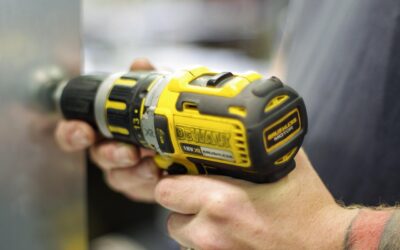
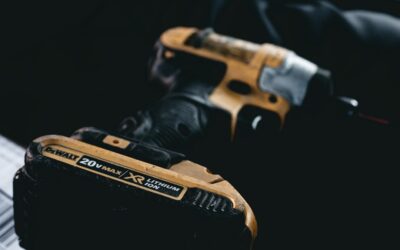
If you already own a drawer full of DeWalt 20V MAX batteries for your drill, impact driver, and circular saw, adding a cordless washer that runs on the same packs is an easy call. The DeWalt pressure washer 20v draws water from a bucket or garden hose and pressurizes it using DeWalt’s familiar yellow-and-black battery platform, so there is no cord to trip over and no gas to mix. It is a portable-class machine, delivering enough pressure for cars, patios, and light grime without the bulk of a full-size unit.
- How the 20V System Works
- Pressure, Flow, and What to Expect
- Run Time and Battery Strategy
- Included Nozzles and Accessories
- Best Jobs for the DeWalt 20V Washer
- DeWalt 20V vs Corded and Gas Washers
- Maintenance and Storage
- Getting Longer Run Time From Your Batteries
- Pricing and What Comes in the Kit
- Is the DeWalt 20V Pressure Washer Worth It?
How the 20V System Works
The whole premise rests on DeWalt’s 20V MAX battery ecosystem, which powers dozens of tools. Slot in a charged pack, drop the intake hose into a 5-gallon bucket or connect a garden hose, and the onboard pump pressurizes the water for the spray wand. Because it shares batteries with the rest of your DeWalt lineup, you are not buying a proprietary pack that only fits one tool.
Higher-capacity batteries such as a 6.0Ah or 9.0Ah FlexVolt run the washer longer and often at slightly stronger sustained pressure than a small 2.0Ah pack. If you own the bigger batteries, you get more out of this washer than someone starting from a compact kit. That shared-battery economics is the whole argument for buying into a platform. Once you own several 20V MAX packs and a fast charger, each new tool you add, whether a washer, a blower, or an inflator, costs less because you are only paying for the bare tool, not another battery and charger bundle.
Pressure, Flow, and What to Expect
This is a portable washer, so set expectations to match that class rather than a gas machine. It produces meaningful cleaning pressure for its size, but it will not match the 2,500-plus PSI of a corded electric or gas unit.
- Pressure: Roughly 550 to 800 PSI depending on the battery and model.
- Flow: Around 0.5 to 1.0 gallons per minute, low enough that a bucket lasts a while.
- Water source: Draws from a bucket, barrel, or garden hose, so a faucet is optional.
- Weight: Light and one-hand portable, easy to carry to a car in the driveway or a boat at the ramp.
Think of it as a pressurized rinse and spot-clean tool rather than a surface stripper.
Run Time and Battery Strategy
Run time depends entirely on which battery you feed it. A small 2.0Ah pack might give 8 to 12 minutes of continuous spraying, while a 9.0Ah FlexVolt can push past 30 minutes. Since most washing happens in bursts, trigger down between passes, actual working time stretches much further than continuous run figures suggest.
The smart play is to keep two batteries on the charger and rotate them. If you are already a DeWalt owner, you likely have spares, which is the real advantage of the platform. Store packs indoors above 40°F and charge them before long periods of disuse to protect cell life.
Included Nozzles and Accessories
The kit typically arrives with everything needed to start cleaning, and the nozzle set defines its versatility.
Standard Tips
- Adjustable fan-to-jet nozzle: Twist for a wide rinse or a focused stream on tough spots.
- Soap applicator: Draws detergent into the flow for washing cars and siding.
- 25-foot high-pressure hose: Enough reach to circle a vehicle without moving the unit.
- Bucket intake hose with filter: Lets the washer pull from any open water source.
Keep the intake filter clean, because grit is the leading cause of weak flow in bucket-fed washers.
Best Jobs for the DeWalt 20V Washer
Portability and battery power make this washer ideal for tasks where dragging out a full machine is more trouble than the job is worth. It shines in situations away from an outlet or faucet.
- Washing cars, trucks, and ATVs: Enough pressure to rinse foam without harming paint or trim.
- Cleaning outdoor furniture and grills: Blows off pollen, dust, and light grease.
- Rinsing muddy tools and jobsite gear: A natural fit for contractors already on the DeWalt system.
- Boats, kayaks, and trailers: Rinse salt and sand at the launch with a bucket of fresh water.
- Deck and patio spot cleaning: Targets specific stains without the overkill of a gas washer.
DeWalt 20V vs Corded and Gas Washers
Choosing between cordless, corded, and gas comes down to the job and where you do it. Each has a clear lane.
- DeWalt 20V (cordless): Best for portability, quick jobs, and anyone invested in the battery platform. Limited pressure and run time.
- Corded electric: Delivers 1,800 to 2,300 PSI for driveways and siding, but you are tethered to an outlet and hose.
- Gas: 2,500 to 3,300 PSI for the heaviest cleaning, at the cost of noise, weight, and fuel.
Many homeowners own a corded or gas washer for big jobs and keep the 20V for grab-and-go tasks.
Maintenance and Storage
Cordless washers are low-maintenance, but a few habits keep the pump healthy. After every use, run clean water through for 30 seconds to flush detergent and grit from the internal seals. Rinse the intake filter and let the unit dry before storing it and the batteries indoors above freezing.
Never run the pump dry, which quickly damages the seals through cavitation. Before winter, purge remaining water from the pump and hose so nothing freezes and cracks the housing. Treated well, the machine lasts several seasons, and the batteries keep serving your other tools.
Getting Longer Run Time From Your Batteries
Battery life is the chief limitation of any cordless washer, so a few habits stretch every charge further. The biggest gain comes from feeding it a larger pack. Stepping from a 2.0Ah battery to a 5.0Ah or a 9.0Ah FlexVolt can double or triple your working time, and if you already own bigger batteries for a saw or a mower, use them here rather than the small starter pack.
Trigger discipline matters as much as battery size. You do not need to hold full flow the entire time; release the trigger between passes, while you reposition, and while soap dwells. Because so much of any wash is spent moving around rather than actively spraying, an intermittent style can nearly double the real-world life of a charge compared with continuous spraying.
Detergent again earns its keep. Applying soap, letting it work, and rinsing means the washer does less brute-force scrubbing, so you spray for shorter bursts overall. Finally, keep batteries at a moderate temperature. A pack that is very cold or very hot delivers less usable capacity, so on a chilly morning let batteries warm to room temperature before use, and avoid leaving them baking in a sunny truck bed. These small steps add up to noticeably longer sessions between charges.
Pricing and What Comes in the Kit
The DeWalt cordless power cleaner typically sells as a bare tool for about $130 to $180, or as a kit with a battery and charger for roughly $250 to $350, depending on the pack size DeWalt bundles in. Because the whole appeal is shared batteries, most existing DeWalt owners buy the bare tool and feed it packs they already have, which keeps the entry cost low. Replacement wands, hoses, and nozzle tips are inexpensive and widely stocked at the same retailers that carry the rest of the 20V MAX line.
When you compare that against a portable gas washer at $300 to $450 plus fuel and oil, or a corded electric at $120 to $200 that ties you to an outlet, the cordless model earns its place on convenience rather than raw power. It is the tool you grab for a ten-minute job when hauling out and priming a bigger machine feels like more effort than the task deserves. Keep a spare pack charged, and it is ready the moment you are.
Is the DeWalt 20V Pressure Washer Worth It?
For anyone already committed to DeWalt’s battery platform, the DeWalt pressure washer 20v is a low-friction addition that turns spare packs into a portable cleaning tool. It will not replace a gas machine for driveways and siding, but for cars, gear, boats, and jobsite cleanup away from an outlet, it earns its spot. Pair it with a larger FlexVolt battery for longer run time, keep the intake filter clean, and you have a genuinely convenient washer that leans on batteries you already own.