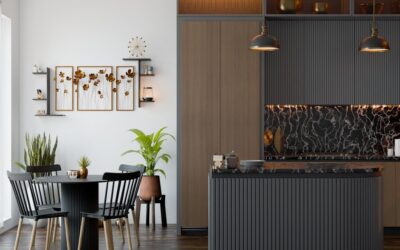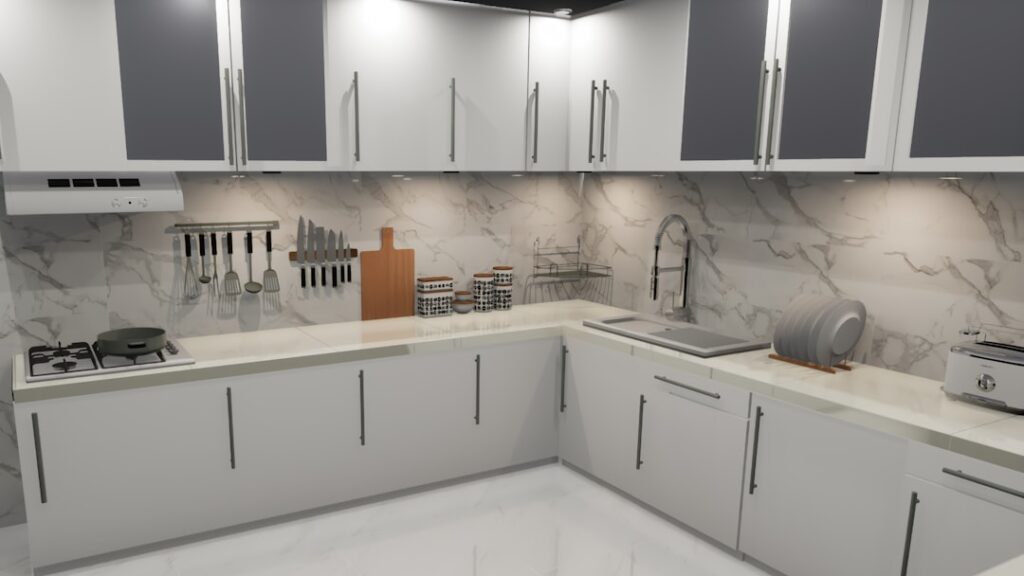
The all-white farmhouse kitchen is having a quiet evolution, and color is leading it. A farmhouse sage green kitchen island brings soft, nature-inspired warmth to a space without abandoning the cozy, timeless character that makes farmhouse style so beloved. Sage is the rare color that feels both fresh and grounded, which is exactly why it has become a favorite for the one element designers love to make stand out: the island.
Part of our Kitchen Remodeling guide — explore the full guide →
Here is how to use sage green on your island and pull the whole kitchen together around it.
Why Sage Green Works So Well
Sage is a muted, gray-green that reads as a soft neutral rather than a bold statement, which is the secret to its versatility. It evokes herbs, foliage, and the outdoors, tying naturally into the farmhouse ideal of a warm, lived-in country kitchen. Because it is desaturated, it pairs easily with the whites, creams, and natural woods that define the style, and it stays calming rather than trendy. Used on the island, it adds just enough color to create a focal point while keeping the room serene.
Pairing With Your Perimeter Cabinets
The most popular and reliable approach is a sage green island set against lighter perimeter cabinetry. This two-tone strategy lets the island anchor the room. Consider these combinations:
- White or off-white perimeter cabinets for crisp, classic farmhouse contrast
- Cream or warm ivory cabinets for a softer, more vintage feel
- Natural wood open shelving to echo the organic mood of the green
- Light gray cabinets for a cooler, more contemporary farmhouse blend
Keeping the perimeter light ensures the sage island remains the star and the kitchen feels open rather than heavy.
Choosing the Right Countertop
Your island countertop sits directly on the sage cabinetry, so the pairing is critical. Strong options include:
- White or light marble-look quartz, whose soft veining complements sage beautifully and adds a touch of elegance
- Butcher block or wood, which leans warm and rustic and reinforces the farmhouse feel
- Honed white or light granite for a natural, low-sheen surface
- Soft white solid surface for a clean, budget-friendly contrast
A light countertop brightens the green base and keeps the island from feeling top-heavy. A wood top, by contrast, dials up the cozy country character.
Hardware That Completes the Look
Hardware is the jewelry of the kitchen, and against sage green it carries real impact. Warm metals are the natural partners for this color palette:
- Brass or gold for warmth and a touch of refinement that pops against the muted green
- Oil-rubbed bronze or matte black for a more traditional, grounded farmhouse look
- Brushed nickel for a softer, understated finish
Cup pulls and bin pulls suit the farmhouse aesthetic especially well, while simple knobs keep things classic. Whatever you choose, carry the same finish through your faucet and lighting so the metals feel intentional.
Lighting and Finishing Touches
Pendant lights over the island are a chance to reinforce the style. Black metal, woven rattan, or warm brass pendants all complement a sage island and add the layered, collected look farmhouse kitchens are known for. Below the counter, a couple of woven stools, a stack of ceramic bowls, or a small herb arrangement keep the island feeling lived-in. Sage green pairs naturally with greenery, so a potted plant or fresh herbs are a fitting, easy accent.
Choosing the Right Shade of Sage
Sage is not a single color but a whole family of muted greens, and the exact undertone you pick dramatically changes the mood. Cooler, grayer sages feel calm, contemporary, and a touch sophisticated, pairing well with white marble and brass. Warmer, more yellow-leaning sages lean cozier and more traditional, sitting beautifully alongside wood tones and cream cabinetry. Always test paint samples directly on the island or a sample door and view them at different times of day, since kitchen lighting, both natural and artificial, shifts how green reads. A swatch that looks perfect at the store can turn unexpectedly gray or olive in your space, so living with a sample for a few days before committing saves expensive regret.
Flooring That Complements Sage
The floor anchors the whole scheme, and sage is forgiving enough to work with many options. Warm wood flooring, from light oak to medium walnut tones, reinforces the natural, farmhouse spirit and balances the cool side of sage. Wide-plank engineered wood and wood-look luxury vinyl plank deliver that warmth with extra durability against the spills and traffic a kitchen sees. For a brighter, more contemporary take, light gray or greige flooring keeps the room airy and lets the island’s color stand out. Stone-look porcelain tile in soft neutrals is another durable choice that suits the style. Whatever you choose, keep the floor in a warm or neutral tone so it grounds the sage rather than competing with it.
Balancing the Whole Room
To keep the kitchen cohesive, echo the sage somewhere else in small doses, such as in a window treatment, a runner, a few ceramic pieces, or a coordinating backsplash accent. This repetition makes the island feel like part of a designed scheme rather than a one-off. Keep the rest of the palette light and warm, lean on natural materials like wood and woven textures, and let the sage island provide the room’s quiet color story.
Backsplash Ideas for a Sage Island
The backsplash behind your perimeter cabinets ties the whole scheme together, and a few directions work especially well with a sage green island. Classic white subway tile is the safe, timeless choice, keeping the walls bright so the green island remains the focal point. For more texture, a handmade-look zellige tile in white or soft cream adds subtle variation and an artisanal, farmhouse feel. If you want to echo the green, a sage or muted green tile in a smaller dose, or even a quiet patterned tile with green accents, reinforces the palette without overwhelming it. Natural stone such as honed marble brings elegance and its veining can pick up the cool tones in sage. Keep grout soft and neutral so the backsplash supports the design rather than competing with the island.
The Bottom Line
A farmhouse sage green kitchen island brings soft, timeless color to one of the home’s most central spaces. Pair it with light perimeter cabinets, a bright marble-look or warm wood countertop, and warm metal hardware in brass, bronze, or matte black. Add layered pendant lighting, a touch of greenery, and a few echoes of sage elsewhere in the room, and you will have a kitchen that feels both fresh and enduringly cozy.