Walk into almost any new-build kitchen in 2026 and you will see some version of muted green paint on at least one wall or cabinet run. Sage green kitchen walls hit a sweet spot between the white-on-white fatigue of the last decade and the heavier earth tones creeping back into home design. The color reads as natural, a little vintage, and warm under typical kitchen lighting. Before you commit a weekend to taping and rolling, understand which undertones work, what to pair them with, and where sage can quietly fail.
What Actually Counts as Sage
True sage sits in the gray-green family with a slight yellow undertone, named after the herb. Anything too saturated reads as mint or olive rather than sage. When you pull chips at Sherwin-Williams or Benjamin Moore, look for LRV (Light Reflectance Value) between 45 and 60. Below 45 and the kitchen gets gloomy. Above 60 and the color washes out to a pale sea glass that fights with white cabinetry.
The three shades contractors pull again and again are Sherwin-Williams Evergreen Fog SW 9130, Benjamin Moore Saybrook Sage HC-114, and Farrow and Ball Mizzle No. 266. Each has a slightly different bias. Evergreen Fog leans cool, Saybrook Sage reads warmer thanks to a touch of yellow, and Mizzle drifts gray in north-facing rooms.
Best Cabinet Colors to Pair With Sage
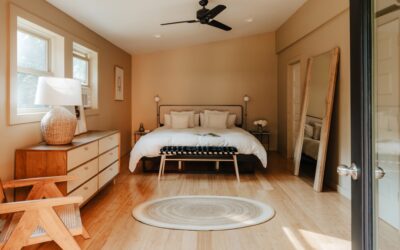
Sage is a chameleon that shifts depending on the cabinets beside it. Warm white cabinets like Benjamin Moore White Dove create a crisp contrast without fighting the green. Natural oak or rift-cut white oak is the most popular current pairing because the wood grain echoes the earthy vibe. Cream or bone-colored Shaker cabinets soften the whole look for a cottage feel.
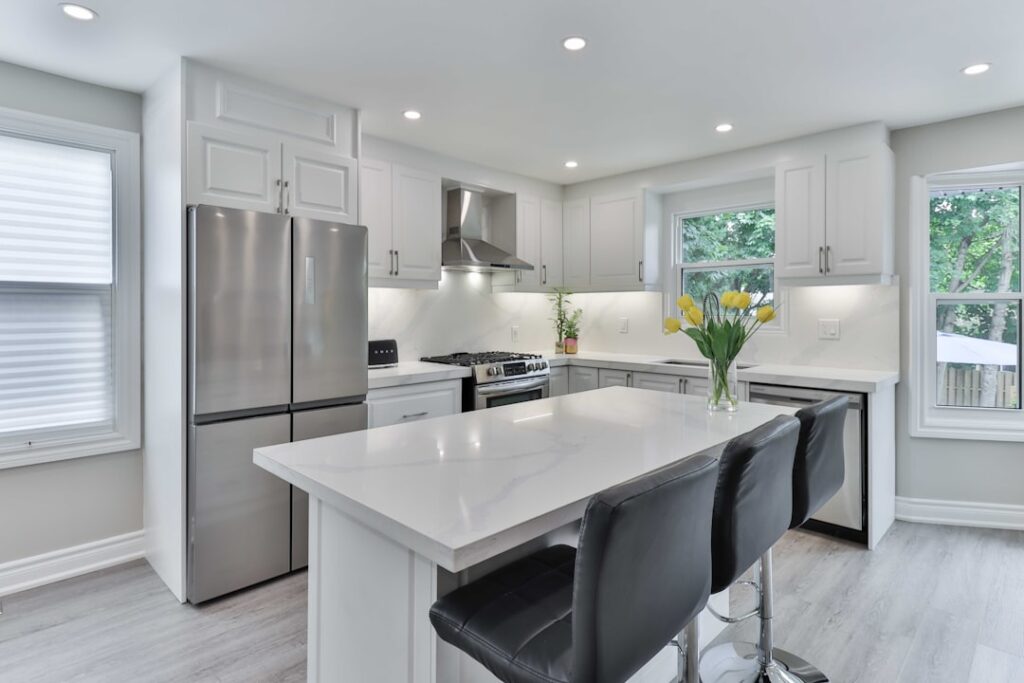
Skip pure arctic white cabinets unless your sage is on the deeper end of the range. Against a stark white like Decorators White, a light sage wall can look washed out and a touch dingy. Walnut and espresso cabinets also work if you want drama, but limit them to bases and run sage all the way up to the ceiling.
Countertops and Backsplash That Complement Sage
White quartz with subtle gray veining is the safest countertop match. Cambria Brittanicca Warm and Caesarstone Calacatta Nuvo both ground sage walls without competing. For a more custom look, consider honed soapstone, which picks up the green cast in certain lights and ages to a beautiful patina.
On the backsplash, think beyond basic white subway tile. These options pull more life out of sage green kitchen walls:
- Zellige tile in off-white or cream: The handmade variation adds texture that plays off the organic feel of sage.
- Vertical stacked cream subway: Modern without clashing. Budget around $12 to $18 per sq ft installed.
- Natural marble like Calacatta Gold: Upscale option. The warm veining bridges sage and brass hardware beautifully.
- Green zellige in a deeper tone: Monochromatic layering. Works best in farmhouse or cottage kitchens.
- Terracotta or unglazed brick: For a Mediterranean vibe. Pair with unlacquered brass fixtures.
Lighting Makes or Breaks the Color
Sage behaves differently under each type of bulb, and most kitchens have at least three light sources. Stick to 2700K to 3000K LEDs for a warm, flattering cast. Anything at 4000K or above will pull the green toward gray and drain the warmth right out of the space. This is the single biggest reason homeowners repaint within a year.
Natural light matters too. North-facing kitchens amplify cool tones, so pick a sage with yellow in it like Saybrook Sage. South-facing kitchens get plenty of warm sun, which lets you go with a cooler sage like Evergreen Fog without the room feeling cold. Always paint a 2 ft by 2 ft sample and watch it at 8 a.m., noon, and 7 p.m. before buying gallons.
Finish, Prep, and Application
For kitchen walls, pick an eggshell or satin finish. Matte hides roller marks but cannot handle grease splatter near the range. Satin wipes clean but shows every imperfection in the drywall. Eggshell is the middle ground most pros default to. Budget about $60 to $75 a gallon for Benjamin Moore Regal Select or Sherwin-Williams Emerald, and plan on two coats over a tinted primer.
Before you roll, degrease walls with a TSP substitute because airborne cooking grease will cause paint to streak or peel. Caulk any gaps between upper cabinets and the wall so paint edges stay crisp. Use a 3/8-inch nap roller for light texture and cut in with a high-quality 2.5-inch angled brush like the Wooster Shortcut.
Hardware, Floors, and Decor That Tie It Together
Brass and brushed gold hardware are the dominant pairing right now. Unlacquered brass from brands like Rejuvenation develops a living patina that echoes the organic feel of sage. Matte black hardware still works but can feel harder next to a soft green. Polished chrome looks dated in this palette.
For flooring, natural oak or lighter luxury vinyl planks in a warm honey tone keep the palette grounded. Avoid gray-washed laminate, which fights with the yellow undertones in sage and makes the whole room feel off. Finish with open shelving styled with white ironstone, wood cutting boards, and a pop of terracotta for warmth.
Common Mistakes to Avoid
The biggest error is buying a sage from a phone photo without sampling. Screens shift the color dramatically. The second is going too dark in a small kitchen with little natural light. A 100 sq ft galley with one window and deep sage walls will feel like a cave no matter how good the lighting fixtures are. Finally, do not pair sage with cool gray floors and cool gray countertops. That combination reads as murky and institutional rather than warm and layered.