Wood rots, vinyl melts near heat, and aluminum dents — which is a big part of why fiber cement siding has become the go-to exterior for homeowners who want durability without giving up curb appeal. Made from a blend of cement, sand, and cellulose fibers, this material shrugs off fire, insects, and rot while mimicking the look of wood clapboard, shingles, or stucco. It costs more than vinyl up front, but its 50-year lifespan and low maintenance change the long-term math considerably.
- What Fiber Cement Siding Is Made Of
- The Real Advantages
- The Drawbacks to Weigh
- What Fiber Cement Siding Costs
- Installation Basics
- Maintenance Over the Years
- Climate Performance Across Regions
- Color and Finish Choices
- Warranty and What It Covers
- Fiber Cement vs. Vinyl and Wood
- Is It the Right Choice for You?
What Fiber Cement Siding Is Made Of
The recipe is deceptively simple: Portland cement, silica sand, and cellulose wood fibers, pressed and cured into rigid boards. The cellulose adds flexibility so the boards resist cracking, while the cement gives them their density and fire resistance. James Hardie popularized the category so thoroughly that many people use the brand name generically, though several manufacturers make comparable products.
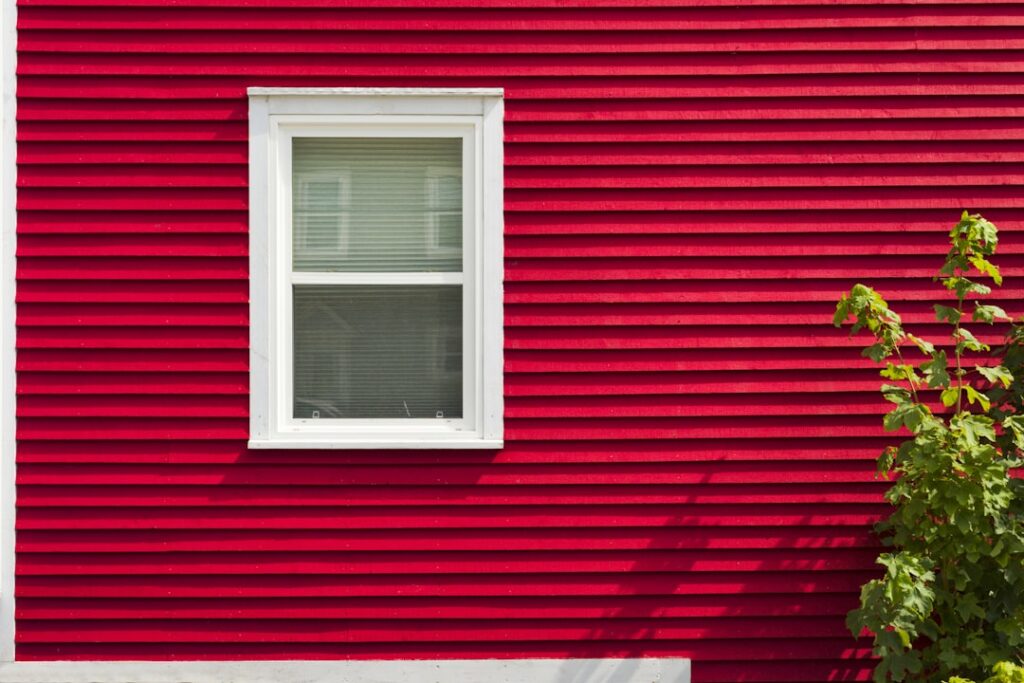
The result is a plank or panel that weighs roughly two and a half times more than vinyl and behaves much more like real wood in appearance. Deep wood-grain textures are pressed into the surface, and up close the difference from painted cedar is hard to spot.
The Real Advantages
Fiber cement’s reputation rests on a genuinely strong list of benefits:
- Fire resistance: It is noncombustible and often earns insurance discounts in wildfire-prone regions.
- Pest and rot proof: Termites and carpenter ants have nothing to eat, and it will not rot in damp climates.
- Weather durability: It withstands hail, high winds up to 130 mph in rated systems, and harsh sun without warping.
- Long lifespan: Manufacturers back it with warranties of 30 to 50 years.
- Paint holds well: Factory-finished options like ColorPlus can go 15 years between repaints.
That combination is why fiber cement consistently ranks near the top for return on investment among exterior remodeling projects.
The Drawbacks to Weigh
No siding is perfect, and fiber cement’s downsides are real. It is heavy, which makes installation more labor-intensive and often requires two people to handle full planks. Cutting it releases silica dust that must be controlled with special blades and dust collection, since the dust is a respiratory hazard.
The upfront cost sits well above vinyl. And while the material resists moisture, it is not waterproof on its own — proper flashing, caulking, and a rain screen or house wrap behind it are essential. Skip those details and moisture can wick into board edges over time, causing swelling.
What Fiber Cement Siding Costs
Budgeting starts with the material, but labor usually dominates the total. Expect these ranges for a professionally installed job:
- Material only: Roughly $1 to $5 per square foot depending on style and finish.
- Installed cost: Typically $6 to $13 per square foot including labor.
- Average home total: A 2,000-square-foot exterior often lands between $14,000 and $25,000.
Pre-finished siding costs more per board than primed boards you paint yourself, but it saves the labor and expense of field painting and comes with a color warranty. For most homeowners, the factory finish is worth the premium.
Installation Basics
Fiber cement is not a typical DIY project because of its weight, the specialized cutting, and the precision the fastening requires. Boards are nailed or screwed to studs over a weather-resistant barrier, with each course overlapping the one below. Proper gapping at butt joints and around windows, sealed with high-quality caulk, controls water intrusion.
Cutting requires a specialized fiber cement blade or shears, plus a respirator and dust collection to manage silica. Because the material is unforgiving of mistakes and the warranty often depends on correct installation, most homeowners hire a contractor experienced specifically with fiber cement rather than general siding.
Maintenance Over the Years
This is where fiber cement earns its keep. Beyond an annual rinse with a garden hose to clear dirt and mildew, it asks very little. Inspect the caulk lines around windows, doors, and joints once a year and reseal any that have cracked, since those seams are the material’s main vulnerability.
Painted fiber cement holds color far longer than wood because it does not expand and contract as much, so paint does not crack and peel the same way. When repainting is eventually needed — every 10 to 15 years — the surface takes paint beautifully with no scraping of rotted areas required.
Climate Performance Across Regions
One of fiber cement’s underrated strengths is how well it adapts to wildly different climates. In the humid Southeast, where wood siding rots and vinyl can grow mildew, fiber cement shrugs off moisture and resists the fungal growth that plagues other materials. In the arid, sun-baked Southwest, it does not warp or fade the way vinyl does under relentless UV exposure. And in the freeze-thaw North, quality fiber cement holds up to repeated cycles without cracking when installed with proper gapping.
Manufacturers engineer regional formulations precisely because these demands differ so much. If you live in a wildfire-prone area of California or Colorado, the noncombustible rating is not just a nice bonus — it can be the difference in whether your home survives an ember storm, and it frequently earns a discount on homeowner’s insurance. Matching the right product to your climate zone is worth a conversation with your supplier before ordering.
Color and Finish Choices
Fiber cement gives you two finishing paths, and the decision affects both cost and longevity. Factory-finished siding — James Hardie’s ColorPlus is the best-known example — arrives with a baked-on color coat applied under controlled conditions, delivering a uniform finish that resists fading and carries a 15-year finish warranty. You pay more per board, but you skip field painting entirely and get a longer-lasting color.
Primed siding, by contrast, comes ready to paint on site with your choice of color. It costs less up front and lets you match any shade, but you take on the labor and expense of painting, and a field-applied finish typically needs refreshing sooner than a factory one. For most homeowners who want to set it and forget it, the factory finish justifies its premium; for those wanting a custom color or handling their own painting, primed boards make sense.
Warranty and What It Covers
Fiber cement’s long warranties are a genuine selling point, but read the fine print. The material warranty — often 30 to 50 years — typically covers manufacturing defects and resistance to rot, cracking, and pest damage, and it is frequently prorated after a certain period. The separate finish warranty on factory-colored products covers fading and peeling, usually for around 15 years.
Critically, most warranties are contingent on installation following the manufacturer’s published specifications — correct fastening, gapping, flashing, and clearances from the ground and roof. This is a major reason to hire an installer experienced specifically with fiber cement: a sloppy install can void the very warranty that makes the product attractive. Keep your documentation and, if you sell, understand that many warranties are transferable to the new owner, which is a selling point in itself.
Fiber Cement vs. Vinyl and Wood
Against vinyl, fiber cement wins on durability, fire resistance, and upscale appearance, but costs two to three times more and is harder to install. Vinyl remains the budget champion and never needs painting. Against real wood, fiber cement delivers a nearly identical look with none of the rot, pest, or fire vulnerability, and it needs far less upkeep — though purists still prefer authentic cedar.
The deciding factor is usually how long you plan to stay and your climate. In fire zones, humid regions, or areas with heavy pests, fiber cement’s resistance pays off. If you are budget-driven or plan to move soon, vinyl may make more sense.
Is It the Right Choice for You?
Fiber cement siding suits homeowners who want a durable, low-maintenance exterior that looks like painted wood and will outlast them without rotting or burning. The higher upfront cost buys decades of peace of mind and strong resale appeal. If your budget is tight or you are handling installation yourself, the weight and dust control may steer you elsewhere. But for a long-term home in a demanding climate, few materials offer the same balance of looks, toughness, and longevity — which is exactly why it has become one of the most specified sidings in the country.