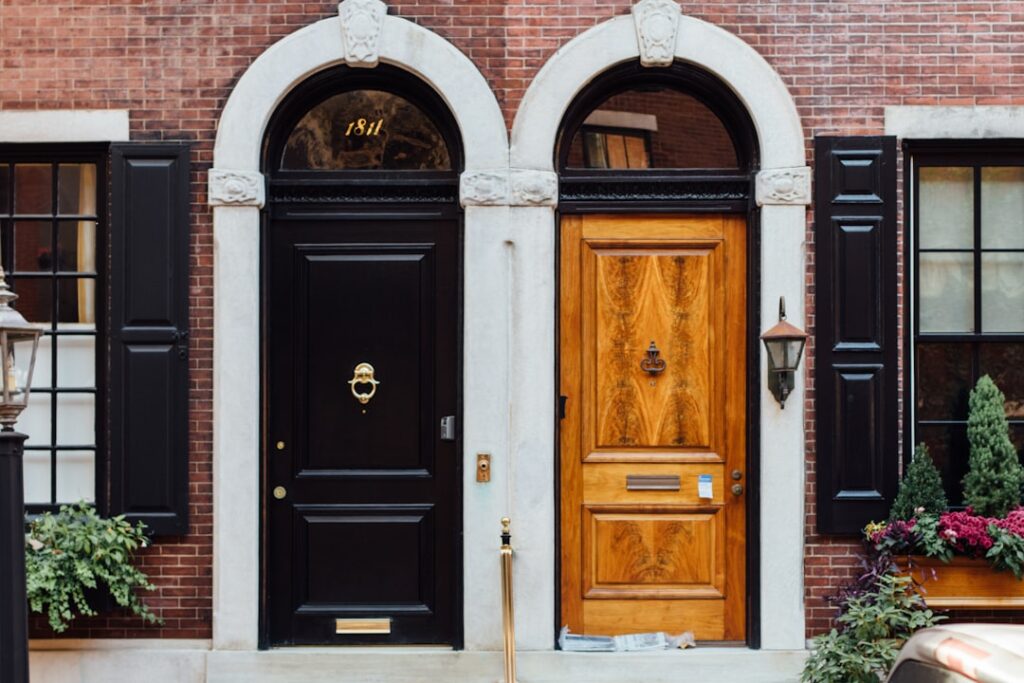
Choosing a new front or back entry door usually narrows to two materials, and the fiberglass vs steel exterior doors decision trips up a lot of homeowners because both are affordable, energy-efficient, and far more practical than wood. The truth is that neither is universally better; they simply excel in different ways. Steel leads on raw security and upfront price, while fiberglass wins on durability, low maintenance, and the ability to convincingly mimic real wood. The right choice depends on your climate, your budget, how much traffic the door sees, and what matters most to you. This side-by-side breakdown makes the decision clear.
Part of our Windows & Doors guide — explore the full guide →
Quick Overview of Each Material
A steel door has a skin of galvanized steel over a wooden or steel frame, with a foam insulation core inside. It is the budget-friendly, security-focused option found on countless homes and is prized for strength.
A fiberglass door has a molded fiberglass composite skin, also over an insulated core, and can be smooth or textured to imitate wood grain. It costs more but resists the dents, rust, and weather problems that steel can develop. Understanding how each performs across the categories that matter helps you match the door to your needs.
Durability and Weather Resistance
This is where the two diverge most sharply. Steel is tough against impact but vulnerable to its own weaknesses. Dents from kids, pets, or a stray shopping cart do not pop back out, and any scratch that exposes bare metal can rust, especially in humid or coastal climates. Steel also conducts temperature, so it can feel cold in winter and may develop condensation.
Fiberglass, by contrast, shrugs off the elements. It will not rust, rot, warp, or corrode, and it handles moisture, salt air, and temperature swings far better. It does not dent from everyday bumps, though a very hard impact can crack the skin. For coastal, humid, or high-traffic entries, fiberglass is generally the more durable long-term choice. In a sheltered doorway with an overhang, steel’s vulnerabilities matter less.
Security
Security is steel’s headline strength. A steel door is extremely difficult to kick in or force open, which is why it is a favorite for back doors, garage entries, and anyone prioritizing break-in resistance. The metal skin resists prying and heavy impact better than any other common material.
Fiberglass is also secure and far stronger than wood, with a solid core and reinforced construction that stands up well to forced entry. For most homes, both provide excellent security, but if maximum resistance to a determined intruder is the top priority, steel has a slight edge. Keep in mind that quality locks, a solid strike plate, and a strong frame matter as much as the door material itself.
Energy Efficiency and Insulation
Both doors are built around insulating foam cores and far outperform old wood or single-pane doors. Their efficiency is comparable, but fiberglass has a subtle advantage: it does not conduct heat and cold the way steel does. Steel’s metal skin can transfer outdoor temperatures inside and is more prone to condensation in cold climates.
Fiberglass provides slightly better, more consistent insulation and avoids the cold-to-the-touch feeling steel can have in winter. Look for an ENERGY STAR rating and a good weatherstripping seal regardless of material, since installation quality affects real-world efficiency as much as the door itself.
Appearance and Style
If curb appeal is your priority, fiberglass is the standout. It can be molded with realistic wood-grain texture and stained to look strikingly like oak, mahogany, or cherry, delivering the warmth of wood without the maintenance. It comes in a wide range of styles, textures, and glass options.
Steel doors are typically smooth or lightly embossed and are usually painted rather than stained. They look clean and modern but cannot convincingly imitate real wood. If you want the rich appearance of a wood door on a budget, fiberglass is the clear winner; if you prefer a simple painted finish, steel does the job at lower cost.
Maintenance
Fiberglass is the low-maintenance champion. It needs little more than occasional cleaning, and its finish holds up for years without repainting. It will not rust or rot, so upkeep is minimal.
Steel requires more attention. Scratches must be touched up promptly to prevent rust, dents are permanent, and painted finishes may need refreshing over time. In harsh climates, that maintenance burden grows. For homeowners who want to install a door and forget about it, fiberglass saves ongoing effort.
Cost Comparison
Budget often drives the decision. Here is the general picture:
- Steel doors — the most affordable, typically $150 to $500 for the door slab, or $500 to $1,500 installed with a frame and hardware.
- Fiberglass doors — a step up, usually $300 to $1,500 for the slab, or $700 to $3,000+ installed depending on style, glass, and finish.
Steel wins on upfront price, making it ideal for tight budgets or rental properties. Fiberglass costs more initially but its longevity, low maintenance, and resale appeal can make it the better long-term value, especially for a prominent front entry.
Which Should You Choose?
- Choose steel if you want maximum security, the lowest upfront cost, a sheltered doorway, or a back or utility entrance where looks matter less.
- Choose fiberglass if you want the look of wood, low maintenance, superior weather and moisture resistance, a coastal or high-traffic location, and better long-term durability.
Many homeowners split the difference, putting a handsome fiberglass door on the front entry for curb appeal and a steel door on the back or garage entrance for security and savings.
Glass, Hardware, and Frame Considerations
The door slab is only part of the decision, and the surrounding components affect both performance and price for either material. Decorative glass inserts, sidelights, and transoms add natural light and curb appeal but also add cost and can slightly reduce security and insulation. Both fiberglass and steel doors accept a wide range of glass options, so choose based on how much light and privacy you want.
Hardware matters for security regardless of material. Invest in a quality deadbolt with a one-inch throw, a reinforced strike plate secured with three-inch screws that reach the framing, and a solid lockset. A strong door in a weak frame is easy to force, so the frame and installation are just as important as the slab you pick.
Weatherstripping and a good threshold seal determine real-world energy performance. Even the best-insulated door leaks air if the seal around it is poor, so inspect the weatherstripping and adjust the threshold for a snug fit. Professional installation, typically $200 to $500 in labor, ensures the door is plumb, sealed, and secure, which protects your investment in either a fiberglass or steel slab.
Frequently Asked Questions
Which lasts longer, fiberglass or steel?
Fiberglass generally lasts longer because it will not rust, rot, or dent from everyday use, and it resists moisture and weather better. Steel is durable against impact but vulnerable to rust and permanent dents over time, especially in humid climates.
Is fiberglass or steel more energy efficient?
Both use insulating foam cores and perform similarly, but fiberglass has a slight edge because it does not conduct heat and cold like steel’s metal skin, and it resists condensation better in cold weather.
Which is more secure for a front door?
Steel offers the strongest resistance to forced entry, but quality fiberglass doors are also very secure and far stronger than wood. For most homes, both are secure; the lock, strike plate, and frame matter as much as the material.
The Bottom Line
In the fiberglass vs steel exterior doors matchup, steel wins on upfront cost and raw security, while fiberglass wins on durability, low maintenance, weather resistance, and the ability to look like real wood. Pick steel for budget-conscious, security-first, or sheltered entries, and fiberglass for prominent front doors, harsh climates, and anyone who wants to install once and forget it. Match the material to your priorities and location, and either door will serve your home well for decades.