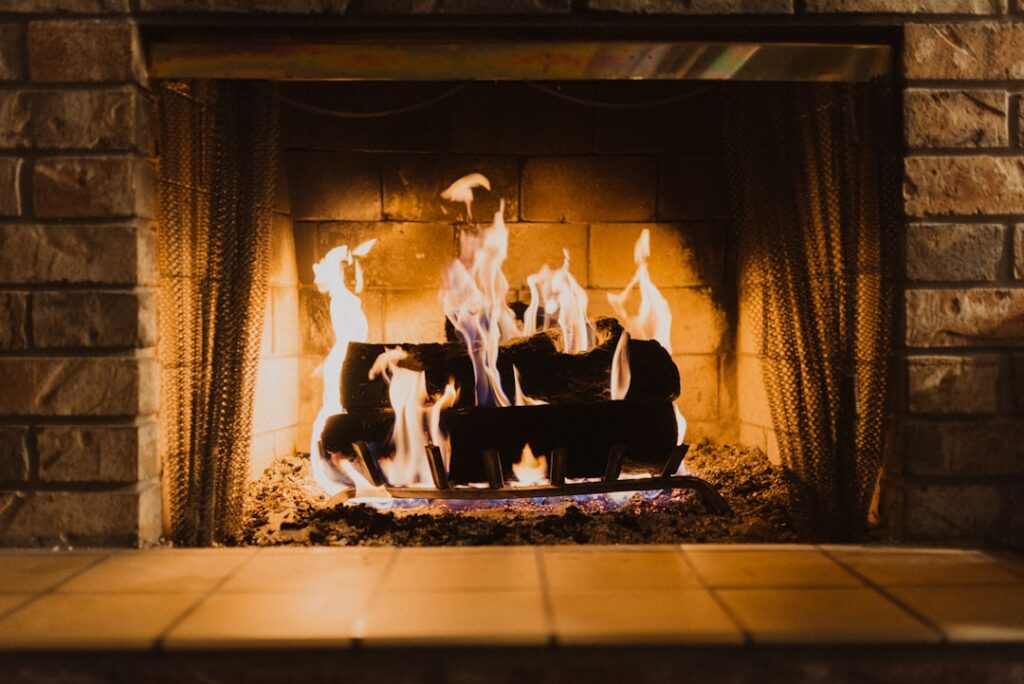
A stray ember can pop three feet out of a wood-burning firebox and land on your hardwood before you even notice it. A quality fireproof rug for fireplace hearths is the cheapest insurance you can buy against that scorch mark, and it also protects against soot, ash, and the occasional rolling log. I’ve installed and specified these for clients with everything from open masonry fireboxes to modern wood stoves. The right one blends into the room and does its job for years. The wrong one melts a hole and fails the first time it matters.
Part of our Roofing guide — explore the full guide →
What “Fireproof” Actually Means Here
Let me be straight with you: almost nothing sold for a home hearth is truly fireproof in the industrial sense. What you’re buying is a fire-resistant or flame-retardant rug rated to withstand direct contact with embers, sparks, and short bursts of heat without igniting or melting. The industry benchmark most reputable makers reference is ASTM D6413 (the vertical flame test) or a Class 1 flammability rating.
Look for language like “flame resistant to X seconds of direct flame contact” rather than a vague “fireproof” sticker. A genuine hearth rug will self-extinguish rather than feed the fire. Cheap polyester throw rugs marketed with a fire graphic will melt at around 320°F and offer zero real protection.
Core Materials and How They Perform
The material is the whole ballgame. Three types dominate the market, and each has trade-offs worth knowing before you spend money.
- Fiberglass core: These are the workhorses. A woven or coated fiberglass mat withstands temperatures well above 1,000°F and won’t burn. They’re often the most protective and typically run $30 to $70. The downside is a stiffer hand and a more utilitarian look.
- Wool: Natural wool has a high ignition point and self-extinguishes because of its keratin structure and moisture content. It chars instead of melting, so an ember tends to leave a small dark mark you can brush away. Wool hearth rugs look far nicer in a living room and run $80 to $250 depending on size and weave.
- Treated synthetics: Some rugs use polyester or blends treated with a flame-retardant finish. These are budget-friendly at $25 to $50 but the coating can wear off with washing, so re-treat or replace them every couple of years.
My honest recommendation for most homes: wool for the main living-room fireplace where looks matter, and a fiberglass mat in front of a hard-working wood stove in a basement or shop.
Common Sizes and Shapes
Hearth rugs come in a handful of standard footprints, and picking the right one matters more than people expect. Too small and embers clear it; too big and it looks awkward.
- 22″ x 44″ rectangle: The most common small hearth size, good for compact fireboxes.
- Half-round (half-moon): Typically 26″ x 52″ or a larger 4 ft x 6 ft half-round. The curved front hugs the hearth and catches sparks.
- 4 ft x 6 ft rectangle: Best for open fireplaces and wood stoves where embers travel farther.
- 36″ x 60″: A middle-ground size that suits most standard masonry hearths.
Measure the opening of your firebox and add at least 18 inches of coverage on each side and out front. For a wood stove, I bump that to 24 inches out front because loading the stove drops more coals.
Not every hearth throws the same amount of heat and debris. A gas insert barely sheds anything, while a roaring open wood fire is a spark factory.
Open wood-burning fireplaces
These need the most coverage and the toughest material. Go with a fiberglass core or dense wool, minimum 4 ft x 6 ft or a large half-round. This is where popping embers do the most damage to unprotected flooring.
Wood stoves
Free-standing stoves sit on a code-required non-combustible pad, but a hearth rug in front adds a second layer against dropped coals during loading. Fiberglass wins here for durability.
Gas and electric fireplaces
Ember risk is near zero, so you’re really protecting against foot traffic and the occasional soot smudge. A treated synthetic or a decorative wool rug is plenty.
Placement and Safety Details
Placement is where a lot of homeowners get careless. Set the rug so its front edge sits right at the base of the hearth stone, covering the floor zone where sparks land. Never let the rug ride up onto hot masonry that contacts the firebox directly.
Keep a 3-foot clearance around any open flame per most fire-safety guidance, and never drape the rug’s edge over the firebox lip. If your rug lacks a non-slip backing, add a rubber gripper pad rated for heat so it doesn’t slide when someone steps on it while carrying wood. And obviously, keep a Class A extinguisher or a bucket of sand nearby regardless of what rug you own.
Care, Cleaning, and Lifespan
A fiberglass mat cleans up with a shake-out and a damp wipe; don’t machine wash it because agitation breaks the glass fibers. Wool rugs handle a gentle vacuum and spot-cleaning with a wool-safe detergent, and most tolerate professional cleaning every year or two. Treated synthetics can usually go in a washing machine on cold, but expect the flame-retardant finish to degrade, so re-treat with a fabric flame-retardant spray afterward.
Inspect the rug each season. Char marks, thin spots, or a melted patch mean it has done its job and needs replacing. A good wool hearth rug lasts 8 to 12 years with normal use; a fiberglass mat can go even longer, while cheap synthetics are a 2-to-3-year item.
What to Budget and Where to Buy
Set expectations before you shop. A basic 22″ x 44″ fiberglass or treated mat runs $25 to $50. A mid-size half-round wool rug lands around $90 to $160, and a large 4 ft x 6 ft premium wool piece can reach $200 to $250. You’ll find these at hearth and fireplace specialty shops, home centers like Home Depot and Lowe’s, and online retailers. Brands worth a look include Goods of the Woods, Minuteman International, and various wool-mill makers.
Spend the extra money if the fireplace sees regular winter use. A single ember burn on a wide-plank oak floor can cost hundreds to sand and refinish, which makes even the priciest hearth rug look like a bargain.
Colors, Weaves, and Matching Your Decor
Protection is the priority, but nobody wants an ugly mat parked in the middle of the living room. Wool hearth rugs come in a wide range, from traditional braided ovals in rust and forest green to flat-weave patterns and solid charcoal or oatmeal tones that suit modern rooms. Braided wool hides ash and soot smudges especially well because the flecked texture camouflages minor marks between cleanings.
If your firebox surround is brick, a warm-toned rug ties the two together; against a slate or stone hearth, a cooler gray or black reads as intentional. Fiberglass mats are more limited in appearance, usually black or a woven neutral, which is another reason I save them for stoves and utility spaces where looks matter less than pure protection.
Plenty of products lean on the word “fireproof” without backing it up. Watch for a few warning signs before you hand over your money.
- No stated flame rating or test standard anywhere in the description. Reputable makers cite ASTM D6413 or a Class 1 rating.
- A pure polyester or acrylic pile marketed only with a fire graphic. These melt and drip when an ember hits them.
- A slick backing with no heat-rated non-slip layer, which lets the rug slide when you step on it carrying firewood.
- Extremely low prices under $15 for a large rug, which almost always signals an untreated synthetic.
Spend two minutes reading the material and rating before you buy. That small habit is the difference between real protection and a false sense of security.
Final Takeaways
Match the material to how hard your fireplace works, size the rug so it covers the full spark zone with room to spare, and verify a real flame-resistance rating instead of trusting a marketing label. Do that and a good fireproof hearth rug will guard your floor quietly for a decade. Cut corners and you’ll be smelling melted synthetic the first cold night you actually need it. Buy once, buy right, and place it correctly.