When a hallway, stair, or busy family room chews through soft carpet in a few years, the fix is almost always flat pile carpet. This low, tightly constructed style trades the deep, cushy feel of plush for fibers that lie close to the backing, resist crushing, and shrug off heavy foot traffic. It is the workhorse of the carpet world, common in offices for a reason, and increasingly popular in homes where durability and easy cleaning matter more than barefoot luxury. Understanding how it is built helps you pick the right version and care for it correctly.
What “Flat Pile” Means
Pile refers to the visible carpet surface, the yarn that stands up from the backing. Flat or low pile means that yarn is short, typically under about 1/4 inch, and packed densely. Because the fibers are short and tight, there is less surface to mat, flatten, or trap dirt deep in the strands. The result is a firm, smooth surface that holds its appearance under stress.
Pile height is only half the story. Density, the amount of yarn packed into a given area, matters just as much. A dense, low pile resists wear far better than a sparse one. When you fold a sample backward and barely see the backing through the fibers, that is a sign of good density and a carpet that will last.
Loop and Berber: The Most Common Flat Styles
Most flat pile carpet is made as loop pile, where the yarn is woven into the backing and left as continuous loops rather than cut at the tips. Berber is the best-known loop style, recognizable by its slightly chunky, sometimes flecked look with darker color specks that hide dirt. Loops create an extremely durable surface because there are no cut ends to fray or fuzz.
You will also see level-loop, where every loop is the same height for a clean, uniform look, and multi-level loop, which uses varied loop heights to create subtle patterns and texture. Cut-and-loop styles mix cut tips with loops for a sculpted effect, but the more loops dominate, the more durable and flat the carpet behaves.
- Level loop: uniform, commercial-grade durability, easy to clean.
- Berber: chunky loops, flecked colors hide soil, very tough.
- Multi-level loop: patterned texture, good traffic resistance.
Durability and Traffic Resistance
The big selling point is wear. Short, dense fibers do not crush flat under furniture or footsteps the way long plush does, so the carpet keeps looking new years longer in high-traffic zones. That makes flat pile the right call for stairs, entries, hallways, home offices, and rec rooms.
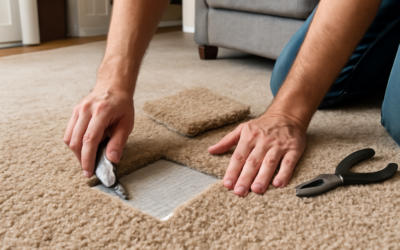
One honest caveat applies to large-loop Berber: a single snagged loop, from a pet claw, a vacuum beater bar, or a dropped tool, can run and pull a line of yarn loose. Smaller, tighter loops resist this far better. If you have dogs or cats, choose a low, tight loop or a nylon Berber with strong tuft bind, and use a vacuum with adjustable height or a suction-only setting.
Cleaning Flat Pile Carpet
Easy maintenance is where this style shines. Because dirt sits closer to the surface instead of burying itself in deep fibers, routine cleaning is simpler:
- Vacuum regularly with the beater bar raised or off; an aggressive brush can snag loops.
- Blot spills immediately with a clean white cloth, working from the outside in.
- Spot clean with a mild solution of water and a little dish soap, then rinse with plain water and blot dry.
- Deep clean every 12 to 18 months with hot-water extraction, and avoid over-wetting since dense loop backing can hold moisture.
Dry the carpet thoroughly after any wet cleaning. Loop backing that stays damp too long can develop odor or mildew, so run fans and keep traffic off until it is fully dry.
Flat Pile vs Plush Carpet
Plush, or cut pile, has the yarn tips cut so individual strands stand up soft and velvety. It feels wonderful underfoot and looks luxurious, which is why bedrooms often get plush. But that softness comes at a cost: longer cut fibers crush, show footprints and vacuum tracks, and mat down in traffic lanes over time.
Here is the honest comparison:
- Feel: plush wins for softness; flat pile feels firmer.
- Durability: flat pile wins clearly in high traffic.
- Appearance retention: flat pile hides wear and tracks; plush shows them.
- Cleaning: flat pile is easier; dirt stays near the surface.
- Best rooms: flat pile for stairs, halls, offices; plush for bedrooms and formal spaces.
Many homeowners split the difference, using durable flat pile or loop in the active parts of the house and soft plush in bedrooms. A textured cut pile, sometimes called frieze or “trackless,” is a middle option that hides footprints better than smooth plush while still feeling soft.
Fiber Choice Matters Too
Regardless of pile style, fiber affects performance. Nylon is the most resilient and stain-resistant when treated, ideal for heavy traffic. Polyester (PET) is softer and naturally stain-resistant but can crush sooner. Olefin (polypropylene) resists moisture and fading, making it common in basements and Berber loops, though it is less resilient against crushing. For a flat pile carpet in a busy home, a dense nylon loop usually offers the best balance of toughness, cleanability, and value.
Where Flat Pile Carpet Works Best
Because its strength is durability, flat pile shines in the parts of a home that take the most abuse:
- Stairs: the highest-wear surface in any house; tight loop resists crushing on the nose of each tread.
- Hallways and entries: traffic funnels through these, and flat pile hides the worn-path look that ruins plush.
- Home offices and dens: rolling chairs glide better over low pile, and it does not crush under chair mats.
- Basements and rec rooms: olefin loop resists moisture and fading in below-grade spaces.
- Rentals and high-use homes: the easy cleaning and long appearance retention pay off over time.
Cost and Value
Flat pile and loop carpets span a wide price range, from budget builder-grade olefin to premium dense nylon Berber. While a soft plush may cost less up front in entry grades, flat pile’s real value is longevity: because it resists crushing and hides wear, it keeps looking acceptable for years longer in traffic areas, which often means a longer interval before replacement. When you compare the cost over the carpet’s actual usable life rather than the sticker price alone, a quality nylon loop in a busy home frequently comes out ahead.
The Bottom Line
Flat pile carpet is the right choice anywhere durability and easy upkeep outrank plush softness, stairs, halls, offices, and busy family spaces especially. Pick a dense, tight loop, choose nylon for high traffic, keep the vacuum beater bar gentle, and dry it fully after cleaning. It will look good and hold up for many years where deeper carpet would have flattened and worn out long before.