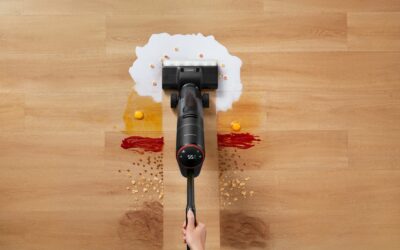
Grease is the one mess a regular mop cannot touch — it smears, spreads, and leaves floors slick and dull no matter how many passes you make. A dedicated floor degreaser cleaner uses surfactants and alkaline chemistry to break oil into water-soluble particles you can actually rinse away, which is why commercial kitchens and auto shops never rely on plain soap. Whether you are fighting cooking splatter on kitchen tile, motor oil on a garage slab, or a greasy film on entryway vinyl, the right degreaser and technique make the difference between a floor that shines and one that stays tacky underfoot.
Why Grease Needs a Special Cleaner
Oil and water do not mix, so a standard neutral floor cleaner just glides over grease without lifting it. Degreasers work differently. Their surfactant molecules surround oil droplets and suspend them in the cleaning solution, a process called emulsification, so the grease releases from the floor and rinses away.
Most degreasers are alkaline, with a pH between 9 and 13, because higher alkalinity saponifies fats and dissolves them faster. That same strength is why dilution and surface matching matter — the formula that strips a garage slab in minutes can etch or dull a delicate finish just as quickly.
Types of Floor Degreaser Cleaners
Degreasers come in several formulations, each suited to a different job and budget.
- Alkaline concentrates: The heavy hitters for garage floors, restaurant kitchens, and industrial grime. Diluted 1:10 to 1:40 depending on soil level.
- Citrus and d-limonene cleaners: Plant-derived solvents that cut grease with a lower odor and gentler profile, good for kitchens.
- Enzyme and bio degreasers: Use bacteria or enzymes to digest organic grease over time; ideal for drains and porous concrete.
- Neutral degreasers: Lower-pH formulas safe for sealed wood and delicate finishes where alkaline products would cause damage.
For most homeowners, a citrus-based cleaner covers kitchen duty while a stronger alkaline concentrate handles the garage. Keeping one of each on the shelf covers nearly every greasy mess a house produces.
Matching the Degreaser to Your Floor
Using the wrong product is how people ruin good flooring. Sealed concrete and unglazed porcelain tile tolerate strong alkaline degreasers, so the garage and mudroom can take the heavy formulas. Ceramic tile with epoxy grout handles most cleaners too, though acidic grout may need a gentler touch.
Natural stone is the danger zone — never use a harsh degreaser on marble, travertine, or slate, because alkaline and acidic products both etch the surface. Stick to a pH-neutral stone degreaser instead. Vinyl and luxury vinyl plank take a mild floor degreaser cleaner, but skip strong solvents that can soften the wear layer. Sealed hardwood and laminate need a neutral formula only, applied with a barely damp mop so moisture never reaches the seams.
How to Apply It for Best Results
Technique matters as much as the product. Rushing the process is the most common reason grease survives a cleaning.
- Sweep or vacuum first so loose crumbs and grit do not turn into abrasive slurry.
- Dilute per the label — over-concentrating wastes product and leaves a sticky residue that attracts new dirt.
- Apply and let it dwell. Spread the solution and wait 3 to 10 minutes so the surfactants can break down the grease; do not let it dry.
- Agitate. Scrub with a stiff brush or scrubbing mop, working into grout lines and textured areas.
- Rinse thoroughly. Mop with clean water and change the rinse water often, since leftover degreaser film is slippery and dulls the finish.
Warm water in the 100°F to 120°F range boosts most degreasers noticeably, so use hot tap water for the toughest jobs unless the label says otherwise.
Tackling Specific Grease Problems
Different messes call for different tactics. Fresh cooking grease on kitchen tile responds well to a citrus cleaner and a quick scrub. Baked-on, layered grease near a stove may need two applications with dwell time between them.
Garage floors with old motor oil are a bigger project. Blot fresh spills, then cover the stain with an absorbent like cat litter or baking soda for a few hours to pull oil from the pores of the concrete. Follow with a strong alkaline degreaser scrubbed in and rinsed. Deep, set-in stains sometimes need a poultice or repeat treatments across several days. For porous unsealed concrete, an enzyme degreaser left to work overnight can lift what surface cleaning misses.
Concentrate Versus Ready-to-Use
Degreasers sell in two forms, and the choice affects both cost and convenience. Concentrates are the better value by a wide margin — a single gallon jug diluted at 1:20 yields 20 gallons of working solution, dropping the effective cost to pennies per use. They also let you dial strength up or down to match the mess, going stronger for a garage and weaker for a kitchen.
Ready-to-use spray bottles cost more per ounce but win on convenience. There is no measuring, no mixing, and no risk of an over-strong batch, which makes them ideal for quick daily touch-ups. Many homeowners keep a ready-to-use bottle by the stove for splatters and a concentrate in the garage for the heavy jobs, getting the best of both.
Homemade Degreaser Options
You can mix a serviceable degreaser from pantry staples for light jobs. A tablespoon of dish soap and a quarter cup of baking soda in a gallon of hot water cuts everyday kitchen grease on tile and vinyl. For a slightly stronger blend, add a splash of ammonia, but never combine ammonia with bleach.
Homemade mixes have real limits, though. They lack the specialized surfactants of a commercial floor degreaser cleaner and simply cannot break down baked-on or industrial grease. Save the DIY approach for routine maintenance and reach for a manufactured product when grease has layered up or soaked into porous concrete. Knowing where the homemade option stops saves you a lot of fruitless scrubbing.
Safety and Storage
Strong degreasers demand respect. Wear rubber gloves and eye protection with concentrated alkaline products, because they can irritate skin and burn eyes on contact. Ventilate the room, especially with solvent-based citrus formulas whose fumes build up in a closed garage.
Never mix a degreaser with bleach or other cleaners, since the combination can release hazardous gases. Store concentrates in their original labeled containers, away from heat and out of reach of children and pets. Rinse floors well before letting anyone walk on them, as degreaser residue makes surfaces dangerously slick until it is fully removed.
Choosing Your Everyday Degreaser
For routine kitchen maintenance, keep a ready-to-use citrus floor degreaser cleaner within reach so you can hit splatters before they build up. Reserve the concentrated alkaline product for periodic deep cleans and garage duty, where its strength earns its keep.
Frequency helps as much as product choice. Wiping up grease before it dries and doing a light degreasing pass weekly in high-splatter zones keeps buildup from ever reaching the baked-on stage that demands aggressive chemicals. A quick habit beats a hard scrub every time.
Read the surface guidance on every label, test any new formula in an inconspicuous corner, and always match the product’s pH to your flooring. Do that, and grease stops being the mess you dread — a good degreaser turns a slippery, dull floor back into a clean, safe surface in a single session, and keeps it that way with far less scrubbing than you would expect.
Prefer to explore on your own?
See how new flooring looks in your actual room in seconds — free, no signup.
Try the free Floor Studio →