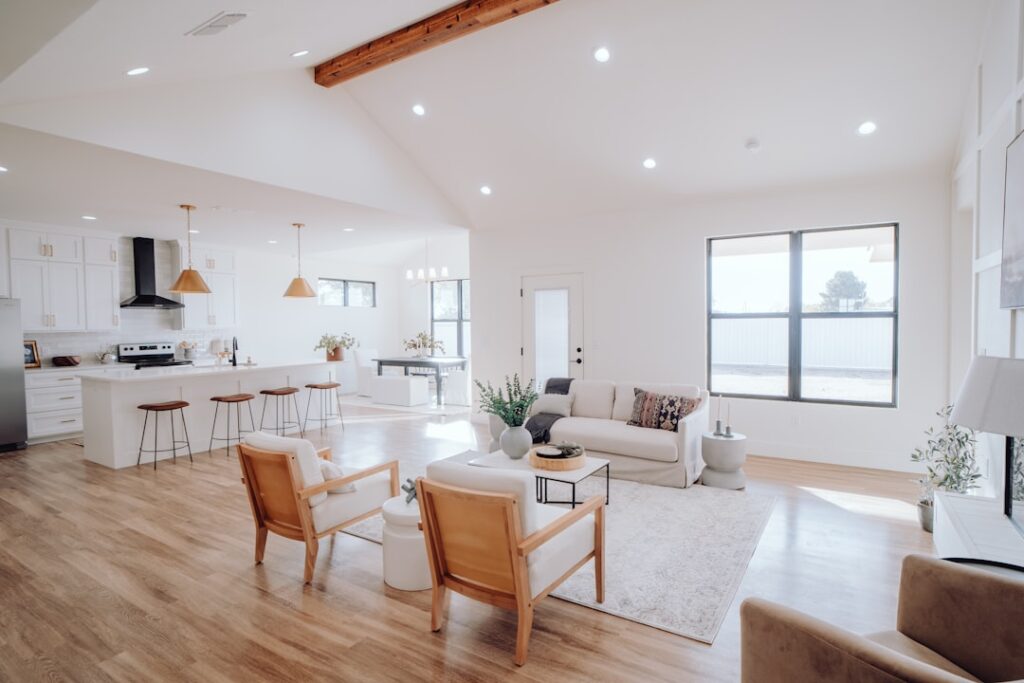
Picking a new floor for a home in East Anglia means thinking about more than just looks. If you are researching flooring Norfolk suppliers and fitters can deliver, you also need to weigh the region’s older housing stock, period cottages, coastal damp, and the practicalities of finding a trustworthy local trader. This guide walks through the main flooring options, their pros and cons for Norfolk properties, and a clear checklist for vetting suppliers and fitters before you commit your money.
- Choosing Flooring for Norfolk Homes
- The Main Flooring Options
- Pros of Getting It Right Locally
- Cons and Common Pitfalls
- How to Vet a Flooring Supplier or Fitter
- Typical Pricing in Norfolk
- Getting the Best Long-Term Result
- Matching the Floor to the Room
- Dealing with Damp and Period Features
- The Bottom Line
Choosing Flooring for Norfolk Homes
Norfolk has a wonderful spread of property types, from Victorian terraces in Norwich to flint cottages in the villages and modern builds on the outskirts. That variety matters, because a solid timber floor that suits a well-insulated new build may behave very differently in a draughty period cottage with a cold solid base. Older homes can also carry rising damp or limited damp-proofing, so the subfloor often needs as much thought as the surface you walk on.
The good news is that the county has a solid mix of independent flooring showrooms, carpet specialists, and trade fitters, giving you genuine choice rather than a single take-it-or-leave-it quote.
The Main Flooring Options
Each material has a sweet spot. Match it to the room and the property before you fall for a sample.
- Luxury vinyl (LVT/SPC): warm, waterproof, and hard-wearing, excellent for kitchens, bathrooms, and busy family spaces.
- Engineered wood: real timber on a stable core that copes with humidity and underfloor heating better than solid plank.
- Laminate: a budget-friendly wood look that is quick to fit, though not as moisture-tolerant as vinyl.
- Carpet: still the cosy choice for bedrooms and lounges, especially welcome against cold Norfolk winters.
- Tile: porcelain and stone for durability and easy cleaning in hallways, kitchens, and utility rooms.
Pros of Getting It Right Locally
- Suitability: a good local supplier understands the area’s older subfloors and damp issues and can advise on membranes or levelling.
- Service: a nearby showroom means you can see and feel samples and get prompt help if anything goes wrong.
- Accountability: established local traders rely on word of mouth, so workmanship guarantees actually mean something.
- Fit for purpose: matching the right material to each room avoids the cost of replacing a floor that fails early.
Cons and Common Pitfalls
The biggest mistake people make is choosing the floor first and the subfloor second. In older Norfolk homes, an unaddressed damp or uneven base will cause even a premium floor to lift, cup, or fail. Cheap laminate and thin vinyl can also disappoint quickly if the wear layer is too low for the traffic. And rushing the job to grab the lowest quote often means skipping the latex levelling or damp-proof membrane that the floor really needed.
Coastal humidity is another factor worth raising with your fitter, since timber and some laminates move more in damp conditions. A reputable trader will flag these issues rather than ignore them to win the job.
How to Vet a Flooring Supplier or Fitter
Treat choosing the company as carefully as choosing the floor. These questions quickly separate the professionals from the chancers.
- Ask how long they have traded in Norfolk and whether they have a showroom you can visit in person.
- Read recent independent reviews and ask for references from local customers with similar properties.
- Confirm whether their own trained fitters do the work or whether it is subcontracted, and what guarantee covers the fitting.
- Check that they will assess and prepare the subfloor, including damp checks, rather than laying straight over a problem.
- Request a written, itemised quote separating materials, underlay, preparation, and labour so you can compare like for like.
Typical Pricing in Norfolk
Costs depend heavily on the material, the size of the room, and how much preparation the subfloor needs, so treat the following as broad ranges. Budget laminate and basic sheet vinyl often start around £10 to £20 per m² for the material. Mid-range LVT, SPC, and engineered wood commonly sit around £25 to £55 per m², with premium ranges higher. Fitting, underlay, and any screeding or damp-proofing are usually charged on top, so always ask for the all-in figure for your specific project.
Gather at least two or three quotes. A trader confident in their work will measure up properly and explain exactly what each line of the quote pays for.
Getting the Best Long-Term Result
A few sensible habits protect your investment. Insist on proper subfloor preparation and damp checks, especially in older or ground-floor rooms. Choose a wear layer and material suited to each room’s use rather than buying one product for the whole house. And keep a little spare material from the same batch, because colours and ranges change and a future repair is far easier with matching offcuts on hand.
Matching the Floor to the Room
One floor rarely suits a whole house, and the best results come from matching each material to how the room is used. Bathrooms, kitchens, and utility rooms call for waterproof options like SPC or quality LVT. Hallways and staircases take heavy traffic and benefit from durable porcelain tile or a hard-wearing vinyl. Bedrooms and lounges are where carpet still earns its place for warmth and comfort, particularly welcome in a county that sees cold, damp winters.
Engineered wood bridges the gap nicely in living areas where you want the look of real timber with better stability than solid plank. If you are renovating a whole property, a good local supplier can help you plan a coherent scheme that uses the right material in each space without blowing the budget on the wrong product.
Dealing with Damp and Period Features
Norfolk’s older and coastal homes deserve a special mention. Solid ground floors in period cottages may lack a modern damp-proof membrane, and rising or penetrating damp will wreck a timber or laminate floor over time. A reputable fitter will test for moisture and recommend a membrane or a suitable waterproof material rather than laying straight over a problem. If your home has original features such as suspended timber floors or flagstones, discuss whether to restore them or overlay, as the right call depends on the floor’s condition and your long-term plans.
The Bottom Line
When it comes to flooring Norfolk buyers are well served, provided they match the material to the property and vet the supplier as carefully as the floor. Pay attention to the subfloor, ask the right questions about fitting and guarantees, and collect itemised written quotes. Get those basics right and you will end up with a floor that suits your home, copes with the local conditions, and is fitted by a firm you can rely on.
Prefer to explore on your own?
See how new flooring looks in your actual room in seconds — free, no signup.
Try the free Floor Studio →