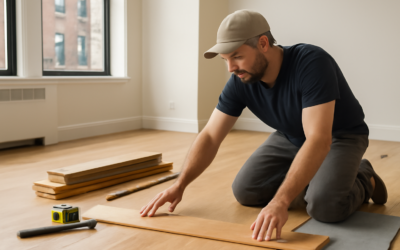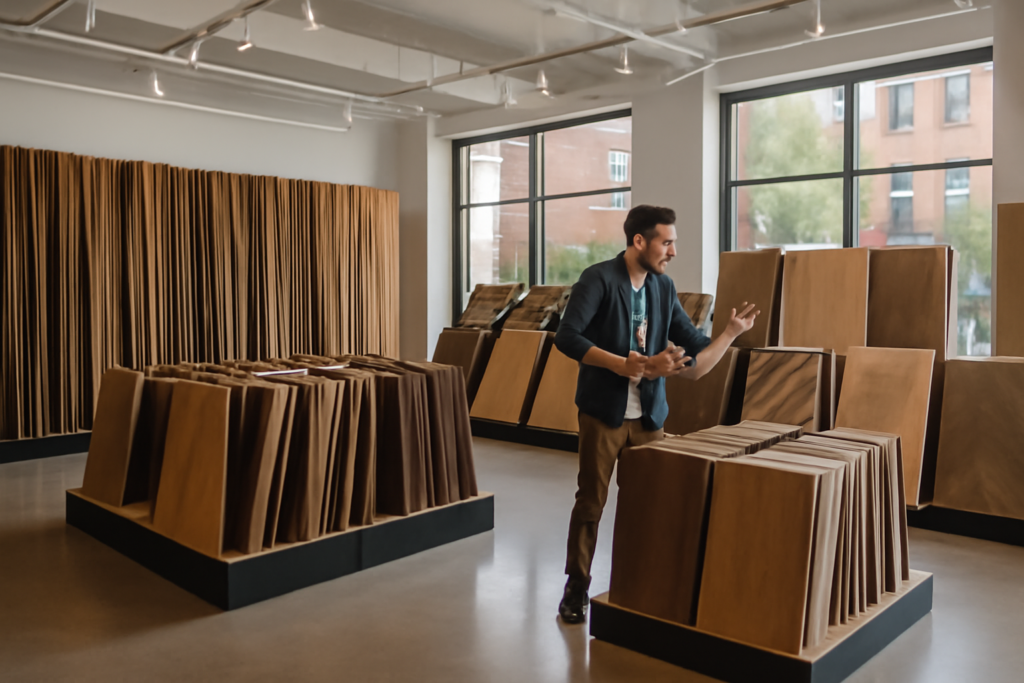
Buying floors in New York City comes with challenges no suburban homeowner ever faces: co-op rules, sound-transmission requirements, freight elevators, and tight delivery windows. This guide to flooring stores NYC shoppers can use focuses on what actually matters in the five boroughs, choosing materials suited to apartments, understanding the costs, navigating building approvals, and vetting stores and installers, rather than steering you toward any single retailer.
- What Makes NYC Flooring Different
- Best Flooring for Apartments
- Typical Cost Ranges in the City
- Navigating Co-op and Condo Approvals
- How to Vet Stores and Installers
- Buying Material Versus Bundled Installation
- Smart Buying Tips for City Apartments
- Renting Versus Owning Considerations
- Avoiding Common NYC Pitfalls
- The Bottom Line
What Makes NYC Flooring Different
The single biggest factor that separates a NYC flooring project from a typical house renovation is the building itself. Co-ops and condos almost always have rules governing what you can install, how much sound it can transmit to the unit below, and when work can happen.
Many buildings require a minimum percentage of floor area to be covered or specify a sound-rating standard for hard-surface floors. Apartments are also small and access is tight, which affects delivery, material storage, and labor. Plan around the building first, then pick your floor.
Best Flooring for Apartments
Space, sound, and subfloor type drive the material choice in a typical NYC apartment.
- Engineered hardwood: the classic NYC choice, stable over concrete or existing subfloors and offering authentic wood looks; often installed with an acoustic underlayment to meet sound rules.
- Luxury vinyl plank (LVP): waterproof, quiet, and durable, increasingly popular for rentals and busy households, easy on concrete subfloors.
- Tile: ideal for bathrooms and kitchens, though heavy and best on suitable subfloors.
- Cork: naturally sound-dampening and comfortable, a smart pick where noise rules are strict.
Acoustic underlayment is frequently the unsung hero of NYC installs; it can be the difference between board approval and a rejection.
Typical Cost Ranges in the City
NYC labor and logistics tend to push installed prices toward the higher end of national ranges. Use these as planning benchmarks and confirm with local quotes.
- Luxury vinyl plank: roughly $6 to $14 per square foot installed.
- Engineered hardwood: roughly $8 to $20 per square foot installed.
- Tile: roughly $10 to $25 per square foot installed, depending on tile and layout.
- Solid hardwood refinishing: often a cost-effective option if you already have wood worth saving.
City-specific extras add up: acoustic underlayment, building-required insurance and deposits, freight-elevator reservations, and debris removal in a dense urban setting. Budget for them upfront.
Navigating Co-op and Condo Approvals
This step trips up newcomers, so handle it before you buy anything. Most buildings require you to submit an alteration agreement and have your contractor provide a certificate of insurance naming the building.
- Request your building’s alteration rules and sound-rating requirements in writing.
- Confirm the required acoustic underlayment spec before choosing flooring.
- Check work-hour restrictions and how to reserve the freight elevator.
- Make sure your contractor can provide the exact insurance the building demands.
Skipping approval can mean being forced to tear out a finished floor, an expensive lesson. Get the building’s sign-off in hand first.
How to Vet Stores and Installers
The density of options in the city is a blessing and a hazard, quality varies widely. Vet carefully.
- Choose stores that understand co-op and condo requirements and can recommend compliant underlayment.
- Confirm any installer is licensed (as required), insured, and experienced with NYC buildings and their access rules.
- Get at least three written, itemized estimates for the identical scope.
- Read recent reviews and ask for references from apartment jobs in the past year.
- Verify they carry the certificate of insurance your building requires.
An installer who regularly works in NYC buildings already knows the freight-elevator dance and sound rules, which prevents costly delays.
Buying Material Versus Bundled Installation
You can buy flooring from a specialty showroom, a national chain, or online, then hire installation separately, or take a bundled price. Each has trade-offs. Specialty showrooms offer expertise and building-savvy installers; chains and online sellers can be cheaper on the product.
Compare the total delivered-and-installed cost rather than the sticker price per box. In a city where labor and logistics dominate the budget, a slightly pricier product paired with a competent, building-experienced installer often beats a cheap material with an unfamiliar crew.
Smart Buying Tips for City Apartments
Order roughly 7 to 10 percent extra material for waste and future repairs, and arrange storage, since apartments rarely have room to stage many boxes. Confirm delivery logistics with both the store and your building’s management, including elevator reservations and acceptable delivery windows.
Insist on acclimation time for wood and engineered products, and get everything, scope, materials, underlayment spec, timeline, and total cost, in a written contract. In small spaces, even minor errors are highly visible, so precision matters.
Renting Versus Owning Considerations
Your situation shapes the smart choice. Renters and short-term owners often favor budget-friendly, durable LVP that looks great and survives heavy use, since you may not recoup a premium hardwood install. Long-term owners and those planning to sell tend to invest in engineered hardwood, which holds strong appeal in the NYC market and photographs beautifully for listings.
If you rent, confirm with your landlord what changes are permitted and whether floor changes must be restored later. Some leases prohibit altering existing floors, while others welcome an upgrade. Getting this in writing protects your security deposit and your investment in the work.
Avoiding Common NYC Pitfalls
A few mistakes recur in city projects. Homeowners buy a beautiful floor only to learn it fails the building’s sound rules, or they book installers who’ve never navigated a freight elevator and lose days to logistics. Others underestimate debris removal, which is its own challenge in a high-rise.
Head these off by confirming the building’s requirements first, hiring installers who routinely work in NYC buildings, and pinning down delivery, storage, and disposal in the contract. In tight apartments, plan the work sequence so you’re not living amid stacked boxes for weeks. A little extra planning prevents the delays that make city renovations stressful.
The Bottom Line
For flooring stores NYC shoppers, success starts with the building, not the showroom: confirm co-op or condo rules and sound requirements, choose quiet, stable materials like engineered hardwood or LVP with acoustic underlayment, and budget for city-specific logistics. Vet stores and installers experienced with NYC buildings, gather multiple itemized bids, and get approvals and insurance squared away before you buy. Handle the building piece well, and the floor itself becomes the easy part.
Prefer to explore on your own?
See how new flooring looks in your actual room in seconds — free, no signup.
Try the free Floor Studio →