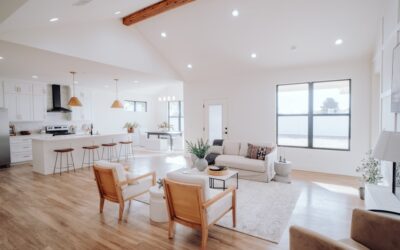
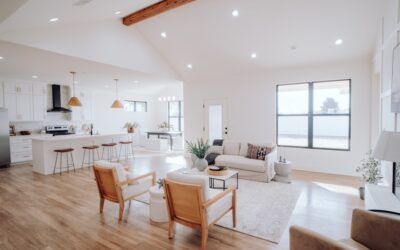
The flooring trends for 2026 reflect a broader shift in home design toward warmth, authenticity, sustainability, and performance. Cool grays are giving way to warm honey tones. High-gloss finishes are being replaced by soft mattes. Cookie-cutter installations are losing ground to bold patterns and mixed materials. And technology is pushing the boundaries of what flooring can do — from truly waterproof hardwood alternatives to floors with built-in sensors.
This guide covers the ten biggest flooring trends defining 2026, explains what is driving each trend, and offers practical advice on how to incorporate them into your home. Whether you are building new, renovating, or simply planning ahead, these are the trends shaping the flooring market right now.
1. Wide Plank Flooring
Wide plank flooring — boards 7 inches and wider, with some reaching 10 to 12 inches — has moved from a premium upgrade to the mainstream default in 2026. Narrow strip flooring (2.25 to 3.25 inches) looks dated in modern interiors, and the market has responded: the majority of new hardwood, engineered wood, LVP, and laminate products now launch in 7-inch-plus widths.
The appeal is both visual and practical. Wider planks showcase more grain character per board, require fewer seams, and make rooms feel more spacious. The long, continuous lines of wide plank flooring create a sense of flow that narrow strips fragment. Paired with longer plank lengths (6 to 8 feet for hardwood, 6 feet for LVP), the result is a floor with fewer visual interruptions and a more contemporary, designer feel.
The sweet spot: 7 to 9-inch-wide planks in white oak, hickory, or oak-look LVP. This width range is widely available, works proportionally in most room sizes, and has become the standard that designers and builders specify for new projects.
What is out: Narrow strip hardwood (2.25 to 3.25 inches) and narrow plank LVP (5 inches and under). These widths read as dated or builder-grade in contemporary settings.
2. Matte Finishes
Matte and satin finishes have comprehensively replaced high-gloss polyurethane as the preferred flooring finish in 2026. The shift started several years ago and is now so complete that high-gloss hardwood is almost exclusively found in traditional and formal design contexts.
Matte finishes — whether on hardwood, tile, LVP, or laminate — create a more natural, organic appearance. They hide micro-scratches, dust, and footprints that high-gloss surfaces announce. Wire-brushed and hand-scraped textures, which pair naturally with matte finishes, add tactile dimension that smooth, shiny surfaces lack.
The matte trend extends to tile as well. Matte porcelain tiles have overtaken polished tiles for living room and kitchen installations, offering superior slip resistance alongside the understated aesthetic that defines current interior design.
The sweet spot: Ultra-matte or natural oil finishes on hardwood; matte or lappato (semi-polished) finishes on tile; embossed-in-register (EIR) textures on LVP and laminate.
What is out: High-gloss polyurethane on hardwood, polished porcelain tile in living spaces, and smooth/untextured laminate surfaces.
3. Warm Tones
The cool gray flooring wave that dominated the 2010s and early 2020s has crested and receded. In its place, warm tones are surging — honey oak, natural walnut, warm greige, caramel, and even terracotta are the colors that define flooring trends in 2026.
This shift aligns with broader interior design trends. Warm-toned floors pair naturally with the organic materials (linen, jute, rattan, warm-toned woods), brass and gold hardware, and earthy color palettes that characterize current home design. They also make spaces feel more inviting and less sterile — a reaction against the cold minimalism that cool grays embodied.
White oak remains the dominant hardwood species but is increasingly finished in its natural warm tone rather than stained gray or whitewashed. In LVP, the best-selling shades have shifted from gray to warm oak and walnut tones. Even tile is trending warmer, with beige, greige, and terracotta outselling gray for the first time in years.
The sweet spot: Natural or honey-toned white oak, warm greige LVP, and warm beige or terracotta tile.
What is out: Cool gray hardwood, blue-gray LVP, and stark white or cold gray tile in living spaces.
4. Herringbone & Chevron Patterns
Herringbone and chevron patterns are no longer reserved for high-end historic homes. In 2026, these classic patterns have gone mainstream across every flooring material — hardwood, engineered wood, LVP, laminate, and tile. The availability of affordable pre-cut herringbone and chevron planks has made these patterns accessible to mid-range budgets.
The distinction: herringbone uses rectangular planks arranged in a staggered zigzag, where the end of each plank meets the side of the next. Chevron uses planks cut at an angle (typically 45 degrees) that meet to form a continuous V-shape. Herringbone has a more traditional, textured look; chevron is cleaner and more contemporary.
Both patterns add visual interest, movement, and a designer quality that standard straight-lay installations cannot achieve. They work especially well in entryways, dining rooms, and as feature sections within larger rooms.
The sweet spot: Herringbone in warm-toned white oak or oak-look LVP for living areas; chevron in darker tones for accent areas and entryways.
5. Waterproof Everything
Waterproof performance has become a baseline expectation rather than a premium feature in 2026. The market has shifted so dramatically that non-waterproof flooring products are actively losing shelf space to waterproof alternatives.
This trend is driven by practical reality. Open-plan living means kitchen and living areas share the same floor — and that floor needs to handle water. Pet ownership continues to increase (67% of U.S. households now have at least one pet), making accident resistance essential. And climate events (flooding, pipe bursts) have made water damage a top-of-mind concern for homeowners and insurers alike.
The waterproof revolution has transformed specific product categories. LVP with SPC and WPC cores is now the default vinyl flooring choice. Waterproof laminate (with sealed edges and water-resistant cores) has gone from novelty to major market segment. Even engineered hardwood now offers waterproof options from brands like Mohawk (WetProtect) and Shaw (Repel).
The sweet spot: SPC-core LVP for whole-home installations, waterproof laminate for budget-conscious buyers, waterproof engineered hardwood for those who want real wood without the water risk.
6. Sustainable Materials
Sustainability has evolved from a marketing buzzword to a genuine purchasing criterion for a significant segment of homeowners in 2026. This is driving increased demand for flooring materials with verifiable environmental credentials.
Trending sustainable flooring options include FSC-certified hardwood from responsibly managed forests, bamboo (which regenerates in 5 to 7 years compared to 50-plus years for hardwood trees), cork (harvested from bark without harming the tree), reclaimed and recycled wood from old structures and industrial sources, and bio-based vinyl alternatives that replace petroleum-derived PVC with plant-based polymers.
Manufacturers are also focusing on reduced-VOC finishes, recycled content in underlayment and core materials, and take-back programs that recycle old flooring rather than sending it to landfills. EPD (Environmental Product Declarations) and HPD (Health Product Declarations) are becoming standard documentation that environmentally conscious buyers review before purchasing.
The sweet spot: FSC-certified domestic hardwood, strand-woven bamboo, and cork for eco-conscious buyers who want natural materials. Bio-based resilient flooring for those who prefer the performance of vinyl without the petroleum footprint.
7. Large Format Tiles
Large format tiles continue their dominance in 2026, with sizes pushing beyond the 24×24-inch standard that was considered large just a few years ago. Tiles measuring 32×32, 24×48, and even 48×48 inches are increasingly common in residential installations.
The appeal is the same as wide plank hardwood: fewer grout lines, a more seamless visual plane, and a sense of spaciousness. Large format tiles in matte concrete, stone, or solid colors create the clean, gallery-like floors that define modern and minimalist design. Paired with rectified edges and thin grout joints (1/16 to 1/8 inch), the result is a nearly monolithic surface.
Installation requirements have improved to match the trend. Large-format-specific thin-set mortars, substrate leveling systems (like Schluter DITRA), and installer training have made oversized tile installation more reliable than in previous years. That said, large format tiles still require flatter substrates and more experienced installers than standard sizes.
The sweet spot: 24×48-inch tiles in matte stone or concrete looks for living rooms and kitchens; 24×24-inch tiles for bathrooms and smaller spaces.
8. Mixed Materials
Mixed-material flooring — intentionally combining different flooring types in the same space or across connected spaces — has graduated from a design risk to a celebrated approach in 2026. Rather than running one material throughout, designers are creating deliberate material transitions that define zones and add visual interest.
Common mixed-material combinations include hardwood in living areas transitioning to tile in kitchens and entryways, tile “rugs” inset into hardwood floors, different wood species or stain colors in connected rooms, and LVP paired with tile in open-plan spaces where aesthetics and water resistance requirements differ by zone.
The key to successful mixed materials is intentionality. The materials should be tonally compatible (warm with warm, cool with cool), the transition should be clean and purposeful (flush metal strips, seamless butted joints, or deliberate threshold changes), and the combination should serve a functional or aesthetic purpose — not look like a budget compromise.
The sweet spot: Hardwood-to-tile transitions in open-plan homes using matching warm tones and flush brass or matte black transition strips.
9. Bold Patterns
While neutral, wide plank floors dominate the mass market, a counter-trend toward bold, statement-making floor patterns is gaining momentum in 2026. This trend is most visible in entryways, powder rooms, laundry rooms, and as accent features within larger rooms.
Trending bold patterns include encaustic-look cement tiles in geometric and floral designs, terrazzo with large, colorful aggregate chips, checkerboard tile layouts in black and white or complementary colors, hand-painted tile patterns inspired by Moroccan, Portuguese, and Mexican traditions, and parquet wood patterns beyond herringbone — including Versailles, basket weave, and brick patterns.
Bold-patterned floors work best when the surrounding decor is restrained. Let the floor be the statement piece and keep walls, furniture, and accessories relatively neutral. In small spaces (powder rooms, laundry rooms, mudrooms), bold floor patterns add drama without overwhelming because the area is compact and the floor is the primary visual surface.
The sweet spot: Bold patterned tile in entryways and powder rooms; subtle pattern variations (herringbone, chevron) in living areas.
10. Smart Flooring
Smart flooring — floors with integrated technology — is the most nascent trend on this list, but 2026 is seeing meaningful commercial availability of products that were purely conceptual a few years ago.
Current smart flooring technologies include embedded radiant heating systems with zone-by-zone app control, pressure-sensitive floors that detect falls (valuable for aging-in-place applications), under-floor sensors that monitor moisture levels and send leak alerts to smartphones, integrated LED lighting in tile grout lines for ambient and wayfinding illumination, and acoustic-dampening underlayment systems with sound-absorbing layers engineered for multi-story buildings.
The most commercially mature smart flooring application is app-controlled radiant heating with zone-by-zone temperature management. Systems from brands like Warmup and Nuheat now offer Wi-Fi thermostats that integrate with smart home platforms (Google Home, Alexa, Apple HomeKit) and learn occupancy patterns to optimize energy use.
Fall-detection flooring is gaining traction in senior living facilities and aging-in-place home renovations. Sensor mats installed under conventional flooring detect falls and send alerts to caregivers or emergency services. While not yet mainstream for general residential use, this technology addresses a growing market need as the population ages.
The sweet spot: App-controlled radiant floor heating under tile or LVP. This is the one smart flooring technology that is fully mature, widely available, and delivers clear daily value.
Trend Comparison: Investment Value & Longevity
| Trend | Investment Level | Trend Longevity | Resale Appeal | Best For |
|---|---|---|---|---|
| Wide plank | Moderate | 10+ years (now standard) | High | Any room |
| Matte finishes | Low (default option) | 10+ years (now standard) | High | Any room |
| Warm tones | Low – Moderate | 5 – 10 years | High (currently) | Living, bedroom, dining |
| Herringbone/chevron | Moderate – High | Timeless (classic pattern) | High | Entry, dining, feature areas |
| Waterproof | Low (now standard) | Permanent (functional) | High | Whole home |
| Sustainable materials | Moderate – High | Growing (long-term shift) | Moderate – High | Eco-conscious buyers |
| Large format tiles | Moderate | 10+ years | High | Living, kitchen, bathroom |
| Mixed materials | Varies | 5 – 10 years | Moderate (if well-executed) | Open-plan homes |
| Bold patterns | Moderate – High | 5 – 8 years | Moderate (polarizing) | Small rooms, accents |
| Smart flooring | High | Growing (early stage) | Low – Moderate | Tech-forward homes |
Safest investments: Wide plank, matte finishes, and waterproof construction are now industry standards rather than trends — they will not look dated because they have become the baseline. Herringbone and chevron patterns are timeless classics that have endured for centuries.
Highest risk: Bold patterns and very specific color trends (warm tones will eventually cycle to something else). If you love a bold look, use it in small, easily replaceable spaces (powder rooms, laundry rooms) rather than your main living area.
Frequently Asked Questions
What is the most popular flooring in 2026?
LVP (luxury vinyl plank) is the most popular flooring by sales volume in 2026, followed by engineered hardwood and porcelain tile. The most popular aesthetic across all materials is wide plank in warm tones with a matte finish — this look is achievable in every material category from hardwood to laminate.
Is gray flooring still in style in 2026?
Gray flooring is not out of style, but it is no longer the dominant trend. Cool grays have been replaced by warm tones (honey, greige, caramel) as the market-leading colors. Gray remains appropriate in modern and industrial design contexts but is no longer the safe default choice it was from 2015 to 2022.
What flooring adds the most home value in 2026?
Solid hardwood flooring in wide-plank white oak with a matte or natural finish adds the most resale value. Engineered hardwood in the same style is a close second. Quality porcelain tile adds strong value in kitchens and bathrooms. LVP is value-neutral — it does not hurt value but does not add a premium the way hardwood does.
Are dark floors coming back?
Dark floors (espresso, ebony, dark walnut) are making a modest comeback in 2026 as an alternative to both cool grays and warm mid-tones. They work best in large, well-lit rooms where they add drama without making the space feel small. Very dark floors show dust and scratches more readily, which limits their practical appeal for busy households.
What flooring trend should I avoid?
Avoid any trend that is highly specific and hard to change — like a very bold tile pattern across your main living area or an extreme color (very dark or very trendy) on hardwood that is expensive to refinish. Instead, keep permanent, expensive surfaces in classic, neutral territory and express trendy preferences through easier-to-change elements like area rugs, paint, and accessories.
Is carpet making a comeback?
Carpet is not making a broad comeback, but quality carpet in bedrooms is being reevaluated. Soft, luxurious carpet in master bedrooms offers comfort and warmth that hard-surface flooring cannot match. The trend is toward high-quality, low-profile carpet in neutral tones for bedrooms specifically — not a return to whole-house carpeting. For more on all flooring types, see our comprehensive guide.
Prefer to explore on your own?
See how new flooring looks in your actual room in seconds — free, no signup.
Try the free Floor Studio →