Wichita’s flooring market reflects the city’s hybrid character — full basements common in older neighborhoods, slab-on-grade construction in newer developments, and brutal temperature swings between subzero winters and 105-degree summers. Interior humidity drops below 20% during winter heating season and climbs past 65% during summer storms. The right flooring Wichita KS homeowners install accounts for this 45-point humidity swing, basement moisture conditions in older houses, and the tornado-zone realities that affect long-term durability. This guide walks through what works in the Sunflower State, realistic 2026 pricing, and the local sources worth visiting.
Climate Challenges Specific to Central Kansas
Wichita sits in a continental climate with some of the most extreme indoor humidity variation in the country. Solid hardwood that performs flawlessly on the West Coast struggles here because seasonal moisture cycling pushes boards beyond their tolerance range. Most reported floor problems in Wichita installations trace back to mismatched species selection or skipped acclimation, not poor workmanship.
Three species perform reliably across the climate swings: white oak (Janka 1360, low expansion coefficient), red oak (Janka 1290, broader sourcing), and hickory (Janka 1820, strong dimensional stability). Skip beech, maple, and exotic species like Brazilian cherry in primary living spaces — the dimensional movement exceeds what most homes can manage without aggressive humidity control.
Basement Flooring Considerations
Most pre-1990 Wichita homes have full basements, often partially or fully finished. Below-grade flooring presents unique challenges: concrete slabs hold moisture, hydrostatic pressure can push water through cracks, and limited natural ventilation creates conditions for mold growth.
Three product categories work reliably in basements:
- Luxury vinyl plank with SPC core — 100% waterproof, unaffected by minor moisture. COREtec Plus and Karndean Korlok lead the category.
- Porcelain tile — completely waterproof, handles flooding without damage. $9-$18 per sq ft installed in basements.
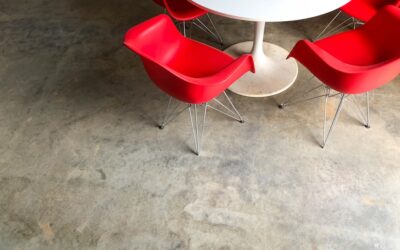
- Polished or stained concrete — the slab itself becomes the finished floor. $4-$10 per sq ft for sealing and finishing.
Skip solid hardwood, carpet over slabs without moisture barriers, and laminate flooring in basements entirely. Hardwood will warp from moisture migration; carpet pad becomes a mold reservoir; laminate’s HDF core swells from minor moisture intrusion.
Current Pricing in the Wichita Market
2026 flooring pricing in Wichita runs 15-25% below national averages due to lower labor costs and competitive contractor supply. Expected installed ranges:
- LVP budget tier: $3-$5 per sq ft (Lifeproof, Smartcore)
- LVP mid-range: $5-$8 per sq ft (COREtec Pro, Pergo Extreme)
- LVP premium: $8-$12 per sq ft (Karndean, COREtec Plus HD)
- Engineered hardwood: $7-$13 per sq ft
- Solid hardwood: $9-$15 per sq ft
- Porcelain tile installed: $8-$18 per sq ft
- Carpet with 8-pound pad: $3-$6 per sq ft
Add $1-$2.50 per sq ft for tear-out and disposal of existing flooring. Most Wichita installers include this in main bids — confirm itemization before signing.
Top Local Sources for Quality Material
Wichita has a strong mix of big-box outlets and family-owned local stores. Worth visiting for serious shoppers:
- Carpet Tree (Wichita) — established independent, strong on premium hardwood and carpet
- Flooring America Wichita — broad selection across categories with installer network
- Home Depot and Lowe’s (multiple locations) — convenient for entry to mid-range LVP and laminate
- Star Lumber and Supply — builder-focused but open to homeowners, competitive on solid hardwood
- Floor Trader of Wichita — warehouse-style pricing on closeouts and overstock
For premium product not stocked locally — wide-plank European oak, custom-finished hardwood — consider ordering through specialty stores in Kansas City (2.5 hours northeast) or directly through manufacturer dealer networks like Mannington and Mirage.
Kansas Contractor License Reality
Kansas does not require state-level licensing for flooring contractors, which means anyone with a truck and tools can take your money. This creates wide quality variation in the local market. Wichita does require a city business license but doesn’t verify trade competency. Verify any installer through:
- Better Business Bureau rating with 5+ years of business history
- Three references from completed jobs within the past 12 months
- General liability insurance certificate of $500,000 minimum (confirm with carrier)
- Workers’ compensation coverage if crew exceeds owner-operator alone
- Written contract with itemized pricing and warranty terms
The lack of state licensing makes references and online reviews more important than in licensed states. Avoid any contractor who can’t provide multiple recent verifiable references in your specific neighborhood or zip code.
Acclimation and Installation Timing
Acclimation is critical in Wichita’s variable climate. Hardwood and engineered products need 7-10 days in the install location at normal operating HVAC conditions. The extra days beyond standard 5-day recommendations matter because of the wide humidity swings Wichita homes experience.
Best installation timing is during transition seasons — late April through early June or mid-September through October — when indoor humidity stabilizes between heating and cooling system extremes. Avoid winter installation when homes run dry heat that pulls moisture from acclimating boards too fast, causing gaps after installation. Summer installation creates the opposite problem: high humidity during install followed by winter dry-out gaps.
Tornado Zone Considerations
Wichita sits in tornado alley, and severe weather events affect flooring choices in subtle ways. Homes with safe rooms or basements benefit from waterproof flooring in those spaces — survivors of severe storms often face days without power and potentially leaking roofs. LVP and porcelain tile handle these conditions vastly better than hardwood or carpet.
Insurance considerations matter too. Some Kansas insurance carriers cap water damage claims on luxury hardwood installations, requiring riders for full coverage. Verify with your agent before installing high-end engineered hardwood in finished basements or first-floor areas vulnerable to storm-related water intrusion. With proper product selection, qualified installation, and basic care, quality flooring in Wichita homes lasts 20-30 years across the climate extremes. The right choices up front pay dividends across decades of brutal Kansas weather.
Prefer to explore on your own?
See how new flooring looks in your actual room in seconds — free, no signup.
Try the free Floor Studio →