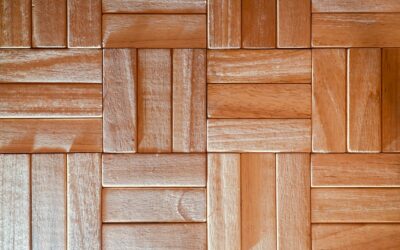
Foam tiles have become one of the most versatile and affordable flooring solutions for specific spaces in the home. From garage gyms and playrooms to workshop floors and trade show booths, interlocking foam tiles offer cushioning, insulation, and protection at a price point that is hard to beat. They install in minutes with no tools, adhesive, or professional help required.
This guide covers everything you need to know about foam tiles, including the different foam types, the best uses for each, how to choose the right thickness, top brands, pricing, and how to keep them clean.
What Are Foam Tiles?
Foam tiles are interlocking floor tiles made from closed-cell foam material. Each tile has puzzle-piece edges that fit together to create a continuous floor surface. Most tiles are square, typically 24×24 inches, though other sizes like 12×12 and 36×36 inches are available. They sit directly on the existing floor without adhesive, held in place by friction and the interlocking connections.
The foam provides cushioning for joints and feet, insulation against cold concrete or hard floors, noise reduction, and a protective surface for the subfloor beneath. Foam tiles are not permanent flooring. They are portable, reusable, and designed for functional applications rather than aesthetic ones.
EVA Foam vs. PE Foam
The two primary foam materials used for interlocking tiles are EVA (ethylene vinyl acetate) and PE (polyethylene). Understanding the difference helps you choose the right product for your application.
EVA Foam
EVA is the dominant material for quality foam tiles. It is a rubber-like material that is soft, flexible, and resilient. EVA foam bounces back after compression, which means it recovers its shape after you step off or remove heavy objects. It has excellent shock absorption, is waterproof, and is free from common allergens.
EVA foam tiles are available in a wide range of densities, from soft playroom tiles to firm, high-density gym tiles. The higher the density, the firmer the tile and the better it handles heavy loads without permanently compressing.
Pros: Excellent resilience, good shock absorption, waterproof, odor-free, wide range of densities and thicknesses.
Cons: More expensive than PE, can show indentation marks from heavy equipment if density is too low.
PE Foam
PE foam is a lighter, less dense material that is commonly used in budget foam tiles. It provides basic cushioning and insulation but has significantly less resilience than EVA. PE foam compresses more easily and does not bounce back as well, which means it wears out faster under regular use.
PE foam tiles are often found in very thin (1/4 inch) tile products sold at dollar stores and discount retailers. They work for temporary, light-duty applications but should not be relied on for gym flooring or any application involving heavy traffic or equipment.
Pros: Very affordable, lightweight, adequate for light-duty temporary use.
Cons: Poor resilience, compresses permanently under moderate loads, shorter lifespan, less shock absorption.
Which Should You Choose?
For any application that involves regular use, foot traffic, exercise, or equipment, choose EVA foam. For temporary setups, single-use events, or very light-duty applications, PE foam tiles can work on a tight budget. The price difference is significant but so is the performance gap.
Best Uses for Foam Tiles
Home Gyms
Foam tiles are the most popular flooring choice for home gyms and garage gyms. They protect the concrete or hardwood floor beneath, reduce noise from dropped weights, cushion joints during floor exercises, and provide a non-slip surface for workouts.
For home gyms, choose high-density EVA tiles at least 1/2 inch thick. For areas under heavy equipment like power racks, squat stands, and weight benches, 3/4-inch tiles or dedicated rubber flooring tiles offer better protection. Standard EVA foam tiles are adequate for bodyweight exercises, yoga, stretching, and light dumbbell work.
Children’s Playrooms
Foam tiles turn hard floors into safe, comfortable play surfaces for children. They cushion falls, insulate against cold floors, and come in bright colors, alphabet letters, numbers, and animal shapes that add a fun educational element to the space.
For playrooms, softer EVA tiles in the 3/8 to 1/2-inch range provide excellent cushioning for small children. Look for tiles that are formamide-free and meet safety standards for children’s products. Avoid tiles with small, removable puzzle pieces within the tile that could be a choking hazard for toddlers.
Garage Workshops
Standing on a concrete garage floor for extended periods causes fatigue and joint pain. Foam tiles provide anti-fatigue cushioning that makes hours of workshop time more comfortable. They also protect tools and parts that get dropped.
For garages, choose firm, high-density EVA tiles that can handle the weight of standing workbenches and tool chests without permanently compressing. Darker colors (black or dark gray) hide grease and oil stains better than light colors. Some foam tiles come with a textured top surface that provides better grip when the floor is dusty or slightly oily.
Trade Shows and Events
Foam tiles are widely used for trade show booth flooring. They make standing for 8 to 10 hours at a show significantly more comfortable, they install and disassemble quickly, and they transport easily. Many trade show tiles feature a carpet-top or wood-grain-print surface for a more professional appearance.
Basement Recreation Rooms
Basements with concrete floors are ideal candidates for foam tiles. The tiles insulate against the cold slab, provide cushioning for children and adults, and create a warmer, more inviting space. Unlike carpet, foam tiles do not trap moisture or promote mold growth, making them a practical choice for below-grade spaces where humidity can be a concern.
Martial Arts and Exercise Studios
Thick (3/4 inch to 1 inch) EVA foam tiles are used in martial arts studios, yoga spaces, and group fitness rooms. The dense foam provides enough cushioning for falls and ground work while remaining firm enough for stable footing during standing movements. Martial arts tiles are typically plain black or gray and have a smooth or lightly textured surface.
Choosing the Right Thickness
Foam tile thickness directly affects cushioning, durability, and the types of activities the floor can support.
1/4 Inch (6mm)
Very thin tiles for light-duty use only. Adequate as a basic floor protector or very temporary play surface. Not enough cushioning for exercise or extended standing.
3/8 Inch (10mm)
Entry-level thickness for playrooms and light home gym use. Provides noticeable cushioning and insulation. Works well for yoga, stretching, and light exercise.
1/2 Inch (12mm)
The most popular all-purpose thickness. Good cushioning for playrooms, home gyms, workshops, and general-purpose use. This is the sweet spot for most residential applications.
3/4 Inch (20mm)
Heavy-duty thickness for home gyms with free weights, martial arts training, and commercial fitness applications. Provides substantial shock absorption and floor protection. This is the standard thickness for martial arts and wrestling foam tiles.
1 Inch (25mm) and Above
Maximum cushioning for gymnastics, high-impact martial arts, and professional training facilities. These thick tiles are expensive and generally overkill for home use unless you have specific training requirements.
Top Foam Tile Brands in 2026
We Sell Mats
We Sell Mats is one of the largest and most popular foam tile brands in the United States. They offer a wide range of EVA foam tiles from 3/8 inch to 1 inch thick in numerous colors. Their products are well-reviewed for consistent quality, accurate interlocking fit, and good customer service. Pricing starts around $1.00 per square foot for standard tiles.
ProSource Fit
ProSource specializes in fitness-oriented foam tiles. Their 1/2-inch and 3/4-inch EVA tiles are popular for home gyms and martial arts spaces. They include edge strips for a finished border look. Priced at roughly $1.25 to $2.00 per square foot.
Stalwart
Stalwart foam tiles (sold on Amazon and Walmart) target the budget end of the EVA market. Their 24×24-inch tiles in 1/2-inch thickness are among the most affordable quality options. Good for playrooms and light gym use. Pricing starts around $0.80 per square foot.
IncStores
IncStores focuses on gym and workshop flooring and offers foam tiles alongside rubber tiles. Their premium 3/4-inch EVA tiles are dense enough for serious gym use and come in packs that cover common room sizes. Pricing runs $1.50 to $2.50 per square foot depending on thickness.
Norsk
Norsk specializes in garage and workshop foam tiles with reversible designs (often a solid color on one side and a textured or wood-grain pattern on the other). Their tiles are slightly thicker and denser than typical playroom tiles. Priced at $1.50 to $3.00 per square foot.
Pricing Guide for Foam Tiles
Foam tiles are among the most affordable flooring options available. Here are typical price ranges per square foot in 2026.
- Budget PE foam tiles (1/4 inch): $0.30 to $0.60 per square foot
- Standard EVA tiles (3/8 inch): $0.75 to $1.25 per square foot
- Standard EVA tiles (1/2 inch): $1.00 to $2.00 per square foot
- Heavy-duty EVA tiles (3/4 inch): $1.50 to $3.00 per square foot
- Premium EVA tiles (1 inch): $2.50 to $5.00 per square foot
- Specialty tiles (wood grain, carpet top): $2.00 to $4.00 per square foot
A typical 100-square-foot home gym installation using 1/2-inch EVA tiles costs $100 to $200. A 200-square-foot playroom with 3/8-inch tiles runs $150 to $250. These are material costs only, with no installation labor required.
How to Install Foam Tiles
Installation is the simplest of any flooring product. Here is the process.
- Clean the floor: Sweep and vacuum the existing floor. Foam tiles can go over concrete, hardwood, tile, vinyl, or any other hard, flat surface.
- Start in a corner: Begin with a tile that has two straight (non-interlocking) edges positioned in the corner of the room.
- Connect tiles: Press the puzzle edges of adjacent tiles together. They should fit snugly without forcing.
- Cut border tiles: Use a sharp utility knife and a straight edge to cut tiles to fit along walls and obstacles.
- Add edge strips: Many foam tile sets include straight-edge border strips that give the perimeter a finished look.
The entire process takes 15 to 30 minutes for a typical room. No adhesive, underlayment, or tools beyond a utility knife are needed.
Cleaning and Maintenance
Keeping foam tiles clean is straightforward but important, especially in playrooms where hygiene matters.
Regular Cleaning
- Sweep or vacuum regularly to remove dust and debris.
- Damp mop with warm water and a mild soap or all-purpose cleaner.
- For deeper cleaning, remove tiles and clean individually in a bathtub or with a garden hose. Let them air dry completely before reinstalling.
- Disinfect playroom tiles weekly using a solution of one part white vinegar to three parts water, or a non-bleach disinfectant spray.
Stain Removal
Most stains wipe off EVA foam easily since the material is non-porous. For stubborn marks, use a magic eraser sponge or a small amount of rubbing alcohol on a cloth. Avoid harsh chemical cleaners, acetone, or abrasive scrubbing pads, as these can damage the foam surface.
Wear and Replacement
Foam tiles do wear out over time, especially in high-traffic areas. The interlocking design makes replacement easy: simply pull out the worn tile and snap in a new one. Keeping a few spare tiles from the original purchase ensures a color match when replacements are needed.
Limitations of Foam Tiles
Foam tiles are fantastic for their intended uses but have real limitations.
- Not suitable as primary flooring: Foam tiles are not a replacement for permanent flooring in living spaces. They are a functional overlay for specific use areas.
- Indentation from heavy loads: Heavy furniture, equipment racks, and concentrated point loads can permanently indent foam tiles, especially thinner and lower-density products.
- Movement on smooth floors: On polished concrete or smooth tile, foam tiles can slide slightly over time. Anti-slip mats or double-sided tape under the perimeter tiles can prevent this.
- Color fading: Extended exposure to direct sunlight can fade foam tile colors over time. This is mainly a concern for tiles near windows or in sunrooms.
- Not for heavy weightlifting: Foam tiles cannot adequately protect a floor from dropped barbells or heavy deadlifts. For serious weight rooms, rubber flooring is the appropriate choice.
- Temperature sensitivity: Foam tiles can expand slightly in heat and contract in cold, causing gaps in winter and tightness in summer. Allow a small gap at the room perimeter during installation.
Foam Tiles vs. Other Options
How do foam tiles compare to alternative flooring solutions for the same spaces?
Foam Tiles vs. Rubber Tiles
Rubber tiles are denser, heavier, and more durable. They handle heavy weights and equipment better and last longer. But they cost 2 to 5 times more and are harder to install and cut. Foam tiles are the better choice for playrooms, bodyweight exercise, and light gym use. Rubber tiles are better for serious weight rooms and commercial gyms.
Foam Tiles vs. Carpet Tiles
Carpet tiles provide warmth and comfort but trap dust, allergens, and moisture. Foam tiles are waterproof, hypoallergenic, and easier to clean. For children’s play areas where hygiene is important, foam wins. For a finished basement recreation room where aesthetics matter, carpet tiles may look better.
Foam Tiles vs. Rolled Rubber
Rolled rubber is the go-to for large commercial gym floors. It creates a seamless surface with no interlocking joints to separate. But it requires adhesive or heavy-duty tape, is much heavier to work with, and costs more. Foam tiles are the easier, more affordable choice for home use.
Final Thoughts
Foam tiles solve a very specific set of flooring problems extremely well. They turn a cold, hard concrete floor into a comfortable gym. They create safe play surfaces for children. They make standing in a workshop for hours manageable. And they do all of this at a fraction of the cost of permanent flooring solutions with essentially zero installation difficulty.
Choose EVA over PE, match the thickness to your activity level, buy from a reputable brand, and keep a few spares for eventual replacements. For spaces where foam tiles are the right fit, there is genuinely nothing simpler or more cost-effective on the market.
Prefer to explore on your own?
See how new flooring looks in your actual room in seconds — free, no signup.
Try the free Floor Studio →