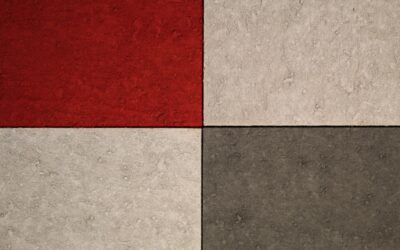
Natural, durable, and quietly making a comeback, Forbo linoleum flooring is the floor a lot of eco-minded homeowners land on once they learn what real linoleum actually is. Forbo is the company behind Marmoleum, the best-known brand of natural linoleum on the market, and its products are made from renewable raw materials rather than the vinyl many people confuse with linoleum. This guide explains how Forbo linoleum is made, where it works best, what it costs, and how to keep it looking good for decades.
- What Is Forbo Linoleum?
- Forbo Linoleum Product Formats
- Pros of Forbo Linoleum Flooring
- Cons to Consider
- What Does Forbo Linoleum Cost?
- Colors and Design Options
- Caring for Forbo Linoleum Flooring
- Linoleum Versus Vinyl: Why the Difference Matters
- Environmental Credentials of Forbo Linoleum
- Installation Tips Worth Knowing
- Common Questions About Forbo Linoleum
- Is Forbo Linoleum Right for You?
What Is Forbo Linoleum?
True linoleum is not vinyl. It is made primarily from linseed oil, pine rosin, wood flour, cork dust, limestone, and natural pigments pressed onto a jute backing. Forbo’s Marmoleum is the flagship expression of this recipe, and it is genuinely a natural product. That distinction matters because a lot of shoppers use linoleum and vinyl interchangeably, but they behave very differently. Linoleum is biodegradable, tends to be more rigid, and develops a subtle patina over time as the linseed oil continues to cure. Vinyl, by contrast, is a synthetic plastic. If sustainability and natural materials are a priority for you, this is the core reason to look at Forbo.
Forbo Linoleum Product Formats
Forbo sells linoleum in several formats so you can match installation style to your skill level and room.
- Sheet linoleum: Wide rolls glued down for a seamless, water-resistant surface, popular in kitchens and healthcare settings.
- Click-together tiles and planks: A floating format with a rigid core that snaps together, making it far more DIY-friendly.
- Tiles for glue-down: Individual squares for custom patterns and inlaid designs.
The click products opened linoleum up to homeowners who did not want to hire an installer, which was historically the biggest barrier since sheet linoleum is genuinely tricky to fit and seal well.
Pros of Forbo Linoleum Flooring
There is a reason architects and designers keep specifying this material.
- Natural and renewable: Made from plant-based and mineral ingredients, and biodegradable at the end of its life.
- Long lifespan: Well-maintained linoleum routinely lasts 25 to 40 years, outliving most vinyl.
- Color runs all the way through: Because pigment is integral, scratches and wear are far less visible than on a printed vinyl wear layer.
- Warm and quiet underfoot: It has a slight give and natural insulating quality that hard tile lacks.
- Naturally antimicrobial: The linseed oil chemistry inhibits many microbes, which is why hospitals favor it.
Cons to Consider
Linoleum is not a fit for every room or every homeowner.
- Moisture sensitivity: Standing water and high humidity can damage linoleum and its jute backing, so it is a poor choice for bathrooms with heavy water exposure or below-grade areas prone to flooding.
- Needs periodic sealing: Some finishes require occasional resealing to maintain water resistance.
- Initial ambering: A yellowish film from the linseed oil can appear when boxes are first opened, but it fades with light exposure.
- Professional install for sheet: Sheet goods really do benefit from an experienced installer, adding to cost.
What Does Forbo Linoleum Cost?
Linoleum sits in the mid-range for resilient flooring. Here are realistic material budgets before labor.
- Sheet linoleum: Roughly $3 to $6 per square foot for material.
- Click tiles and planks: Approximately $4 to $8 per square foot.
- Installation: Professional glue-down sheet installation often adds $3 to $6 per square foot given the skill involved; click products can be DIY.
For a 150-square-foot kitchen, plan on several hundred dollars in material plus installation if you hire a pro. Over a 30-year lifespan, the cost per year is very competitive.
Colors and Design Options
One of Forbo’s strengths is color. Marmoleum comes in a large palette, from bold saturated hues to subtle marbled neutrals that read almost like natural stone. The marbled effect is created by blending pigments during manufacturing, so no two areas look mechanically identical, giving floors an organic, handcrafted quality. Designers use tile formats to create borders, inlays, and geometric patterns that would be impossible with printed vinyl. If you want a floor with genuine character rather than a repeating photographic pattern, this is where linoleum pulls ahead.
Caring for Forbo Linoleum Flooring
Maintenance is simple but specific. Sweep or vacuum regularly to keep grit from abrading the surface. Damp mop with a pH-neutral cleaner made for linoleum, and wring the mop nearly dry, since excess water is the enemy of the jute backing. Avoid harsh alkaline cleaners and abrasive scrubbers, which can dull the finish. Wipe spills promptly and place mats at entrances to trap dirt. Depending on the finish, you may occasionally apply a manufacturer-approved sealer or polish to refresh protection. Furniture pads prevent indentations, especially under heavy pieces.
Linoleum Versus Vinyl: Why the Difference Matters
Because so many shoppers confuse the two, it is worth spelling out how Forbo linoleum differs from the vinyl it is often mistaken for. Vinyl is a petroleum-based plastic; linoleum is a natural composite of linseed oil, wood flour, cork, rosin, and limestone. That distinction drives almost every practical difference between them. Vinyl is fully waterproof and cheaper, but it is synthetic and its printed pattern sits on a wear layer that can eventually rub through. Linoleum is more sustainable and its color runs through the material, so surface wear barely shows, but it is more moisture-sensitive and needs more careful maintenance. If your priority is a bulletproof waterproof floor for a wet bathroom, vinyl wins. If you want a natural, long-lived, character-rich floor for living spaces, linoleum is the better match.
Environmental Credentials of Forbo Linoleum
Sustainability is a genuine selling point rather than marketing spin. Forbo’s Marmoleum is made largely from rapidly renewable and abundant natural raw materials, and the finished product is biodegradable at the end of its long service life. Because a well-maintained linoleum floor can last several decades, the environmental cost is spread across many years of use, lowering its lifetime footprint compared with floors that need replacing more often. For homeowners pursuing greener renovations or seeking materials with strong indoor-air and low-emission profiles, natural linoleum is one of the more responsible resilient flooring choices on the market, which is a big part of why it keeps appearing in schools, hospitals, and eco-minded homes.
Installation Tips Worth Knowing
A few practical notes make for a smoother project.
- Acclimate the material: Let boxes or rolls adjust to the room’s temperature and humidity before installing.
- Prep the subfloor: Linoleum needs a clean, dry, smooth, and level base; imperfections telegraph through.
- Consider click for DIY: If you are installing it yourself, the click format is far more forgiving than glued sheet.
- Expect initial ambering: Do not panic at the yellow film on fresh material; it fades with light.
- Seal seams properly: On sheet installations, correctly sealed seams are essential for moisture protection.
Common Questions About Forbo Linoleum
A few questions come up again and again when homeowners consider this material. Is it truly natural? Yes, genuine linoleum like Marmoleum is made from renewable and mineral raw materials, unlike synthetic vinyl. Does it last? Properly maintained, it routinely serves 25 to 40 years, which is exceptional for a resilient floor. Is it hard to keep clean? Not at all, though it prefers pH-neutral cleaners and dislikes standing water, so a damp mop rather than a wet one is the rule. Can you install it yourself? The click formats are quite DIY-friendly, while glued sheet goods really do reward professional installation. Answering these honestly usually confirms whether linoleum suits your priorities and your rooms.
Is Forbo Linoleum Right for You?
If you value natural materials, a decades-long lifespan, and a floor whose color hides wear rather than showing it, Forbo linoleum flooring deserves a serious look. It rewards homeowners who will maintain it properly and who install it in appropriate rooms, kitchens, entryways, hallways, and living spaces rather than water-soaked bathrooms. The upfront cost lands above cheap vinyl but the sustainability story, durability, and design flexibility justify it for many buyers. Order samples, confirm the format that matches your DIY comfort level, and you may find that this century-old material is exactly the modern, responsible floor your home has been waiting for.
Prefer to explore on your own?
See how new flooring looks in your actual room in seconds — free, no signup.
Try the free Floor Studio →