
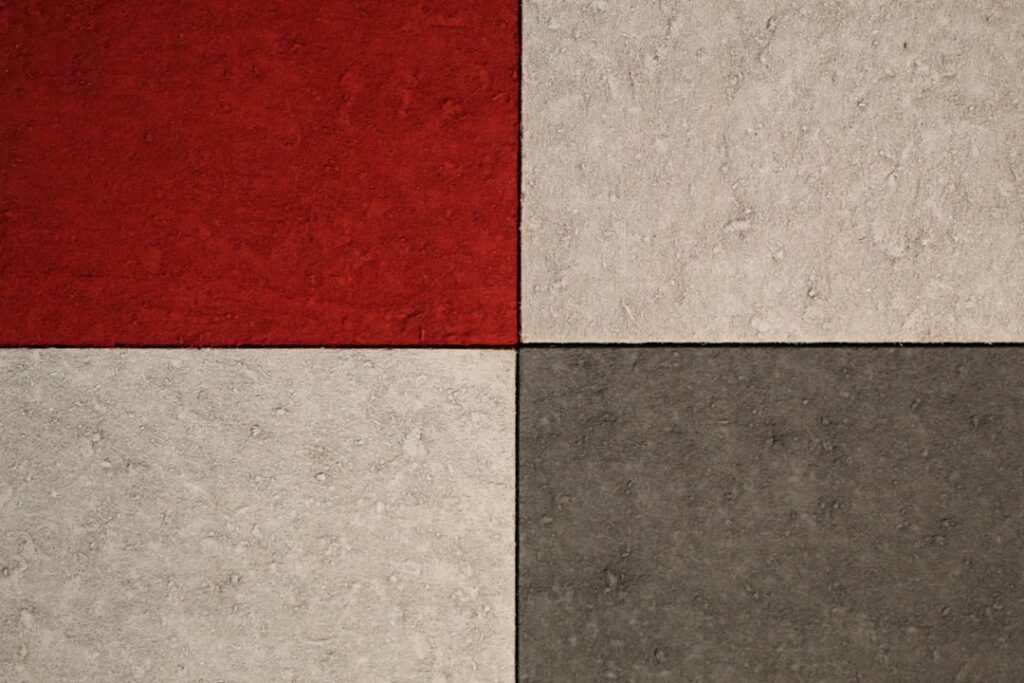
Linoleum is enjoying a quiet comeback, and homeowners who want to buy linoleum are often surprised to learn it’s a natural, eco-friendly material rather than a synthetic one. Made from linseed oil, cork dust, wood flour, and pine resin pressed onto a jute backing, genuine linoleum is durable, biodegradable, and warm underfoot. This guide explains what to look for, how it differs from vinyl, the formats and costs involved, and how to choose a linoleum floor that lasts for decades.
If you value sustainability and longevity, linoleum deserves a serious look.
Linoleum vs Vinyl: Know the Difference
People often confuse the two, but they’re fundamentally different products. Linoleum is made from natural, renewable ingredients and carries its color throughout the material, so wear doesn’t expose a different layer. Vinyl is a petroleum-based plastic with a printed design layer on top.
The practical upshot: linoleum is more eco-friendly and can last 25 to 40 years, while vinyl is typically more waterproof and lower-maintenance. Choose based on your priorities for sustainability versus moisture resistance.
Formats: Sheet vs Tile vs Plank
Linoleum comes in several formats, each with its own strengths:
- Sheet linoleum: wide rolls that minimize seams, ideal for kitchens and high-moisture rooms, but harder to install yourself.
- Linoleum tiles: squares that are easier to handle and replace if one gets damaged.
- Click-lock planks: modern floating-floor versions that snap together for DIY-friendly installation.
For a homeowner installing it themselves, click-lock planks or tiles are far more forgiving than glue-down sheet goods.
What to Look for When Buying
Quality varies, so check these details before you commit:
- Thickness: 2.0 to 2.5 mm for residential use, thicker for commercial traffic.
- Backing: jute or other natural backing on genuine linoleum.
- Finish: a factory-applied protective coating reduces maintenance and yellowing.
- Certifications: look for low-VOC and eco-labels that confirm healthy indoor air.
Cost of Linoleum
Linoleum sits in the mid-range for flooring. Expect these general figures:
- Material only: $2 to $5 per square foot
- Professional installation: $2 to $5 per square foot in labor, more for sheet goods
- Installed total: roughly $4 to $9 per square foot
Its long lifespan makes the cost-per-year very competitive with cheaper floors that need replacing sooner.
Color and Design Options
One pleasant surprise for shoppers is the range of looks modern linoleum offers. Far from the dated patterns of decades past, today’s linoleum comes in solid colors, marbled and speckled effects, and even wood- and stone-look planks. Because the color runs through the entire material, the design stays vivid as the floor wears, unlike printed vinyl that can rub through to a different layer. Bold solid colors work well in playrooms and creative spaces, while subtle marbled neutrals suit kitchens and hallways. The through-body color also means small scratches and scuffs are far less noticeable than on floors with a printed surface.
Environmental Benefits in Detail
For eco-conscious homeowners, linoleum’s green credentials are a major draw. It’s manufactured from rapidly renewable raw materials, including linseed oil from flax, wood flour, cork dust, and pine resin, all pressed onto a natural jute backing. At the end of its long life, genuine linoleum is biodegradable, unlike petroleum-based vinyl that lingers in landfills. Many products also carry low-VOC certifications, contributing to healthier indoor air, and linoleum’s natural antimicrobial properties make it a favorite in homes with allergy or asthma concerns. If sustainability ranks high on your list, few flooring materials match linoleum’s combination of natural ingredients, longevity, and recyclability.
Pros and Cons
The advantages are compelling: it’s natural and biodegradable, color runs through the material so scratches are less visible, it resists wear for decades, and it feels warm and slightly cushioned underfoot. Antimicrobial properties also make it popular in homes with allergy concerns.
On the downside, linoleum needs periodic resealing, can yellow if a protective finish isn’t maintained, and is sensitive to standing water at seams. It also dents under heavy point loads more than tile.
Maintenance Basics
Care is straightforward. Sweep or vacuum regularly, damp-mop with a pH-neutral cleaner, and wipe spills promptly. Avoid harsh alkaline cleaners and excessive water. Depending on the product, you may need to apply a fresh protective sealer every few years to keep the surface looking new and prevent yellowing.
Best Rooms for Linoleum
Linoleum’s natural warmth and durability make it a strong fit for certain spaces, though it’s not ideal everywhere:
- Kitchens: warm underfoot and resilient, a classic linoleum stronghold; wipe spills promptly.
- Hallways and entries: stands up to traffic and hides wear well thanks to through-color.
- Kids’ rooms and playrooms: antimicrobial, slightly cushioned, and easy to clean.
- Home offices and dens: quiet and comfortable for long hours on your feet.
Avoid linoleum in full bathrooms and below-grade basements, where standing water and humidity can damage seams and the jute backing over time. For those wet spaces, tile or vinyl is the safer choice.
Installation Considerations
How linoleum installs depends on the format you buy. Sheet linoleum is glued down and seamed by a professional, since handling large rolls and getting tight seams right takes experience. Tiles are glued individually, which is more forgiving for a DIYer. Click-lock planks float over the subfloor and are the most beginner-friendly option. Whatever the format, the subfloor must be clean, dry, and smooth, because linoleum telegraphs imperfections beneath it. Let the material acclimate in the room for 24 to 48 hours before installing so it adjusts to your home’s temperature and humidity.
Where to Buy and Final Tips
You’ll find linoleum at flooring showrooms, specialty eco-flooring retailers, and online suppliers. Order samples before committing, and buy 10 percent extra for cuts and future repairs. Confirm whether the price includes the protective finish, and ask about installation requirements for your chosen format. If sustainability, durability, and a warm natural feel top your list, buying linoleum is a smart, long-term investment that will serve your home for decades.
When comparing products, verify that what you’re buying is genuine linoleum and not vinyl marketed under a similar name, since the two are often confused. Ask about the warranty, the recommended maintenance schedule, and whether the finish needs periodic resealing. With its renewable ingredients, through-body color, and lifespan that can stretch past three decades, linoleum delivers some of the lowest cost-per-year of any flooring once you account for how long it lasts. For the right home, it’s a choice you won’t have to revisit for a very long time.


