A freestanding tub is the centerpiece of a luxury bathroom, but the showroom rarely warns you that the most beautiful soaker can leave a 6-foot-tall homeowner with cold shoulders and bent knees. Getting the free standing tub sizes right means matching the tub’s length, depth, and water capacity to both your body and your bathroom’s footprint. Buy too big and your floor may need reinforcing; buy too small and you never get the deep soak you paid for. This guide breaks down every dimension that matters.
Standard Length Ranges
Freestanding tubs span a wide range of lengths, and the right one depends on your bathroom size and your height. Most models fall between 54 and 72 inches long.
- Compact (54 to 59 inches): fits small or guest bathrooms; suits shorter bathers
- Standard (60 to 66 inches): the most common range, comfortable for average adults
- Large (67 to 72 inches): generous soaking room, ideal for taller users or two people
The 60-inch tub is the everyday default because it mirrors the length of a standard alcove tub while delivering the freestanding look. If you are over 6 feet tall, jump to 66 inches or more so you can stretch out fully.
Width and Depth Matter Too
Length gets the attention, but width and depth shape the actual soaking experience. Widths typically run 27 to 32 inches at the exterior, with the interior bathing well narrower. A wider tub feels more relaxing but eats floor space and weighs more when full.
Depth is where freestanding tubs shine. Standard soaking depth runs 15 to 19 inches of usable water, deeper than the 12 inches typical of alcove tubs. For a true shoulder-deep soak, look for tubs with a water depth of 17 inches or more, often marketed as deep soaking tubs.
Matching Tub Size to Your Bathroom
Before falling for a particular model, measure your space and account for clearance. The free standing tub sizes you can realistically install depend on the open floor area, not just the tub footprint. Plan for at least 4 to 6 inches of clearance around the tub for cleaning, and more if a faucet stands beside it.
A useful guideline: a freestanding tub needs roughly 6 by 6 feet of open floor area to look and function well, including walking space. Cram a big tub into a tight room and it feels crowded rather than spa-like. In a small bathroom, a 54- to 59-inch tub preserves breathing room.
Tub Shapes and How They Affect Size
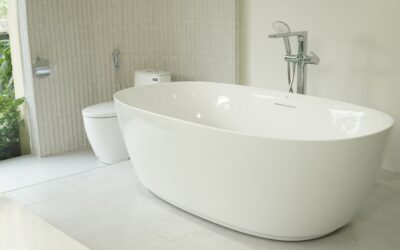
Shape changes how a given length feels and fits. Oval and egg-shaped tubs use space efficiently and suit most layouts. Rectangular tubs offer a modern look and often more interior room. Slipper tubs, with one raised end, provide a comfortable backrest but add length.
- Oval: classic, space-efficient, fits centered or against a wall
- Rectangular: contemporary, maximizes interior bathing area
- Slipper and double-slipper: raised end(s) for reclining; needs more length
- Round: dramatic but space-hungry; best for large bathrooms
Weight and Floor Considerations
Size drives weight, and weight drives whether your floor can handle it. An empty acrylic freestanding tub weighs 60 to 120 pounds, but fill it with water and add a bather and you can reach 500 to 900 pounds concentrated in one spot. Cast iron and stone resin tubs are far heavier empty, sometimes 300 to 500 pounds before water.
For larger or heavier tubs, especially on upper floors, have a contractor confirm the floor joists can bear the load. Reinforcement is occasionally needed for big cast iron or solid stone models. Acrylic tubs are the lightest and the safest bet for second-floor installs.
Water Capacity and Your Water Heater
A bigger tub needs more hot water, and this catches buyers off guard. A standard 60-inch soaking tub holds roughly 40 to 60 gallons to a comfortable level, while large deep soakers can demand 70 gallons or more. If your water heater is a standard 40- or 50-gallon tank, a big tub may drain it before the tub is full.
Before committing to an oversized soaker, check your water heater capacity. You may need to upsize the tank or add a tankless unit to enjoy a full, hot bath without running cold partway through.
Choosing the Right Size for You
Pull it all together by prioritizing comfort and fit over pure aesthetics. Measure your bathroom, leave clearance, confirm your floor and water heater can handle the choice, and sit in display models if you can. The right tub lets you submerge to the shoulders with your legs comfortably extended.
For most homeowners, a 60- to 66-inch oval or rectangular acrylic tub with at least 16 inches of water depth hits the sweet spot of comfort, fit, and manageable weight. Get those dimensions right and your freestanding tub delivers the relaxing soak that made you want one in the first place.
Plumbing and Faucet Placement
Tub size directly affects how you plumb the fixture, a detail easily forgotten until installation day. Freestanding tubs use either a floor-mounted faucet that rises beside the tub or a wall-mounted faucet, and the choice changes your rough-in plumbing entirely. A floor-mounted filler needs supply lines run through the floor at a precise location, so you must finalize the tub’s position before the plumber roughs in.
Larger tubs also place the drain differently. Most freestanding models drain through the floor directly beneath the tub rather than to a wall, so confirm your drain rough-in matches the tub’s drain location, typically centered or at one end. Getting the tub on site and dry-fitting it before final plumbing prevents the costly mistake of a faucet or drain that lands in the wrong spot.
Material Choices and How They Affect Size
The material you pick interacts with size in practical ways. Acrylic and fiberglass are lightweight, letting you choose larger dimensions without overloading the floor, and they retain heat reasonably well for a long soak. Cast iron and stone resin feel luxurious and hold heat beautifully, but their weight caps how large a tub your floor can safely carry.
- Acrylic: light, affordable, available in the widest size range
- Stone resin: heavy, excellent heat retention, premium feel
- Cast iron: heaviest, extremely durable, may need floor reinforcement at larger sizes
- Copper: striking and warm to the touch, mid-weight, higher cost
For a large soaker on an upper floor, acrylic keeps weight manageable. Reserve heavy cast iron and stone for ground-floor installs or where a contractor has confirmed the framing can bear it.