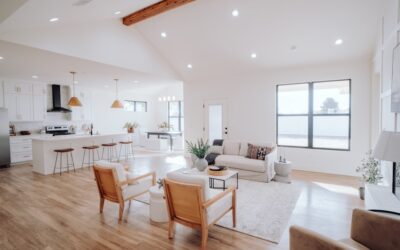
The fastest way to spot a French country home is not a rooster figurine. It is the mix of rough and refined: a weathered oak table under a crystal chandelier, linen slipcovers beside a carved armchair. French country interior design blends farmhouse practicality with a little old-world polish, using soft colors, natural materials and furniture that looks collected over generations rather than bought in one weekend.
To bring the style into a whole house, start with a warm neutral palette, add worn wood and stone, then layer textiles like toile, ticking stripes and plain linen. Curved furniture legs, wrought iron and aged brass finish the look. Modern French country interior design keeps the same bones but trims the ornament and uses lighter walls for a cleaner feel.
- French Country Interior Design: Core Elements
- Tools and Materials to Gather
- Choosing a French Country Color Palette
- Step-by-Step: Bringing French Country Style Into Your Home
- French Country Ideas Room by Room
- Modern French Country vs. Rustic French Country
- Caring for French Country Finishes
- Troubleshooting the French Country Look
- General Cost Ranges
- When to Call a Professional
- Frequently Asked Questions
The style is forgiving because imperfection is part of the charm. Scratches, chipped paint and mismatched chairs all fit, which makes it a practical choice for busy households.
French Country Interior Design: Core Elements
Every French country room draws from the same short list of ingredients. Getting a few of them right matters more than including all of them.
- Soft, sun-faded colors: cream, warm white, butter yellow, sage, lavender, pale blue and terracotta
- Natural materials: oak, walnut, limestone, terracotta tile, linen, cotton and wool
- Distressed finishes: chalky painted furniture, limed wood, aged metal
- Classic patterns: toile de Jouy, gingham, ticking stripes and small florals
- Curved, carved furniture: cabriole legs, cane backs, scrolled arms
- Old-world details: exposed beams, stone accents, wrought iron and antique mirrors
The balance is roughly two parts rustic to one part elegant. Too much polish reads as formal; too much rustic reads as plain farmhouse.
Tools and Materials to Gather
Many French country updates are paint, fabric and furniture projects you can handle yourself. Useful supplies include:
- Chalk-style or mineral paint and a soft wax or matte topcoat for furniture
- Fine sanding sponges (120 and 220 grit) for distressing edges
- Limewash or a warm white wall paint with a soft matte finish
- Linen or cotton fabric for curtains, slipcovers and pillow covers
- Painter’s tape, drop cloths, brushes and a roller
- Stud finder and heavy-duty anchors for mirrors and iron fixtures
- Furniture wax and steel wool for refreshing antiques
If you plan to sand old painted furniture, keep in mind that pieces painted before 1978 may contain lead. Use a lead test kit before sanding and choose wet methods or simply paint over sound old finishes if the test is positive.
Choosing a French Country Color Palette
Start with walls in warm, slightly aged whites or creamy plaster tones. A limewash or matte finish adds the cloudy depth of old plaster without a full plaster job. Ceilings can match the walls or go one shade lighter.
Layer in two or three accent colors drawn from the countryside: muted blue, soft sage, faded yellow or lavender. Use them on painted furniture, kitchen cabinets, upholstery and textiles rather than every wall. Terracotta and warm wood tones ground the palette.
For modern French country decor, shift toward crisp white walls, more black iron and fewer pastels. Keep pattern to pillows and one rug so the look stays light.
Step-by-Step: Bringing French Country Style Into Your Home
- Edit the room first. Remove high-gloss, ultra-modern pieces that fight the style, such as lacquer furniture or chrome-heavy accessories.
- Paint walls a warm neutral. Patch, prime if needed, and apply two coats of matte or eggshell. Try limewash on one wall to test the effect.
- Anchor with wood. Add or refinish one substantial wood piece per room: a farmhouse table, an armoire or a carved bed frame.
- Distress one painted piece. Paint a dresser or side table, let it dry, then lightly sand edges and corners where natural wear would occur. Seal with wax.
- Layer textiles. Hang full-length linen curtains, add toile or ticking stripe pillows and drape a knitted or quilted throw.
- Add iron and brass. Swap a builder-grade light for a wrought iron or candle-style chandelier, and change cabinet knobs to aged brass or iron.
- Hang a large mirror. A gilded or weathered wood mirror over a mantel or console bounces light and adds old-world character.
- Finish with greenery. Potted herbs, olive trees, lavender bundles and fresh flowers in pitchers or crocks bring the countryside indoors.
French Country Ideas Room by Room
Living Room
Choose a slipcovered sofa in natural linen and pair it with one or two upholstered bergère-style armchairs. A distressed coffee table, a vintage wool rug and a stone or painted fireplace surround complete the space. Stack books and baskets rather than glossy decor objects.
Kitchen and Dining
Painted cabinets in cream, sage or soft blue, open shelving with stoneware, and a farmhouse sink set the tone. A long wood dining table with mismatched or cane-back chairs feels authentic. Hang copper pots or a pot rack if you cook often. Terracotta or wood flooring suits the look.
Bedroom
French country bedroom decor centers on the bed. Look for an upholstered headboard, a carved wood frame or an iron bed. Layer white sheets, a toile duvet or quilted coverlet and a few pillows in muted stripes. Add a skirted vanity or a painted armoire for storage.
Bathroom
A clawfoot or freestanding tub, a vanity built from an old dresser, a framed mirror with an aged finish and simple linen towels go a long way. Small hexagon or tumbled stone tile adds texture underfoot.
Entry and Hallways
A painted console, a gilded mirror, a stone crock for umbrellas and a runner rug create a welcoming first impression. Wall sconces with fabric shades add warm light.
Modern French Country vs. Rustic French Country
Rustic French country decor leans heavily into rough-hewn beams, heavy distressing, terracotta floors and plenty of pattern. It suits older homes and open kitchens with a farmhouse feel.
Modern French country interior design keeps the curved silhouettes and natural fabrics but strips back pattern, uses brighter whites and adds black metal or clean-lined lighting. It fits newer homes and smaller spaces where too much ornament would feel crowded. Many homeowners mix the two: modern walls and lighting with a few rustic antiques as accents.
Caring for French Country Finishes
Natural materials age, and that is part of the appeal, but a little maintenance keeps them looking intentional rather than neglected. Rewax chalk-painted furniture once or twice a year on high-touch surfaces such as tabletops and drawer fronts. Wash linen slipcovers in cool water and line dry or tumble on low to limit shrinkage; slight wrinkles suit the style. Oiled wood floors and tables benefit from a fresh coat of hardwood oil every year or two in busy areas.
Terracotta and tumbled stone floors should be sealed after installation and resealed every few years so they resist stains. Clean them with a pH-neutral cleaner, since acidic products can etch stone. Wrought iron fixtures only need a dry dusting, while aged brass can be left to develop its warm patina.
Troubleshooting the French Country Look
- The room feels cluttered. Reduce small accessories and keep pattern to two or three items. The style relies on collected pieces, not crowded surfaces.
- It looks too farmhouse. Add refined touches: a crystal or iron chandelier, a gilded mirror or a carved chair.
- It looks too formal. Slipcover upholstery in washed linen and swap shiny finishes for matte or aged ones.
- Distressing looks fake. Sand only where hands and feet naturally wear: edges, corners, around handles. Avoid uniform scuffs everywhere.
- Colors clash. Pick one accent family, such as blue and cream, and repeat it in at least three places so the room feels cohesive.
General Cost Ranges
A paint and textile refresh in one room can stay in the low hundreds of dollars if you do the work yourself. Refinishing thrifted furniture costs little beyond paint and sanding supplies. New solid wood tables, armoires and upholstered seating can run from several hundred to a few thousand dollars per piece. Larger upgrades such as adding faux beams, stone veneer or new flooring typically run into the thousands depending on room size and materials.
When to Call a Professional
Hire help for structural work like exposing or adding real ceiling beams, installing natural stone flooring, or hanging very heavy chandeliers that need a properly rated ceiling box. Any new light fixtures, wiring or added outlets belong to a licensed electrician. For homes built before 1978, consider a certified lead-safe contractor before sanding old woodwork or trim. A designer or color consultant can help if you are mixing several rooms into one open plan.
Frequently Asked Questions
What is the difference between French country and farmhouse style?
Both are rustic and comfortable, but French country adds refined details like curved furniture, gilded mirrors, toile fabrics and crystal or iron chandeliers. Farmhouse style is plainer, with more shiplap, galvanized metal and straight lines.
How do I make modern French country decor work in a new home?
Keep walls bright white or soft cream, choose a few curved or cane-back furniture pieces, use linen textiles and add black iron lighting. A single antique or vintage mirror gives new construction instant character.
What flooring suits French country interior design?
Wide-plank oak with a matte or oiled finish, terracotta tile, tumbled stone and wood-look luxury vinyl plank in warm tones all work well. Avoid high-gloss finishes that look too new.
Which colors are typical for a French country bedroom?
Creamy whites, soft blue, lavender, sage and pale yellow are classic. Pair them with natural linen bedding and wood or iron furniture.
Do I need antiques to get the French country look?
No. Thrifted or new furniture with curved legs, painted finishes and natural fabrics captures the style. One or two genuine vintage pieces add authenticity but are not required.