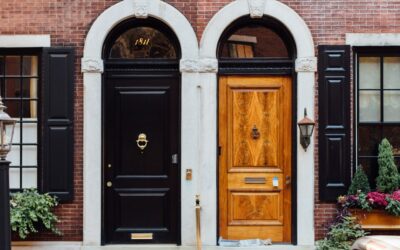
Nothing signals craftsmanship at a home’s entrance like a slab of solid timber with visible grain and real heft. Choosing among front doors hardwood options means weighing beauty, durability, and the honest maintenance a natural material demands. Having hung and finished entry doors for years, I can tell you a well-built wood door rewards care and punishes neglect, so this guide covers species, comparisons, finishing, and the true cost of ownership.
Part of our Windows & Doors guide — explore the full guide →
A wood entry door is a statement piece, but it is also a working part of your building envelope. Get the material, finish, and weather detailing right and it will greet visitors for 30 years or more.
Why Choose a Solid Wood Entry Door
Wood offers a warmth and dimensional presence that molded doors only imitate. You can plane, sand, restain, and refinish real timber, which means a scratched or sun-faded door can be renewed rather than replaced. The mass also dampens sound and, in thicker slabs, adds a reassuring solidity when the door swings shut.
That authenticity comes with responsibility. Wood moves with humidity and degrades under relentless sun and rain if left unprotected. The owners who love their doors are the ones who accept a refinishing rhythm rather than expecting the maintenance-free life a synthetic door promises.
There is also a comfort and value angle worth naming. A thick hardwood slab feels substantial in the hand and lends a home a sense of permanence that buyers notice. Real estate agents routinely cite an upgraded wood entry as a curb-appeal feature that pays back at resale, which softens the sting of the higher price when you view the door as an investment rather than a commodity.
Popular Hardwood Species
Species choice drives appearance, stability, and price more than any other decision. These are the woods I specify most often.
Mahogany
The premium standard for entry doors. Genuine mahogany resists rot, stays dimensionally stable through humidity swings, and takes a rich reddish-brown finish. It is expensive but arguably the best all-around exterior hardwood.
Oak
Red and white oak are hard, strong, and widely available. White oak brings better moisture resistance thanks to its closed grain, making it the smarter pick for an exposed entry. Oak’s prominent grain reads as traditional and substantial.
Walnut
Prized for deep, chocolate tones and a luxurious look. Walnut is stable and machines cleanly, though it commands a high price and its darker color absorbs more solar heat on sun-drenched exposures.
Alder and Knotty Pine
Alder offers a softer, more affordable hardwood with a smooth finish, while knotty alder and knotty pine deliver a rustic, character-filled look for craftsman and lodge styles. Both are softer than oak or mahogany, so they dent more easily and suit lower-traffic or covered entries.
Hardwood vs. Fiberglass vs. Steel
Understanding the alternatives sharpens the wood decision.
- Fiberglass mimics wood grain, resists dents and rot, insulates well, and needs little upkeep. It cannot match the depth of real timber and cannot be planed to refit a settling frame.
- Steel is the security and budget champion, strong and affordable, but it dents permanently, can rust at scratches, and conducts heat and cold readily.
- Hardwood wins on authentic beauty, repairability, and prestige while asking for the most maintenance and the highest price on premium species.
If curb appeal and character top your list and you accept upkeep, wood is unmatched. If you want to install and forget, fiberglass is the pragmatic runner-up.
Finishing Your Hardwood Door
The finish is the difference between a door that ages gracefully and one that grays and cracks. You have two paths.
A penetrating exterior oil or marine spar varnish shows off the grain and is easy to refresh, but it demands recoating every one to three years on sun-exposed doors. Exterior polyurethane and paint build a thicker protective film that lasts longer, though paint hides the very grain you paid for. Whatever you choose, seal all six sides, including the top and bottom edges, before hanging. Unsealed edges wick moisture and are the number one cause of warping and rot.
Weather Sealing and Exposure
No wood door survives a fully exposed, south- or west-facing wall without help. An overhang, portico, or storm door dramatically extends finish life by cutting direct sun and driving rain. Pair the slab with quality weatherstripping and a solid door sweep to block drafts and water intrusion at the sill.
Watch the finish for early warning signs. Chalking, dullness, or hairline cracks mean the protective layer is thinning. Recoating at that stage is a light scuff-and-refresh; waiting until bare wood shows means a full strip and rebuild.
Cost Expectations
Wood entry doors span a wide range depending on species, size, and glass.
- Alder or pine slab: $600 to $1,500 for the door alone.
- Oak entry door: $1,200 to $3,000.
- Mahogany or walnut: $2,000 to $6,000, more with sidelights or decorative glass.
- Professional installation: $400 to $1,000 on top, higher if the frame or jamb needs rework.
Custom sizes, arched tops, and leaded glass push costs well beyond these ranges. Factor in finishing materials too if you buy an unfinished slab.
Remember to budget the surrounding hardware and detailing, which is easy to underestimate. A quality lockset, deadbolt, hinges, and a smart lock can add $200 to $600. If your rough opening is out of square or the existing jamb is rotted, a carpenter may need to rebuild the frame, threshold, and sill before the new slab hangs true. On older homes especially, that hidden prep work sometimes rivals the cost of the door itself, so have an installer inspect the opening before you order.
Construction: Solid vs. Engineered Cores
Not every wood door is a single slab of lumber. True solid-wood doors are built from thick stiles and rails with solid panels, and they carry the mass and repairability you expect from the material. Engineered wood doors use a stable core, often laminated staves or an insulated composite, wrapped in a real hardwood veneer or thicker skin. They resist warping better because the core moves less with humidity, and they insulate more efficiently than a solid slab.
For a fully exposed opening in a humid climate, an engineered core with a genuine hardwood face can actually outperform a solid slab on stability while still looking authentic. Ask the manufacturer exactly how the door is built, because “wood door” covers everything from a stave-core beauty to a hollow builder-grade unit you do not want at your entry.
Panels, Glass, and Style
Panel layout and glass drive the look as much as species. Raised-panel doors read traditional, flush slabs read modern, and craftsman styles pair a plank face with a band of dentil or glass at the top. Any glass you add is a thermal weak point, so specify insulated, tempered units and expect to pay for them. More glass also means more frame exposed to sun and water, which raises the maintenance you signed up for.
Maintenance Routine
Keeping a wood door healthy is straightforward if you stay ahead of wear. Wash the surface a couple of times a year with mild soap and water to clear grime that traps moisture. Inspect the finish each spring and fall, touch up nicks promptly, and recoat before the film fails. Keep the weatherstripping supple and the sweep intact so water never pools at the bottom rail.
Handled this way, front doors hardwood construction easily outlives cheaper synthetic doors while looking better the whole time. Neglect the schedule, though, and even premium mahogany will cup, check, and disappoint. The material is only as good as the owner behind it, so commit to the rhythm before you commit to the timber. Do that, and your entry becomes a lasting first impression rather than a recurring repair project.
Prefer to explore on your own?
See how new flooring looks in your actual room in seconds — free, no signup.
Try the free Floor Studio →