
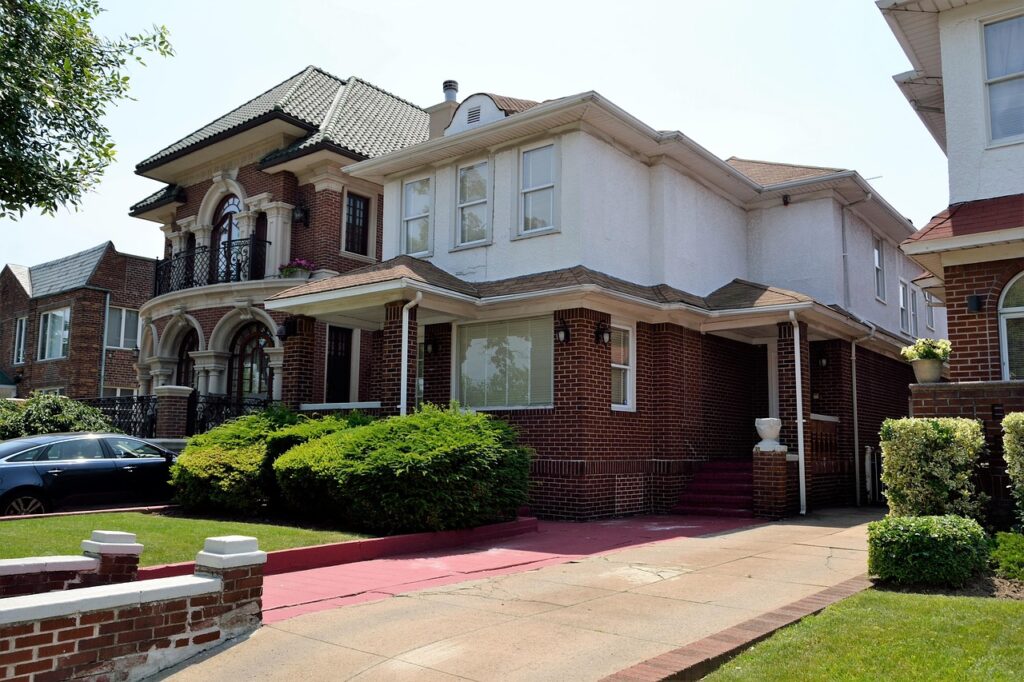
Great front porch ideas for houses start with understanding your home’s architecture and working with it rather than against it. A well-designed porch adds 5-7% to your home’s resale value according to the National Association of Realtors, while creating a welcoming transition zone between the outdoors and your living space. Whether you are building new or refreshing an existing porch, the right combination of materials, furniture, and details makes all the difference.
Match the Porch to Your Home Style
Craftsman homes look best with tapered columns on stone or brick piers, deep overhangs, and exposed rafter tails. Colonial and traditional homes call for symmetrical layouts with round or square white columns and a simple railing. Farmhouse porches run wide and deep — 8-12 feet is ideal — with turned spindle railings and board ceilings painted haint blue.
Modern and contemporary homes benefit from clean-lined porches with steel cable railings, concrete or composite decking, and minimal ornamentation. Ranch-style homes often suit a modest covered entry with a low-pitched roof extension rather than a full wraparound. Forcing a Victorian-style porch onto a mid-century ranch looks as awkward as it sounds — let the architecture guide your decisions.
Flooring Materials That Last
Porch flooring takes a beating from foot traffic, weather, and UV exposure. Tongue-and-groove fir or Douglas fir planks ($4-$8 per square foot) are the traditional choice, though they require staining or painting every 2-3 years. Ipe and mahogany hardwoods ($8-$15 per square foot) last 25-40 years with minimal maintenance.
Composite decking from Trex, TimberTech, or Azek ($6-$12 per square foot) eliminates painting entirely. These products resist rot, insects, and fading with a 25-50 year warranty. Stamped concrete ($8-$18 per square foot installed) offers a low-maintenance alternative that can mimic stone, brick, or slate patterns. For budget-conscious projects, painted concrete ($1-$3 per square foot for paint and sealer) provides a clean look at the lowest cost.
Column and Railing Designs
Columns define porch character more than any other single element. Fiberglass columns ($200-$800 each) replicate the look of wood without the rot risk. Aluminum wrap-around columns ($150-$400) cover existing structural posts with a finished exterior. Real wood columns ($300-$1,200) offer authenticity but require regular maintenance.
Railing styles range from simple square balusters ($15-$30 per linear foot) to ornate turned spindles ($25-$50 per linear foot). Cable railings ($40-$60 per linear foot) suit modern homes and preserve sightlines. Vinyl railings ($20-$35 per linear foot) never need painting. Building codes require railings on porches 30 inches or more above grade, with balusters spaced no more than 4 inches apart.
Furniture and Layout
Anchor your porch with a focal seating piece — a porch swing, a pair of rockers, or a small settee. Porch swings hung from ceiling hooks ($150-$500 for quality hardwood models) create the quintessential welcoming gesture. Position seating to face outward toward the street for an inviting look, or angle it for conversation.
Scale furniture to your porch depth. A 4-foot-deep porch accommodates chairs but not a dining set. At 6-8 feet deep, you gain room for a bistro table or side tables. Porches 10 feet or deeper support full outdoor living room arrangements. Weather-resistant materials — teak, HDPE (like Polywood), powder-coated aluminum — survive seasons without covers. Avoid indoor furniture on covered porches; humidity alone destroys upholstered pieces within a single season.
Lighting That Sets the Mood
Layer your porch lighting for both function and ambiance. A statement pendant or lantern centered over the seating area provides primary illumination. Flanking sconces beside the front door add warmth and symmetry — mount them at 66 inches from the floor with fixtures scaled to one-third the door height.
String lights ($15-$40 for commercial-grade LED strands) draped along the ceiling beams create casual evening atmosphere. Solar-powered step lights ($20-$50 for a set of 4) improve safety on porch stairs while adding a subtle glow. Smart bulbs or fixtures that adjust color temperature from 2700K to 4000K let you shift from warm evening light to bright daylight illumination depending on the activity.
Seasonal Decor Strategies
Planters flanking the front door are the easiest seasonal refresh. Use 14-18 inch pots with seasonal flowers — pansies and tulips in spring, petunias and geraniums in summer, mums and ornamental kale in fall. Evergreen topiaries or boxwoods provide year-round structure between seasonal plantings.
Window boxes ($30-$80 each) mounted below porch windows or along the railing add color at eye level. Coordinate planter colors with your door or trim paint for a pulled-together look. A natural fiber doormat ($20-$40) layered over a larger outdoor rug ($50-$150) creates a welcoming landing pad. Swap doormats seasonally — it is a small detail that signals a cared-for home.
Budgeting Your Porch Project
Building a new 200-square-foot covered porch costs $10,000-$30,000 depending on materials and complexity. Refreshing an existing porch — new paint, updated railings, lighting, and furniture — runs $1,500-$5,000. Here are some of the best front porch ideas for houses on a tight budget: repaint the floor and ceiling ($200-$400), add a porch swing ($150-$300), update light fixtures ($100-$300), and install house numbers in a modern font ($20-$50).
Prioritize structural repairs over cosmetic upgrades. Rotting floor boards, sagging beams, and crumbling foundation piers need attention before new paint and furniture. A solid, well-maintained porch with simple furnishings always looks better than a decorated porch with visible deterioration. Invest in the bones first, then layer on the personality.


