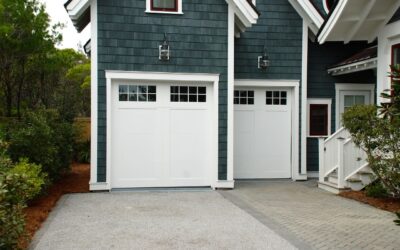
Garage door window inserts are the decorative window panels that fit into the top row of a garage door, letting in natural light and dramatically boosting curb appeal. Whether you are dressing up a plain new door or refreshing an older one, the right inserts can transform a blank slab into a design feature that ties into your home’s architecture. They come in a huge range of styles, from classic colonial grids to sleek frosted contemporary designs.
Part of our Garage Doors guide — explore the full guide →
This guide covers insert styles, glass and privacy options, sizing, installation, and how to choose inserts that complement your home.
- What Window Inserts Do
- Popular Insert Styles
- Glass and Privacy Options
- Sizing and Compatibility
- Installation Basics
- How Inserts Affect Energy and Insulation
- Cost of Garage Door Window Inserts
- Security and Safety Considerations
- Maintenance and Durability
- Matching Inserts to Your Home's Style
- Faux vs Real Window Inserts
- Choosing the Right Inserts
What Window Inserts Do
Inserts serve both looks and function. Aesthetically, they break up a large expanse of door and echo the windows on your home, creating visual harmony. Functionally, they bring daylight into an otherwise dark garage, which is a real benefit if you use the space as a workshop, gym, or hangout. Because the garage door often dominates a home’s front elevation, inserts can be one of the highest-impact exterior upgrades for the money.
- Add natural light to the garage interior.
- Enhance curb appeal and complement home windows.
- Available in styles for traditional, modern, and carriage-house doors.
- Can be added to many existing doors, not just new ones.
Popular Insert Styles
Design patterns range widely, so you can match nearly any home style.
- Colonial/grid: divided panes for a classic, traditional look.
- Cathedral/arched: curved top mullions that add elegance.
- Sunburst/sunray: radiating spokes for a decorative statement.
- Contemporary/clear: minimal or frameless panes for modern doors.
- Carriage-house: designs that mimic old swing-out barn doors.
Match the mullion pattern to your home’s existing windows for a cohesive result, or go frameless for a clean, modern facade.
Glass and Privacy Options
Beyond the frame pattern, the glass itself offers choices that balance light and privacy. Clear glass maximizes daylight but lets people see in, while obscured and textured glass admits light while blocking the view.
- Clear: the most light, the least privacy.
- Frosted or obscure: soft light with strong privacy.
- Seeded or rain glass: textured looks that diffuse the view.
- Tinted: reduces glare and adds a contemporary edge.
- Insulated/dual-pane: better energy performance for conditioned garages.
If your garage faces the street or a neighbor, obscured glass keeps the interior private while still brightening the space.
Sizing and Compatibility
Inserts are made to fit the window openings in specific garage-door models, so matching the brand and design line matters. Standard inserts fit common openings, but the frame and clip system varies by manufacturer. If you are adding inserts to a door that never had windows, confirm the door has, or can accept, cutouts and that the panels are rated for that section.
- Match inserts to your door’s brand and window opening size.
- Confirm the clip or frame system is compatible.
- For window-less doors, verify cutouts can be added safely.
Installation Basics
Many window inserts are designed for straightforward DIY installation, snapping or clipping into the door’s window frames from the inside without special tools. Typical steps include removing the retainer frame, seating the decorative insert against the glass or opening, and reattaching the frame to lock it in place. Adding windows to a solid door is a bigger job requiring cutting the panels, and is best left to a professional to preserve the door’s integrity.
Basic snap-in installation usually goes like this:
- Remove the interior retainer ring or frame.
- Place the decorative insert into the opening.
- Reattach the retainer to secure the insert.
- Repeat across the top row for a uniform look.
How Inserts Affect Energy and Insulation
Adding windows to a garage door changes its thermal performance, which matters if your garage is heated, air-conditioned, or attached to living space. Single-pane decorative inserts admit light but offer little insulation, while dual-pane insulated glass inserts help hold temperature and reduce condensation. If you use the garage as a workshop or gym year-round, spending more on insulated glass pays off in comfort and lower energy loss.
Placement matters too. Because inserts sit in the top row of panels, they are above head height and away from the coldest floor zone, so their impact on comfort is modest but real. For a fully conditioned garage, pair insulated inserts with a well-insulated door for the best result.
Cost of Garage Door Window Inserts
Insert pricing spans a wide range depending on material, glass, and design complexity. Simple snap-in decorative inserts for an existing windowed door are the most affordable option, while adding brand-new window openings to a solid door, plus the glass and inserts, costs considerably more because it involves cutting the panels and professional labor.
- Decorative snap-in inserts for existing openings: the lowest cost, often DIY.
- Insulated or specialty glass: a moderate step up in price.
- Adding new window cutouts: the highest cost, professional work.
Even at the higher end, inserts remain far cheaper than replacing the entire door, which is what makes them such a popular value upgrade.
Security and Safety Considerations
Some homeowners worry that windows compromise garage security by letting intruders see inside or offering a break-in point. Choosing obscured or frosted glass addresses the visibility concern by blocking the view of tools and vehicles. Placing windows only in the top row, well above reach from the ground, also limits access. Impact-resistant glass options add another layer of security and are worth considering in storm-prone regions where wind-borne debris is a risk.
Maintenance and Durability
Modern inserts are typically made of durable, weather-resistant materials that resist yellowing and cracking. Clean the glass and frames periodically with mild soap and water, and inspect the seals to keep out drafts and moisture. Quality inserts hold their appearance for many years with minimal care.
Matching Inserts to Your Home’s Style
The most successful insert choices reinforce the architecture of the house rather than clashing with it. For a traditional colonial or Cape Cod, grid-pattern inserts that echo the divided-light windows on the home tie everything together. Craftsman and bungalow homes suit simpler, sturdier mullion patterns. Modern and contemporary houses look best with clean, frameless or minimally divided glass, sometimes frosted for privacy. Farmhouse and carriage-style homes are natural partners for carriage-house door designs with decorative inserts that mimic old barn doors. Walk to the curb and study your home’s windows and trim, then choose an insert pattern that repeats those lines for a cohesive, custom result.
- Colonial and traditional: grid or divided-light patterns.
- Modern: clear or frosted frameless glass.
- Farmhouse and carriage: decorative carriage-house designs.
Faux vs Real Window Inserts
Not every “window” on a garage door is actually glass. Manufacturers offer both real glass inserts and faux decorative inserts that mimic the look of windows on the exterior without an opening in the door. Faux inserts, sometimes called applied or overlay hardware, snap onto a solid panel to create the appearance of a windowed carriage door while maintaining full insulation, privacy, and security. They cost less than cutting real openings and are a smart choice when you want the carriage-house look without sacrificing an insulated, solid door. Real glass inserts, by contrast, admit genuine daylight into the garage. Decide first whether letting in light matters to you, if it does, choose real glass; if you only want the exterior look, faux inserts deliver it more affordably.
- Real glass: admits daylight, adds curb appeal, slight energy trade-off.
- Faux/overlay inserts: the look only, keeping the door solid and insulated.
Choosing the Right Inserts
Start by looking at your home’s front windows and overall style, then pick a pattern that echoes them. Consider how much privacy you want and how much light the garage needs, then choose glass to match. Finally, confirm compatibility with your specific door before buying.
With the right pattern, glass, and fit, garage door window inserts deliver an affordable, high-impact upgrade that brightens the garage and lifts your home’s entire curb appeal. For many homeowners, it is one of the easiest ways to make a plain door look custom.